
Gumbo done right sits at the edge of a careful balance, and file powder is often what tips it. Added at the very end, off the heat, it thickens the pot and leaves a faint earthy, sassafras-like note that nothing else quite copies exactly.
Finding the right file powder substitute means deciding what you're replacing first: the body, the herb finish, or both.
Some swaps handle texture beautifully but add no flavor. Others cover the seasoning side but leave your gumbo thin.
The good news is that pairing a starch with a savory powder gets you surprisingly close, and the five options below make that easy.
File powder works as both a finishing thickener and a mild herbal seasoning. For texture, arrowroot powder or cornstarch are the most reliable swaps. For the herbal note, celery powder adds a savory lift. Xanthan gum gives fast viscosity in tiny amounts. Add all of these near the end, gently.
Best File Powder Substitutes (Quick Reference)
Each option below is mapped to what it does best, when to add it, and where to start with amounts. Ratios here are starting points.
Taste and adjust as you go.
| # | Substitute | Best For | Ratio | Key Note |
|---|---|---|---|---|
| 1 | Arrowroot Powder | Texture + Finish | 1:1 | Add off heat or gentle simmer |
| 2 | Cornstarch | Texture | ¾:1 | Use a slurry, stir continuously |
| 3 | Xanthan Gum | Viscosity | ⅛:1 | Tiny amount, stir aggressively |
| 4 | Celery Powder | Flavor Lift | ½:1 | Pair with a starch for body |
| 5 | Tapioca Starch | Texture | 1:1 | Gentle heat only, don't overcook |
5 File Powder Substitutes Ranked by What They Replace
1. Arrowroot Powder
Arrowroot powder is the closest thing to file's end-of-pot behavior. It thickens smoothly at gentle heat and leaves a cleaner, more delicate finish than cornstarch. It works best when stirred in during the last few minutes, or just off the heat entirely.
This one is for cooks who want a silky result without starchy heaviness. If your gumbo already has a roux for body, arrowroot is all you need for the finishing touch.
Use powder-based thickening options if arrowroot isn't in your pantry either.
- Start ratio: 1:1 with the file powder called for
- Timing: Add in the final 2-3 minutes; stir and keep heat low
- Texture result: Smooth and delicate, no starchy aftertaste
- Skip if: You need aggressive thickening for a thin, roux-light base; you may need more than a 1:1 swap
2. Cornstarch
Cornstarch is the most reliable pantry swap when you need consistent body and aren't worried about a slightly more assertive thickening effect. It sets firmer than arrowroot. The main risk is lumps, and the main fix is a slurry.
Slurry Method (Recommended)
Works for: smooth, lump-free results when stirred into 2 tablespoon cool water first, then added gradually to a gentle simmer
Skip if: you can't stir continuously for the first 60-90 seconds after adding
Direct Sprinkle (Higher Risk)
Works for: very quick finishing when liquid is already moving and you stir immediately
Skip if: heat is high or liquid is still, as lumps form fast and don't dissolve easily
If you want to swap past cornstarch as well, arrowroot and potato starch are the next logical steps.
- Start ratio: Use ¾ teaspoon cornstarch for every 1 teaspoon file powder called for
- Mix method: Always make a slurry with cool water before adding
- Heat level: Gentle simmer only; hard boiling causes breakdown
- Skip if: You need to add it fast and can't stir right away
3. Xanthan Gum
A little xanthan gum goes a long way. Where file powder thickens by the teaspoon, xanthan gum creates immediate viscosity in fractions of that amount.
It mimics the "body" of file more than its flavor, and this long-lasting pantry powder is worth keeping on hand for situations exactly like this.
The key is dispersion. Sprinkle it in slowly while stirring, not all at once.
- Start ratio: ⅛ teaspoon xanthan gum per 1 teaspoon file powder; increase only if needed
- Mix method: Sprinkle over liquid surface, stir aggressively for 30-45 seconds
- Timing: Add at a gentle simmer; no hard boil needed and no extended cooking required
- Skip if: You want a classic matte gumbo texture; xanthan can produce a slightly glossy, gel-like finish that some cooks find off-putting
For more on gum-based swap options, that page covers alternatives if you run out.
4. Celery Powder
Celery powder is not a thickener. It is a flavor bridge. File powder does two jobs at once, and this is the substitute that covers the second one: the faintly bitter, herbal, savory note that seasons a finished gumbo. This subtly sharp seasoning pairs naturally with the other vegetables already in the pot.
- Start ratio: ½ teaspoon celery powder per 1 teaspoon file powder called for
- Pair with: Any starch on this list for body; celery powder adds zero thickening
- Timing: Stir in at the end, same as file; taste before adding more
- Skip if: File is your only thickener and you haven't paired it with a starch; the gumbo will stay thin
If celery powder isn't available, picking a closer seasoning match can fill that gap.
5. Tapioca Starch
Tapioca starch is the neutral option when arrowroot and cornstarch are both out of reach. It thickens smoothly, but the mouthfeel is slightly more elastic than file's silky finish. Keep the heat low and pull the pot before the starch has time to turn the gumbo rubbery.
The tapioca versus xanthan tradeoff comes down to mouthfeel: tapioca has more chew, xanthan has more gel.
- Start ratio: 1:1 with file powder amount; reduce if the gumbo starts to feel elastic
- Timing: Add in the last 3-4 minutes at a gentle simmer; stir well and taste
- Heat rule: Never boil hard after adding; overcooking breaks the texture and can make it stringy
- Skip if: You want the silkiest possible gumbo finish; arrowroot is the better pick in that case
Making Your File Powder Substitute Work (End-Thickening Tips)
The timing is what most home cooks miss. File powder is added after the heat is off or turned very low, and every substitute on this list behaves best under the same conditions.
Add any of these too early, or over hard-boiling liquid, and you'll get a gummy, broken, or starchy result instead of a smooth finish.
For the cleanest texture, premix your starch with a small amount of cold water before it goes near the pot. Starches clump when they hit hot liquid dry.
Stir for a full minute after adding, then give the gumbo 90 seconds to settle before you taste and decide if it needs more.
- Premix step: Combine arrowroot, cornstarch, or tapioca starch with 1-2 tablespoon cold water before adding to any hot liquid
- Add-and-stir window: Reduce heat to a bare simmer, pour the slurry in slowly, and stir continuously for 60-90 seconds
- Final check: Stop heat before the pot thickens too far; the gumbo will continue to set slightly as it rests
Frequently Asked Questions
Yes, but use ¾ teaspoon cornstarch per 1 teaspoon file and always make a slurry first. Cornstarch won't add file's herbal note, so pair it with a pinch of celery powder if that matters to you.
Start at a 1:1 ratio and stir it in off the heat or at a very gentle simmer. Arrowroot thickens quickly, so add it gradually and stop once you reach your target texture.
Xanthan gum works at a gentle simmer. Keep heat low, sprinkle it in slowly, and stir hard for 30-45 seconds to avoid clumping.
Celery powder is the most practical flavor bridge, covering the earthy, savory note file leaves behind. It won't be identical, but it's the closest pantry option for seasoning alone.
Add a small splash of warm stock or water and stir over low heat until it loosens. Add liquid in small amounts so you don't overshoot in the opposite direction.
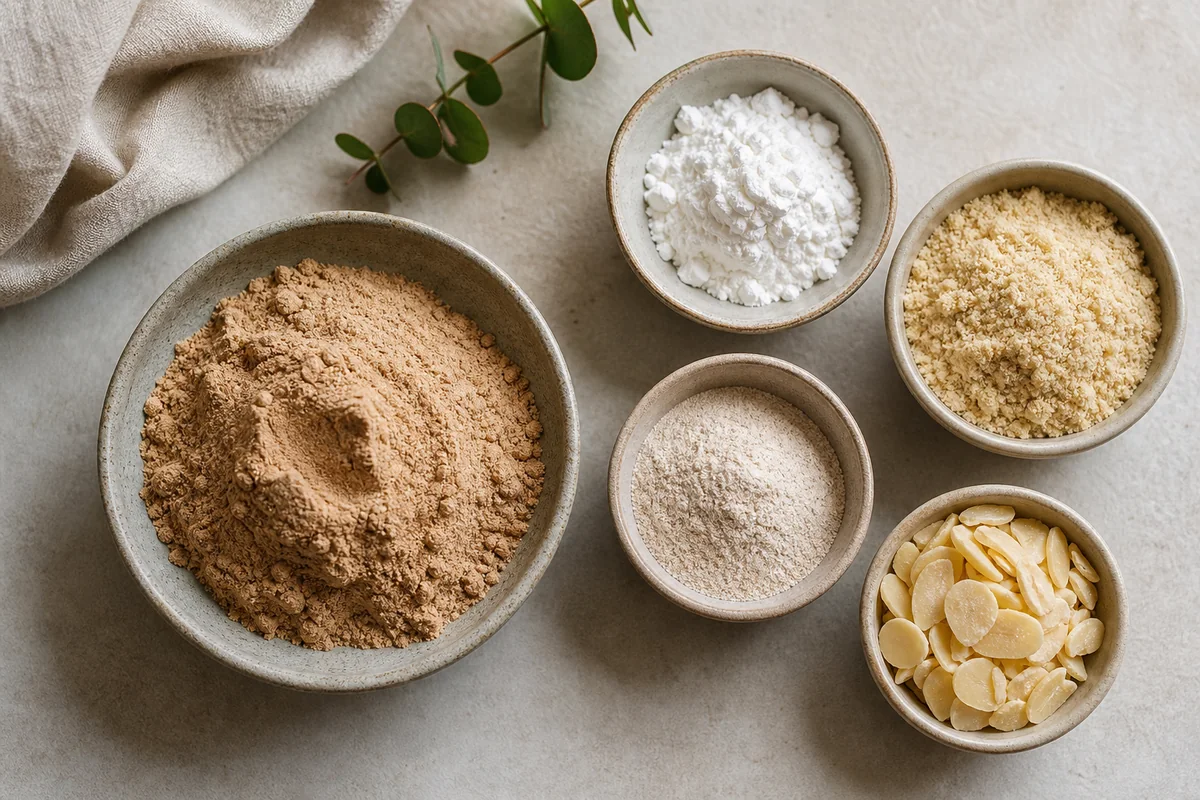
5 Best File Powder Substitutes (Honest Picks)
Ingredients
Equipment
Method
- Decide how you’re using file powder: final thickening/finishing (add near the end) or earlier simmering (choose a substitute that can tolerate gentle heat).
- Pick the substitute by goal: arrowroot for silky end-thickening, cornstarch slurry for reliable body, xanthan for tiny-amount viscosity, or celery powder if you mainly need herbal lift.
- Use the listed ratio first; then adjust in small increments after stirring thoroughly (especially with xanthan or cornstarch).
- For end-thickening, keep heat gentle and avoid hard boiling—thicken slowly, then stop once you reach your gumbo texture.
- Taste and balance: if the swap adds less herbal flavor than file, add a small pinch of celery powder (or a compatible savory herb note).
Notes
- File powder is used as a finishing thickener in gumbo—so substitutes that can stay smooth at low heat usually perform best.
- If your substitute is starch-based, slurry it when using cornstarch to prevent lumps.
Tried this recipe?
Let us know how it was!
Carrie is a food writer and editor with more than 15 years of experience. She has worked for some of the biggest names in the food industry, including Bon Appétit, Food & Wine, and Martha Stewart Living.
As the Editor in Chief of EpicureDelight, Carrie oversees all of the content on the site. She also manages the team of contributing writers and editors, who help to create delicious recipes, helpful tips, and informative articles that you’ll find on the site.
A native of the Chicago area, Carrie is passionate about all things food. She loves trying new restaurants and experimenting with new recipes in her kitchen. She’s also a graduate of the Culinary Institute of America, so she knows a thing or two about food!



