The best malt vinegar substitute is apple cider vinegar for most cooking because it brings similar acidity with a mild brown-fruit flavor. Use it 1:1 in dressings, marinades, pan sauces, and recipes where tang matters more than malted barley flavor.
No substitute copies malt vinegar exactly when it is the main condiment. The right choice is to match acid first, then choose the flavor and color that cause the least trouble in the dish.

The best malt vinegar substitute gives tang without turning the dish sweet or harsh. Apple cider vinegar is the easiest all-purpose swap, while white wine or red wine vinegar fits sharper savory uses.
Which Malt Vinegar Substitute Fits the Dish?
| # | Substitute | Ratio | Best Use | Where It Fails |
|---|---|---|---|---|
| 1 | Apple Cider Vinegar | 1:1 | Dressings, sauces, marinades | Less grain flavor |
| 2 | White Wine Vinegar | 1:1 | Light dressings, pickles, pan sauces | Cleaner and sharper |
| 3 | Rice Vinegar | 1:1, then taste | Mild sauces, slaws, quick pickles | Too soft for fries |
| 4 | Lemon Juice | 1:1, added late | Seafood, fresh dressings, bright sauces | No fermented depth |
| 5 | Red Wine Vinegar | 1:1 | Beef, gravy, dark marinades | Changes pale color |
Malt vinegar is brewed from malted barley, so it tastes deeper and toastier than plain white vinegar. That grain note matters most when the vinegar is splashed straight onto fries or fish.
In cooked sauces, dressings, marinades, and slaws, acidity usually does more work than the barley flavor. That makes a 1:1 swap practical when the substitute's color and sweetness fit the dish.
Choose by the dish, not by the bottle that sounds closest. A pale cabbage slaw needs a different replacement than a beef marinade.
If your problem is broader than malt vinegar, our safe vinegar branch guide gives the wider acid map. This page stays focused on malt vinegar's grainy condiment job.
Also think about whether the vinegar is cooked or raw. Heat softens sharpness and fruit notes, while a raw splash on finished food makes every aroma more obvious.
1. Apple Cider Vinegar
Apple cider vinegar is the best first choice because it has a warm fruit note instead of the flat sharpness of plain white vinegar. Use 1 tablespoon apple cider vinegar for every 1 tablespoon malt vinegar.
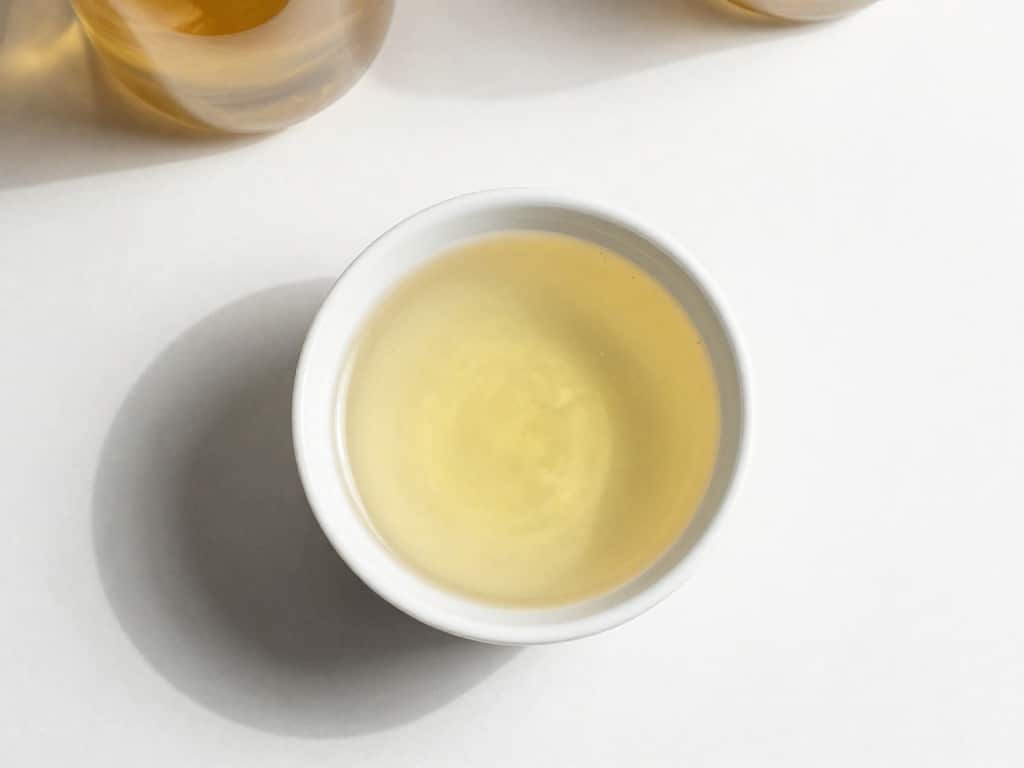
Its apple flavor fades in cooked sauces but stays clear in raw dressings. That makes it useful in slaws, chutney-style sauces, marinades, and pan sauces.
It is less convincing as a direct fries condiment because it lacks the toasted barley finish. If apple cider vinegar is the bottle you are missing, the apple-cider acidity swap works the problem from the other direction.
For a sharper chip-shop style splash, start with slightly less apple cider vinegar than the recipe calls for. You can add more at the table, but you cannot remove the fruit note once it coats the food.
2. White Wine Vinegar
White wine vinegar works when the recipe needs acidity without dark color. Use it 1:1, then soften sharpness with a small pinch of sugar only if the dish tastes too hard.
It is cleaner than malt vinegar, so it fits vinaigrettes, pickled shallots, pan sauces, and light marinades. It does not add barley flavor, but it keeps the acid balance steady.
White wine vinegar keeps pale, delicate, or herb-heavy food clean in color. It does not supply malt vinegar's toasted finish.
If the recipe also calls for wine, taste before adding the full vinegar amount. The balance is similar to choosing risotto wine backup, where acidity and aroma both matter.
3. Rice Vinegar
Rice vinegar is milder than malt vinegar. Start with a 1:1 swap, then add a small splash more only if the dish tastes flat.
Use unseasoned rice vinegar when possible. Seasoned rice vinegar can contain sugar and salt, which can make slaw, pickles, or dipping sauce sweeter than planned.
Rice vinegar works well in noodle salads, cucumber salads, quick pickles, and mild sauces. It is too soft for a bold fries-and-vinegar hit.
If the dish still needs a deeper savory note, fix that separately. A salty fermented choice belongs closer to salty umami backups than to another mild vinegar.
Rice vinegar is useful when the dish already has soy sauce, sesame oil, ginger, or chili. In those dishes, malt vinegar's barley note would not be the main flavor anyway.
4. Lemon Juice
Lemon juice gives brightness instead of vinegar depth. Use it 1:1 in fresh dressings or seafood dishes, and add it near the end of cooking so the flavor stays clear.
This is the best choice for fish, creamy sauces, and recipes where a fermented vinegar note would feel heavy. It is not the right choice for classic malt vinegar flavor on chips.
- Add half first. Lemon can taste sharper than expected.
- Wait 2 minutes. Let the acid spread through the dish.
- Taste before adding more. Stop when the food tastes bright.
- Correct harshness carefully. Use a small pinch of sugar only when needed.
- Keep it out of untested canning recipes. Fresh lemon acidity varies.
Lemon changes aroma more than apple cider vinegar does. Use it when fresh citrus already makes sense in the dish.
5. Red Wine Vinegar
Red wine vinegar is the best swap for dark, savory dishes. Use it 1:1 in beef marinades, onion gravies, tomato sauces, and roasted vegetable dressings.
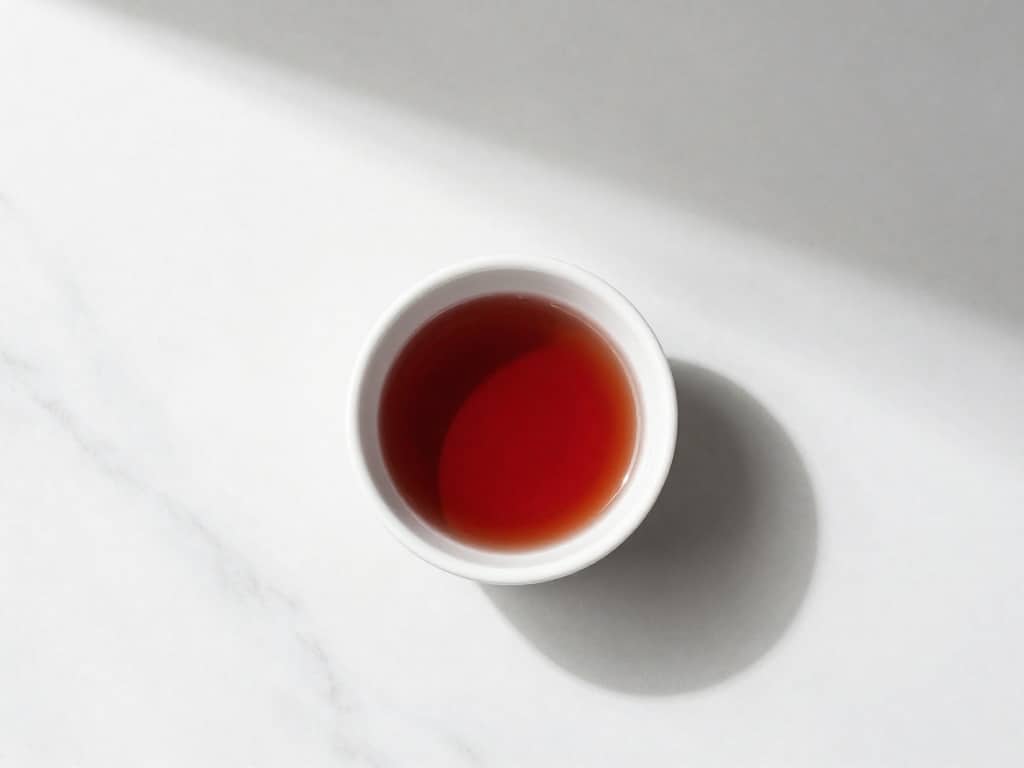
It adds a wine-like edge and a reddish tint. That color is useful in dark gravies but distracting in pale slaws or cream sauces.
Red wine vinegar can also stand in for other dark vinegars. If that bottle is missing too, use our red-wine acid swap guide to keep the same dark-sauce job.
For sauces that need a darker acid with more depth, our black-vinegar backup uses the same color-and-depth test.
Which Malt Vinegar Substitute Works Best by Dish?
Use apple cider vinegar when you are unsure. It gives the best balance of acidity, color, and mild flavor for most malt vinegar recipes.
Use white wine vinegar for light dishes, rice vinegar for gentle acidity, lemon juice for seafood, and red wine vinegar for dark savory cooking.
Fish, chips, and slaw need a clean finish
Apple cider vinegar is closest for fried food, though the barley note will be missing. Rice vinegar keeps slaw mild, while white wine vinegar gives quick pickles cleaner color.
Marinades and gravy can carry a darker vinegar
Apple cider vinegar works in broad marinades. Red wine vinegar gives beef, tomato sauce, and gravy more depth than lemon juice.
If you only have white vinegar, it can supply acid but not depth. The clear vinegar backups page is better when the recipe starts from plain vinegar instead of malt vinegar.
For fried food, add vinegar at the table instead of into the batter or breading. That keeps the crust crisp and lets each person control the sharpness.
What Not To Use
Do not use cleaning vinegar, even if the bottle says vinegar. It is not sold as food, and it does not belong in cooking.
- Cleaning vinegar is not sold as a food and never belongs in a recipe.
- Balsamic vinegar can make pale slaw, chips, and light sauces sweet and dark.
- Sweet fruit vinegar can cover the sharp condiment job with berry or syrup flavor.
- Plain wine lacks vinegar's acidity and cannot provide the same result.
Fruit vinegars need the same caution. A bottle like berry-vinegar note can be useful in dressings, but it is usually too fruity for fish and chips.
How Do You Adjust Sweetness, Color, and Salt?
After the 1:1 swap, taste the dish before changing anything else. A pinch of sugar can round white wine vinegar, while a splash more acid can sharpen rice vinegar.
Correct sweetness and salt before adding more acid
Seasoned rice vinegar may already include sugar and salt. Reduce other sugar or salt in the recipe before adding more.
Use color as a dish-fit test
Dark vinegars change color. That is helpful in beef gravy and tomato sauce, but it can make pale sauces look muddy.
If the recipe needs savory depth more than acid, compare the job with savory sauce backups or mustard-seed backups. Those bottles bring different flavor tools than vinegar does.
If the dish tastes flat after the swap, do not pour in more vinegar right away. Add a pinch of salt first, because acid tastes weaker when the rest of the seasoning is low.
If the dish tastes harsh, dilute the dressing or sauce with the recipe's main liquid. Water works for some pickles, but oil, broth, or pan juices fit better in cooked food.
For marinades, keep the timing in mind too. A sharp vinegar can firm the surface of fish or thin meat if it sits too long.
Use a shorter marinating time when you switch from mild rice vinegar to white wine vinegar or lemon juice. The flavor will move faster because the acid tastes sharper.
Can You Use These Substitutes for Pickling and Canning?
For refrigerator pickles, white wine vinegar, apple cider vinegar, or rice vinegar can work when the flavor fits. For canning, do not guess.
Use a tested recipe with the vinegar type and acidity it calls for. Lemon juice, mild rice vinegar, and sweet vinegars should not be swapped into canning recipes unless the recipe is built for them.
This caution is not about taste only. Preservation depends on acid strength, jar process, and the food being preserved.
For quick refrigerator pickles, flavor flexibility is wider because the food stays cold and is eaten sooner. For shelf-stable jars, the tested recipe owns the vinegar choice.
For fish and chips, taste the substitute on a plain fry before serving the whole plate. The right swap should cut oil without making the potato taste sugary.
Use the vinegar type and strength named in a tested canning recipe. A good table substitute is not automatically a safe preservation substitute.
Sources
- The Vinegar Institute retail vinegar acidity guidance.
- American Scientist overview of vinegar chemistry and varieties.
- National Center for Home Food Preservation canning safety overview.
Malt Vinegar Substitute FAQ
Can I use white vinegar instead of malt vinegar?
Yes, but it tastes sharper and flatter. Use it only when acidity matters more than flavor, and soften it with a small pinch of sugar if needed.
Which substitute is best for fish and chips?
Apple cider vinegar is the closest easy pick, but it will not copy malt vinegar's barley flavor. Use less at first if you only want a splash.
Can lemon juice replace malt vinegar in pickles?
Use vinegar for pickles unless you have a tested recipe that calls for lemon juice. Lemon flavor and acidity can vary by fruit.
Is rice vinegar strong enough to replace malt vinegar?
Rice vinegar works in mild dishes, but it may taste too soft in bold sauces. Start 1:1, then add a little more if the dish tastes flat.
What should I avoid as a malt vinegar substitute?
Avoid sweet balsamic vinegar in pale or sharp recipes unless the dish can handle sweetness and dark color.

Carrie is a food writer and editor with more than 15 years of experience. She has worked for some of the biggest names in the food industry, including Bon Appétit, Food & Wine, and Martha Stewart Living.
As the Editor in Chief of EpicureDelight, Carrie oversees all of the content on the site. She also manages the team of contributing writers and editors, who help to create delicious recipes, helpful tips, and informative articles that you’ll find on the site.
A native of the Chicago area, Carrie is passionate about all things food. She loves trying new restaurants and experimenting with new recipes in her kitchen. She’s also a graduate of the Culinary Institute of America, so she knows a thing or two about food!