
Whole wheat pastry flour sits at a specific point on the protein spectrum, around 8-9% protein, giving it enough structure for savory doughs without the toughness that comes from bread flour. That balance is what makes it so useful for savory pie crusts, hand pies, and filled doughs.

Running out mid-recipe is a real problem because not every flour in your pantry behaves the same way.
The good news about substituting is that the 1:1 cup-for-cup ratio holds across most options listed here. What changes is protein content, moisture absorption, and how much nuttiness comes through in the final bake.
Savory applications are less forgiving than sweet ones when texture goes wrong. A quiche crust that crumbles or a hand pie dough that cracks at the edges points to a flour swap that needed a small liquid adjustment.
Knowing why each substitute behaves differently helps you catch those problems before they happen.
Understanding whole wheat flour flavor gives useful context here, since the mild earthiness of whole wheat pastry flour is part of what you are trying to preserve or match when you swap.
Each substitute below comes with a precise ratio, the savory context it works best in, and the one tradeoff worth watching.
The five best cup-for-cup substitutes for whole wheat pastry flour in savory recipes are all-purpose flour, white whole wheat flour, cake flour, a gluten-free all-purpose blend, and spelt flour. All work at a 1:1 ratio. Texture and liquid needs vary slightly by substitute and recipe type.
Substitutes at a Glance
These five substitutes cover the most common pantry scenarios, from reaching for the nearest bag of all-purpose flour to navigating a gluten-free requirement. pastry flour basics from BBC Good Food make clear that lower-protein flours produce more tender results, which is exactly what whole wheat pastry flour is designed to do.
Each option below matches that 1:1 ratio, so no math is required mid-recipe.
What differs is how much the swap affects the final texture and flavor of your savory bake. A flaky hand pie crust behaves differently from a thick quiche base, so the Best For column points you toward the right match.
| # | Substitute | Ratio | Best For | Taste Match |
|---|---|---|---|---|
| 1 | All-Purpose Flour | 1:1 | Savory pie crusts, hand pies, dumplings | Close |
| 2 | White Whole Wheat Flour | 1:1 | Savory galettes, filled doughs, tart shells | Very Close |
| 3 | Cake Flour | 1:1 | Tender savory biscuits, thin-crust quiche | Mild |
| 4 | Gluten-Free All-Purpose Blend | 1:1 | GF savory pies, pot pie crusts | Mild/Different |
| 5 | Spelt Flour | 1:1 | Rustic savory crusts, herb-forward pastries | Close/Nutty |
Save This for Later
Pin this savory tweaks: 5 best whole wheat pastry flour substitutes guide so you always have it when you need it.
Pin This GuideAll-Purpose Flour Substitutes in Detail
1. All-Purpose Flour
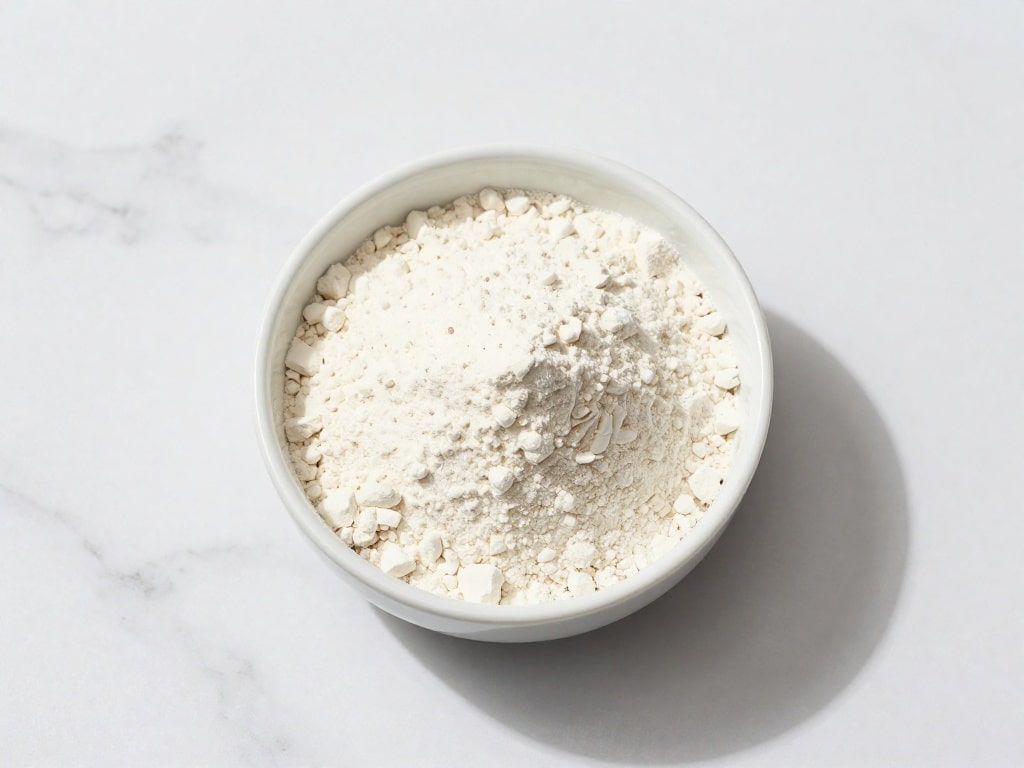
All-purpose flour is the most practical substitute in this list, and it is likely already on your shelf. Its protein content sits at 10-12%, which is slightly higher than whole wheat pastry flour, so savory doughs made with it will have a bit more chew and less tenderness.
For most savory pie crusts and hand pies, that difference is minor and worth the convenience.
The swap is direct: use 1 cup all-purpose flour for every 1 cup of whole wheat pastry flour called for. You may notice the crust is marginally firmer once baked, which is actually an advantage in pot pies or filled dumplings that need to hold together.
Food Network's flour guide confirms that all-purpose is the standard go-to when pastry flour runs out.
Liquid balance rarely needs adjustment with this swap. If your dough feels slightly stiff, add cold water one teaspoon at a time until it comes together.
The one real tradeoff is flavor: all-purpose flour has a neutral taste, so the mild earthy note of whole wheat pastry flour disappears. That matters less in heavily seasoned savory fillings and more in simpler doughs where the crust flavor stands out.
For crusts that need pastry cutter alternatives, all-purpose flour is the safest match because it behaves predictably when fat is cut in.
Use all-purpose flour for any savory pie crust or dumpling dough where structural hold matters more than subtle nuttiness. It is the most consistent 1:1 swap with no liquid adjustment needed.
2. White Whole Wheat Flour
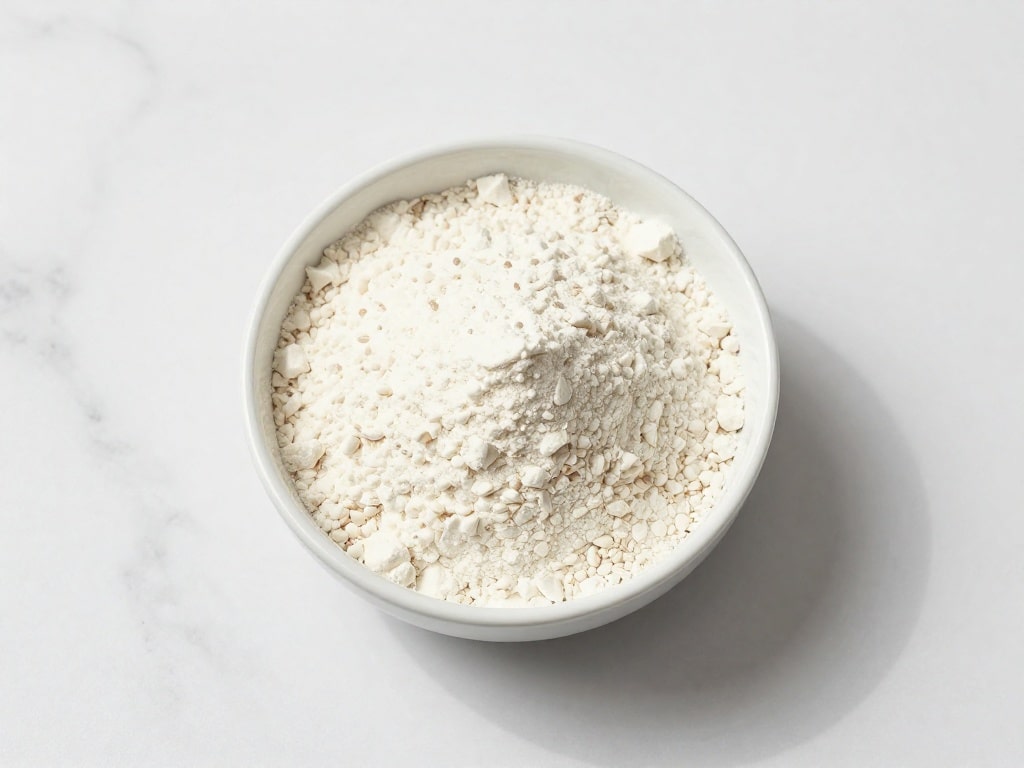
White whole wheat flour is milled from hard white wheat rather than hard red wheat, which means it carries the full bran and germ but with a milder, less bitter flavor. Its protein content runs around 13%, slightly above whole wheat pastry flour, so expect a marginally denser crumb in savory pastries.
The flavor difference compared to standard whole wheat is subtle enough that most people notice warmth and nuttiness rather than any sharpness.
Use 1 cup white whole wheat for every 1 cup of whole wheat pastry flour. Because it absorbs moisture a touch more aggressively, add an extra teaspoon of water or cold butter per cup of flour to keep the dough pliable.
pastry flour variants discussed by BBC Good Food support this approach for whole grain alternatives. Savory galettes and rustic tart shells are ideal applications because their open or folded structure tolerates a slightly firmer dough.
This swap is the closest flavor match on the list if preserving that earthy, grain-forward quality matters to your recipe. Herb-heavy fillings pair well with white whole wheat's subtle backdrop.
General guidance on whole wheat substitutions from Food Network reinforces that small hydration bumps are the key adjustment.
For a deeper look at how whole wheat alternatives behave across different recipes, the guide to whole wheat flour swaps covers more ground on related options.
If preserving whole grain flavor is a priority, white whole wheat is the closest match. Add a teaspoon of extra liquid per cup to prevent a dry, crumbly crust.
3. Cake Flour
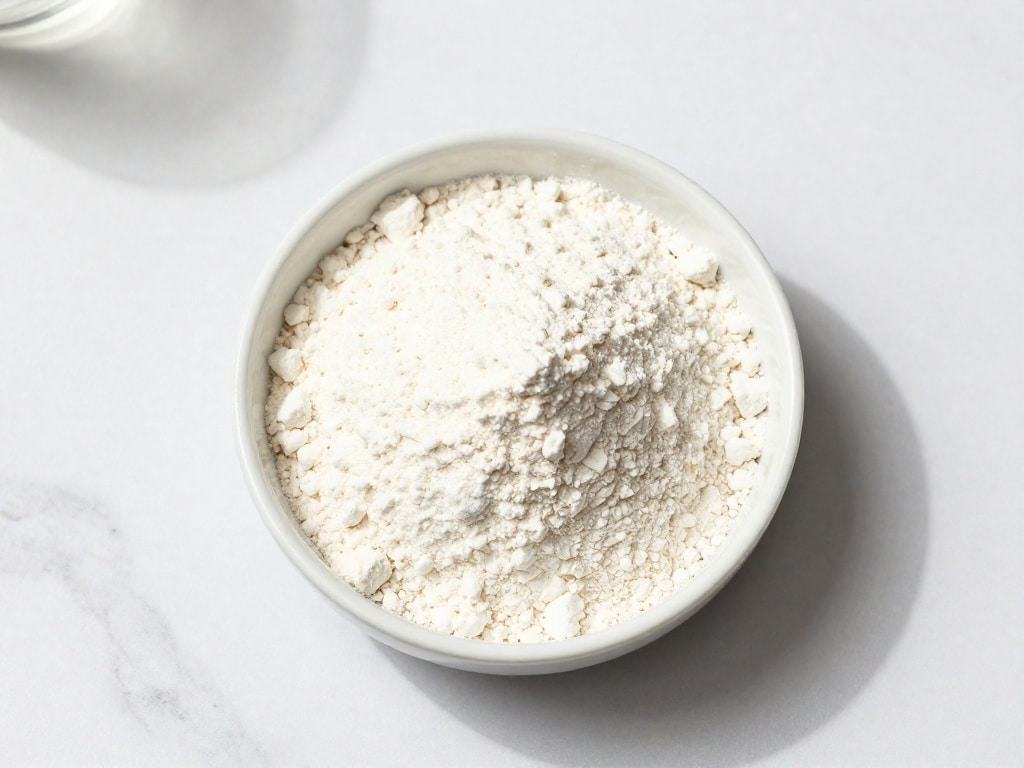
Cake flour has the lowest protein content of any wheat flour substitute here, typically around 7-8%, which is close to whole wheat pastry flour's 8-9%. That proximity in protein level means cake flour produces a similarly tender, delicate crumb in savory pastries.
It is chlorinated during processing, which slightly alters starch absorption, so the dough can feel softer and a touch stickier than expected.
Swap at a 1:1 ratio, and reduce added liquid by about one teaspoon per cup since cake flour holds moisture more readily. low-protein flour options covered by BBC Good Food identify cake flour as a viable swap specifically because of this protein-level similarity.
Thin-crust quiche bases and savory biscuits are where cake flour shines, producing a flaky, melt-in-your-mouth texture that all-purpose cannot replicate as easily.
The tradeoff is flavor. Cake flour is very neutral, without any nuttiness, so it tastes slightly flat in simple savory doughs.
Rich fillings, strong cheeses, or herb-heavy mixtures compensate for that neutrality without any issue. cake flour substitution guidance from Food Network notes that its lower gluten development is the primary reason it produces such a soft result.
If the savory recipe you are working on calls for a very flaky or tender crust, and you have no whole wheat pastry flour on hand, cake flour delivers the closest textural match.
Reduce added liquid by one teaspoon per cup when using cake flour in savory dough. It absorbs moisture faster and the dough can turn sticky if you match the original recipe's liquid exactly.
4. Gluten-Free All-Purpose Flour Blend
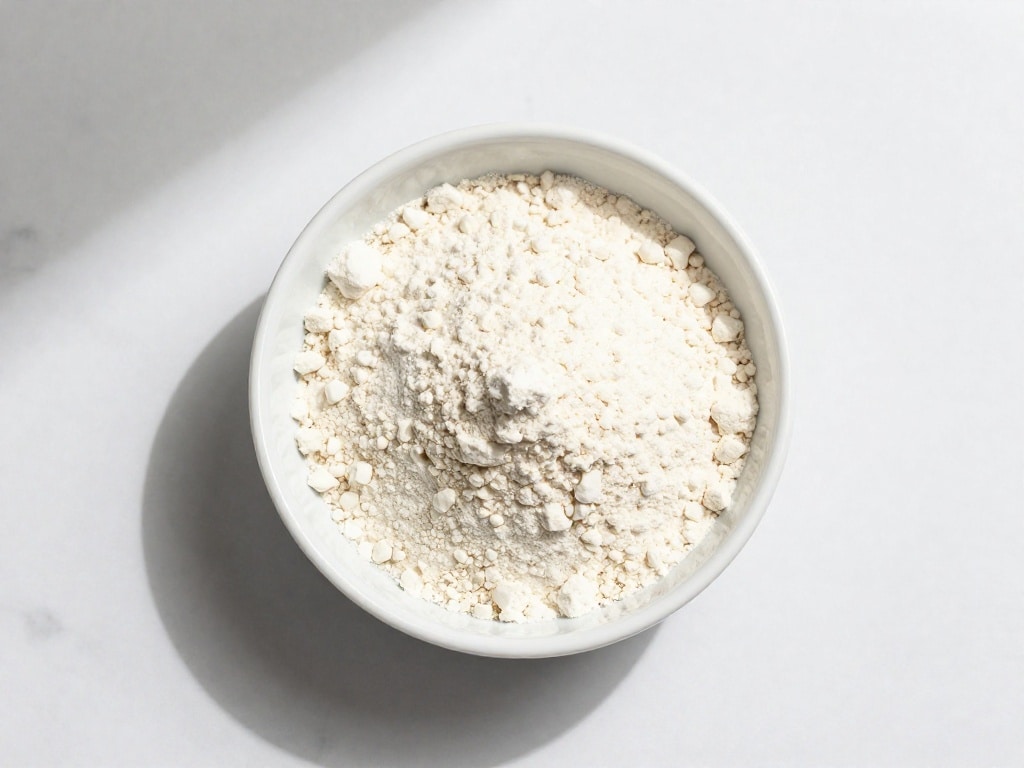
A gluten-free all-purpose blend is the go-to option when dietary requirements rule out wheat entirely. Most commercial blends combine rice flour, tapioca starch, and potato starch to mimic the texture of wheat flour.
The key variable is xanthan gum: blends that include it behave much closer to a 1:1 swap, while blends without it require you to add ¼ teaspoon of xanthan gum per cup to hold the dough together.
Use a 1:1 ratio by volume, and expect the dough to feel softer and slightly stickier than a wheat-based dough. Chilling the dough for at least 30 minutes before rolling firms it up and reduces tearing.
Guidance on 1:1 GF substitutions from Serious Eats points out that resting the dough is the single most effective technique for working with GF blends. Savory pot pie crusts and hand pies are strong candidates because the filling provides structure while the crust bakes.
The flavor tradeoff is real: many GF blends have a faintly starchy or slightly gummy quality, especially in thicker crusts. Seasoning the dough directly with salt, herbs, or a small amount of grated cheese masks this effectively.
GF flour baking basics from BBC Good Food confirm that bold flavors help balance the neutral or slightly off-taste that some blends carry.
Exploring gluten-free flour options for savory baking gives a broader view of how different GF bases perform in various dough types.
Always check your GF blend's label for xanthan gum before baking. Without it, savory doughs made from GF blends will crumble and fail to hold together when filled or folded.
5. Spelt Flour
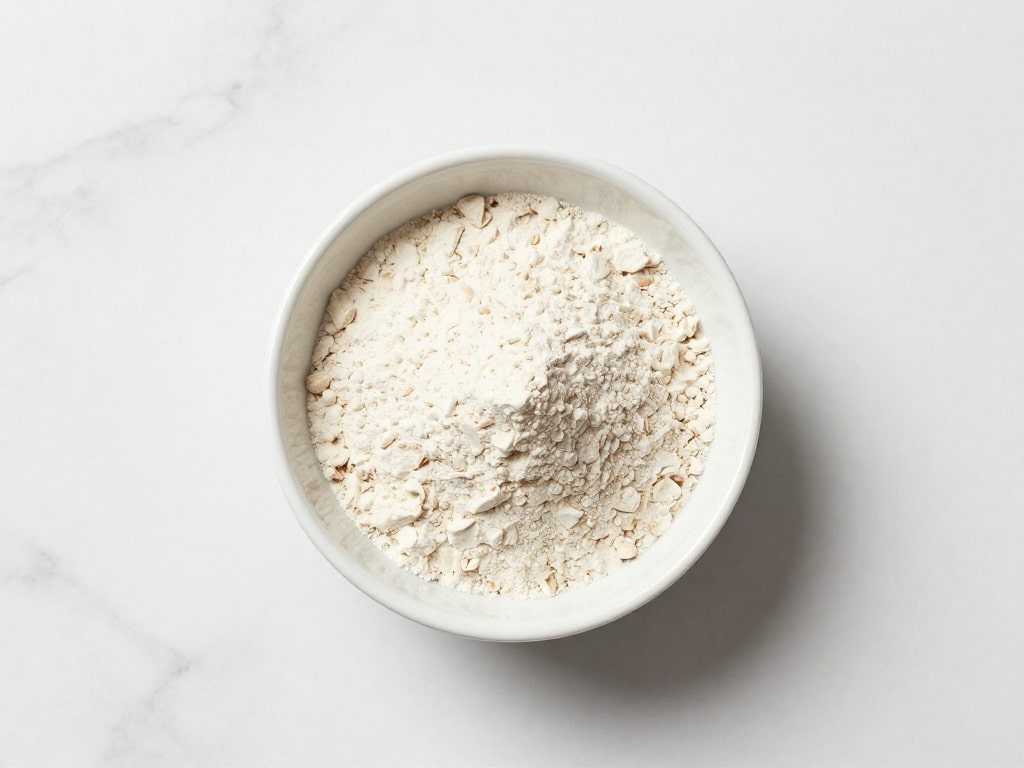
Spelt is an ancient grain with a protein content of around 10-11%, sitting between all-purpose and whole wheat pastry flour. It contains gluten, but the gluten structure is weaker and more water-soluble than in modern wheat, which means spelt doughs tend to be softer and more extensible.
For savory pastries, that translates to a crust that is easy to roll thin and has a pleasant, nutty flavor that works particularly well with earthy fillings like mushrooms, roasted vegetables, or aged cheeses.
The swap is 1:1 by volume, and spelt's higher absorption means adding a teaspoon of extra water or fat per cup is often needed. Overworking spelt dough breaks down its gluten faster than with all-purpose flour, so mix only until the dough just comes together.
pastry flour substitution guidance from Serious Eats notes that spelt is one of the more forgiving alternatives for savory applications precisely because of this softer gluten network.
King Arthur Baking's detailed spelt flour overview confirms that spelt performs best in recipes that do not rely on strong gluten development. Rustic open-faced tarts and galettes are ideal.
Where you might run into trouble is with tightly crimped or shaped doughs: spelt's softer gluten can cause edges to open during baking if handled too much.
If flavor complexity matters and gluten is not a concern, spelt is worth trying. You can also explore using brown rice flour if you want a grain-forward option that is also gluten-free.
Spelt flour is the best choice for rustic savory galettes and open-faced tarts where a nutty, complex flavor adds to the dish. Keep handling minimal to prevent the softer gluten from breaking down.
How to Choose the Right Substitute?
The right swap depends on three factors: what the recipe structure requires, whether gluten is on the table, and how much the flour's flavor contributes to the finished dish. flour-type guidance from Serious Eats reinforces that protein content is the primary driver of texture outcomes in any pastry application.
A well-seasoned filling can absorb most flavor differences, which makes structural performance the priority for most cooks.
- Need reliable structure with no adjustments: All-purpose flour is the default. It holds together predictably and needs no liquid changes in most savory dough recipes.
- Want whole grain flavor preserved: White whole wheat matches the earthy, nutty notes of whole wheat pastry flour better than any other option. Add a teaspoon of extra liquid per cup.
- Prioritizing a tender, flaky crumb: Cake flour's low protein content produces the most delicate result. Reduce liquid slightly and expect a flavor-neutral crust that lets the filling lead.
- Baking gluten-free: A GF all-purpose blend with xanthan gum holds savory doughs together. Chill the dough before rolling and season it directly to offset the starchy baseline flavor.
- Aiming for nutty, rustic character: Spelt flour adds depth and handles beautifully in galettes and open tarts. Mix gently and do not overwork the dough.
Quick-choice guidance from BBC Good Food also notes that matching moisture levels is as important as matching protein. If the texture of your savory cheddar filling changes the way you build the pie, checking which cheddar works best alongside your flour swap can help keep the full recipe on track.
And if the issue goes beyond flour structure, the broader guide to flour-based thickening agents covers how different flours perform in sauces and gravies that often accompany savory pastries.
Match your substitute to the recipe's structural need first, then adjust liquid by one teaspoon at a time. Flavor differences almost always fade behind a well-seasoned savory filling.
Frequently Asked Questions
What is the best cup-for-cup substitute for whole wheat pastry flour in savory pie crusts?
All-purpose flour is the most reliable 1:1 swap for savory pie crusts. Its 10-12% protein content gives enough structure without making the crust tough, and no liquid adjustment is typically needed.
Can I substitute whole wheat pastry flour in cookies or biscuits without changing texture?
Cake flour is the closest match for tender biscuits and soft savory cookies, using a 1:1 ratio. Reduce liquid by one teaspoon per cup to account for cake flour's higher moisture absorption.
How does protein content affect substitution outcomes in pastries?
Higher protein develops more gluten, producing a chewier, tougher crust. Whole wheat pastry flour sits at 8-9% protein; substitutes above 12% protein will noticeably firm up the crumb.
Are gluten-free substitutes always interchangeable in savory pastries?
No. GF blends without xanthan gum will not hold together in savory doughs. Always confirm the blend contains a binder, or add ¼ teaspoon xanthan gum per cup before mixing.
What adjustments to liquids or fats are recommended when substituting?
Whole grain substitutes like white whole wheat and spelt absorb more moisture, so add one extra teaspoon of water or fat per cup. Cake flour absorbs faster, so reduce liquid by one teaspoon per cup.
Savory Tweaks: 5 BEST Whole Wheat Pastry Flour Substitutes
Ingredients
Method
- Choose your substitute based on the dish type and desired flavor match. Use all-purpose for structure, white whole wheat for nuttiness, cake flour for tenderness, a GF blend for gluten-free needs, or spelt for rustic flavor.
- Prepare the substitute as directed: adjust ratios and prep as noted for each option. Check whether your GF blend contains xanthan gum before mixing, and chill GF or spelt doughs for at least 30 minutes before rolling.
- Apply the substitution ratio carefully. Start with the stated 1:1 amount and adjust liquid one teaspoon at a time if the dough feels too stiff or too sticky.
- Taste and adjust seasoning. Some substitutes shift flavor or texture slightly, so season the dough directly with salt or herbs to compensate for neutral or starchy base flavors.
Notes
- Whole grain substitutes like white whole wheat and spelt absorb more moisture than whole wheat pastry flour. Add one teaspoon of extra water or fat per cup to keep dough pliable.
- Gluten-free blends without xanthan gum will crumble in savory doughs. Always check the label before baking or add ¼ teaspoon xanthan gum per cup of GF flour.
Tried this recipe?
Let us know how it was!
Carrie is a food writer and editor with more than 15 years of experience. She has worked for some of the biggest names in the food industry, including Bon Appétit, Food & Wine, and Martha Stewart Living.
As the Editor in Chief of EpicureDelight, Carrie oversees all of the content on the site. She also manages the team of contributing writers and editors, who help to create delicious recipes, helpful tips, and informative articles that you’ll find on the site.
A native of the Chicago area, Carrie is passionate about all things food. She loves trying new restaurants and experimenting with new recipes in her kitchen. She’s also a graduate of the Culinary Institute of America, so she knows a thing or two about food!



