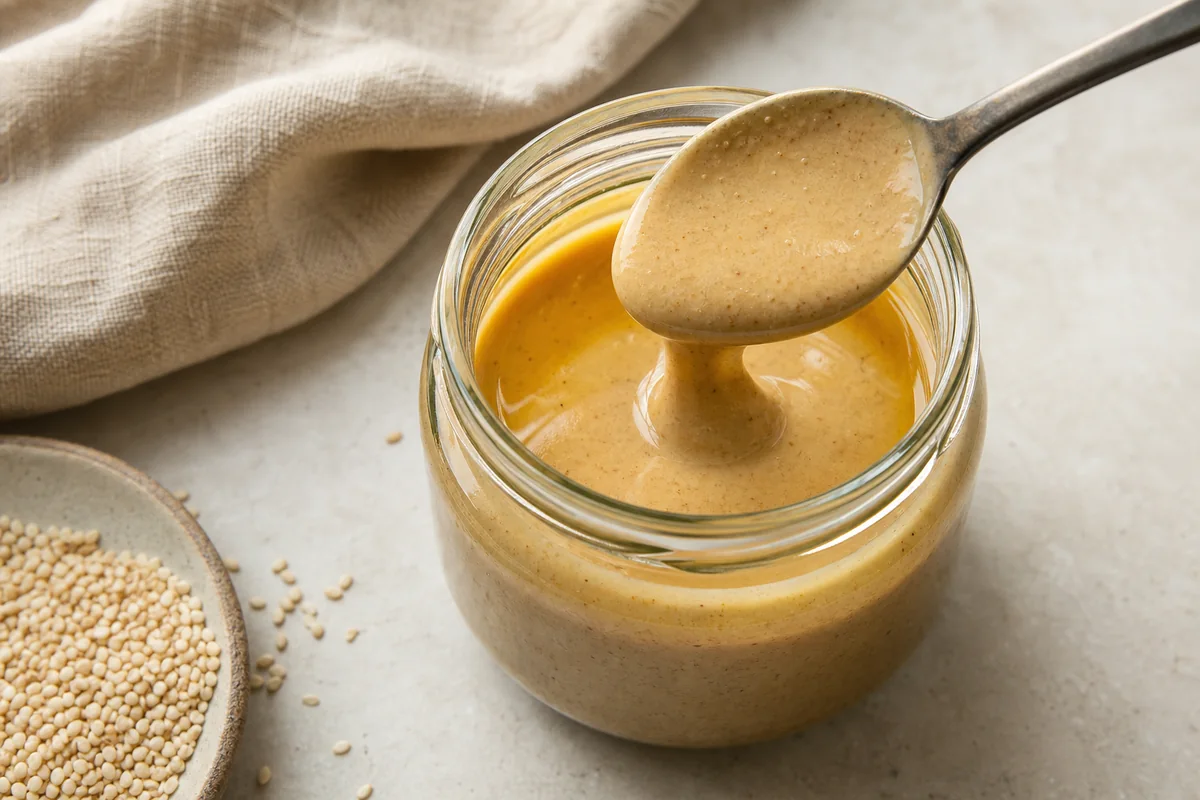
Most savory dumplings combine a mild wheat wrapper with a juicy, salty, umami filling. Pork versions taste rich, vegetable fillings feel lighter and sweeter, and shrimp adds a clean seafood sweetness.
The cooking method changes the outside more than the filling. Steamed dumplings feel soft, boiled dumplings feel smooth and slippery, and pan-fried dumplings add a crisp toasted base.

A dumpling bite has two layers. The wrapper supplies mild chew, while the filling supplies meat, vegetables, aromatics, and most of the salt and savoriness.
What Do Dumplings Taste Like?
One bite begins at the wrapper. Plain wheat dough tastes mild and slightly sweet, which gives the filling room to lead.
A good wrapper bends without turning pasty. It may feel thin and delicate around gyoza or thicker and chewier around a boiled dumpling.
The wrapper sets texture before flavor
Wheat dough tastes mild and feels tender or chewy. Direct contact with hot oil adds a toasted edge that steaming and boiling cannot.
The filling supplies the aroma and finish
Salt, umami, fat, vegetables, ginger, garlic, and released juice decide whether the center feels rich, bright, sweet, or earthy.
Pork and green cabbage gives the familiar rich profile found in many potstickers. The pork brings fat and savoriness, while cabbage adds moisture and a small sweetness.
Shrimp feels springier and tastes sweeter. Mushroom or tofu adds earthy savoriness without the heavier finish of meat.
A dry filling can make the whole dumpling seem bland even when the seasoning is correct. Juices carry salt and aroma across the wrapper as you chew.
How Do Steaming, Boiling, and Frying Change Dumpling Texture?
| Method | Wrapper texture | Flavor change | Best for |
|---|---|---|---|
| Steamed | Soft and tender | Clean filling flavor | Delicate wrappers |
| Boiled | Smooth and slippery | Mild, with no browning | Sturdy sealed dumplings |
| Pan-fried | Soft top, crisp base | Nutty toasted edge | Potstickers and gyoza |
| Deep-fried | Crisp throughout | Rich oil-browned flavor | Thicker wrappers |
Listen before you bite. A pan-fried dumpling makes a small crackle at the browned base, while a steamed one stays quiet and soft.
Boiling surrounds the wrapper with moving water. That creates a smooth, slippery surface, but a weak seal or very thin skin can tear.
Bon Appétit notes that the dumpling shape must suit the method. Boiling needs a strong seal, while pan-frying works best when a flat side can sit against the skillet.
A steamed wrapper can turn sticky when dumplings touch. Space them apart and line the steamer so the bottoms lift cleanly.
Pan-frying gives two textures in one bite. Water steams the filling and upper wrapper, then the uncovered pan evaporates the moisture so the oiled base can crisp.
Use the method named on a frozen package. A thin wrapper designed for steaming may burst in a hard boil.
How Do Dumpling Fillings Change the Flavor?
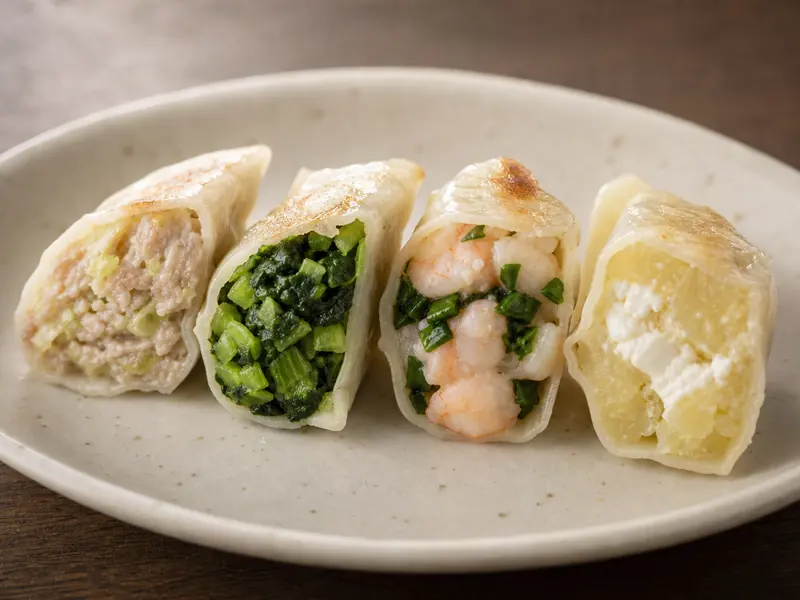
The filling decides whether a dumpling feels rich, bright, sweet, or earthy. Aromatics and sauce then adjust that base.
Choose by appetite as much as cuisine. A fatty pork dumpling can anchor a meal, while a cabbage or chive filling feels lighter beside several shared dishes.
Meat and seafood fillings carry juice differently
Pork and cabbage tastes juicy, salty, and rich. Chicken and ginger feels leaner and warmer, while shrimp and chive adds clean sweetness and a springy bite.
Vegetable, mushroom, and potato fillings lean on texture
Mushroom and tofu tastes earthy and savory, especially with soy or sesame. Potato and cheese feels mild, creamy, and filling, closer to a pierogi center than a jiaozi filling.
Hot chile oil changes aroma as well as heat. If the oil carries toasted pepper and sesame, the dumpling will taste deeper than one served with plain chopped chile.
Sweet fillings belong to the dumpling family too, but they answer a different craving. Fruit, sweet cheese, red bean paste, or sesame paste can move the bite toward dessert.
For a savory meal, use a dumpling side that adds freshness or crunch instead of another heavy dough.
Why Do Gyoza, Jiaozi, Momo, and Pierogi Taste Different?
The word dumpling describes a broad form rather than one flavor. Even filled dough parcels differ in wrapper thickness, filling, seasoning, and sauce.
Japanese gyoza often use a thin wrapper and finely chopped filling. A pan-fried base gives them a crisp edge while the top stays tender.
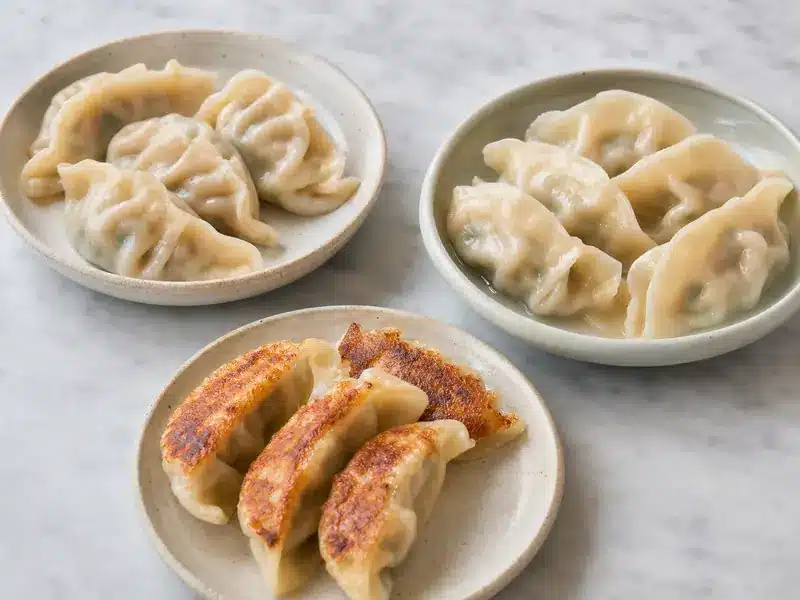
Chinese jiaozi may be boiled, steamed, or pan-fried, with pork, beef, shrimp, egg, or vegetable fillings. Their taste changes enough that the cooking method belongs in the order.
Nepalese momo often brings stronger ginger, garlic, scallion, and spice, then adds a tomato or chile-based sauce. If fresh aromatics are missing, a measured ginger-garlic paste replacement keeps the filling balanced.
Polish pierogi use a softer dough around potato, farmer cheese, meat, cabbage, mushroom, or fruit. Butter, browned onion, and sour cream create a richer dairy finish than soy and vinegar.
Italian gnocchi and American chicken and dumplings also use the dumpling name, but they do not have the same filled-wrapper bite. Treat them as separate dishes when predicting taste.
How Much Dipping Sauce Should You Use?
Sauce can erase a delicate filling quickly. Dip one corner first, then decide whether the dumpling needs more salt, acid, heat, or aroma.
Soy sauce adds salt and fermentation depth. Black vinegar or rice vinegar cuts fat, while chile oil adds warmth and toasted aroma.
Taste it with little or no sauce. Add dip only after you know whether the filling already has enough salt, acid, and chile.
A clean dumpling should smell like cooked dough, filling, and aromatics. A sour odor, cold meat center, or wrapper that stays raw and floury means it is not ready to eat.
Steam should escape when a hot dumpling opens, but the filling should not gush clear water. Much loose water can mean frozen vegetables released moisture or the filling was not mixed well.
A soggy pan-fried base can often be corrected with another minute in an uncovered skillet. Do not keep adding oil before the trapped water evaporates.
Frozen dumplings can taste very good when cooked straight from frozen by the package method. Thawing first may soften the wrapper and weaken the seal.
Pair a rich pork filling with cucumber, cabbage, or another crisp side. A lighter vegetable dumpling can handle a fuller broth or a measured chile sauce without feeling heavy.
A shrimp filling needs restraint because much fermented seafood can hide its sweetness. If a recipe calls for it, choose a shrimp paste replacement by salt level and aroma.
If vinegar is missing, choose a substitute that preserves brightness rather than sweetness. The goal is to clear the palate between bites.
Sources
- Bon Appétit guide to steaming, boiling, and frying dumplings
- USDA safe minimum internal temperature chart
Frequently Asked Questions
Do dumplings taste like pasta?
The wrapper can share a mild wheat flavor with pasta, but a filled dumpling is usually juicier and more seasoned inside.
Are dumplings spicy?
Many dumplings are mild. Chile in the filling or dipping sauce controls most of the heat.
Are steamed or fried dumplings better?
Steamed dumplings show the filling clearly and feel soft. Fried dumplings add a toasted crisp base and a richer finish.
Why do my dumplings taste bland?
The filling may need more salt, aromatics, fat, or acid. Taste a cooked test spoonful before filling a homemade batch.
Can dumplings be sweet?
Yes. Fruit, sweet cheese, bean paste, sesame, and other sweet fillings appear in several dumpling traditions.

Carrie is a food writer and editor with more than 15 years of experience. She has worked for some of the biggest names in the food industry, including Bon Appétit, Food & Wine, and Martha Stewart Living.
As the Editor in Chief of EpicureDelight, Carrie oversees all of the content on the site. She also manages the team of contributing writers and editors, who help to create delicious recipes, helpful tips, and informative articles that you’ll find on the site.
A native of the Chicago area, Carrie is passionate about all things food. She loves trying new restaurants and experimenting with new recipes in her kitchen. She’s also a graduate of the Culinary Institute of America, so she knows a thing or two about food!