
Treacle is one of those deeply flavored pantry staples that quietly does a lot of heavy lifting. Its thick consistency, dark color, and bittersweet molasses notes add richness to glazes, braises, and baked goods that few other sweeteners can replicate exactly.

There are two main types worth knowing. Light treacle, often called golden syrup, leans toward clean caramel sweetness with minimal bitterness.
Dark treacle is closer to molasses in depth, with a pronounced bitter edge and a nearly black color that stains everything it touches.
Running out mid-recipe is genuinely frustrating, especially when the dish depends on that thick, dark backbone.
The good news is that several pantry-friendly substitutes get close enough that most people will not notice the difference, particularly in savory applications like bold-flavored sauces and condiments where complexity already runs high.
Savory dishes like stews, barbecue glazes, and marinades are the most forgiving swap zones. Delicate desserts are a tighter call, so this guide prioritizes ratio precision and flavor tradeoffs so you can decide with confidence.
The five best treacle substitutes are dark molasses, golden syrup, honey, maple syrup, and blackstrap molasses. Each has a specific ratio and best-use case. Savory dishes tolerate flavor nuances better than desserts, making substitution easier in glazes, marinades, and braises.
Treacle Substitutes in Detail
Every substitute below uses treacle as the reference point for viscosity and sweetness. Ratios are given as treacle-to-substitute, meaning how much substitute replaces the treacle called for in the recipe.
Color shift is real with several of these, so expect your finished dish to look slightly lighter or darker depending on your choice.
Some substitutes also carry more bitterness than treacle, especially blackstrap molasses. If a recipe already includes soy sauce, Worcestershire, or other salty-savory components, reduce the added salt by about ¼ teaspoon per cup when using a very bitter substitute.
| # | Substitute | Ratio | Best For | Taste Match |
|---|---|---|---|---|
| 1 | Dark Molasses | 1:1 | Stews, barbecue glazes, dark sauces | Close |
| 2 | Golden Syrup | 1:1 | Savory glazes, marinades, baked goods | Mild |
| 3 | Honey | 3:4 | Marinades, dressings, sweeter sauces | Different |
| 4 | Maple Syrup | 1:1.5 | Pork glazes, poultry sauces, baked goods | Mild |
| 5 | Blackstrap Molasses | 1:1.25 | Baked beans, hearty stews, smoky sauces | Close (more bitter) |
Save This for Later
Pin this savory tweaks: 5 best treacle substitutes guide so you always have it when you need it.
Pin This Guide1. Molasses (Dark) - 1:1
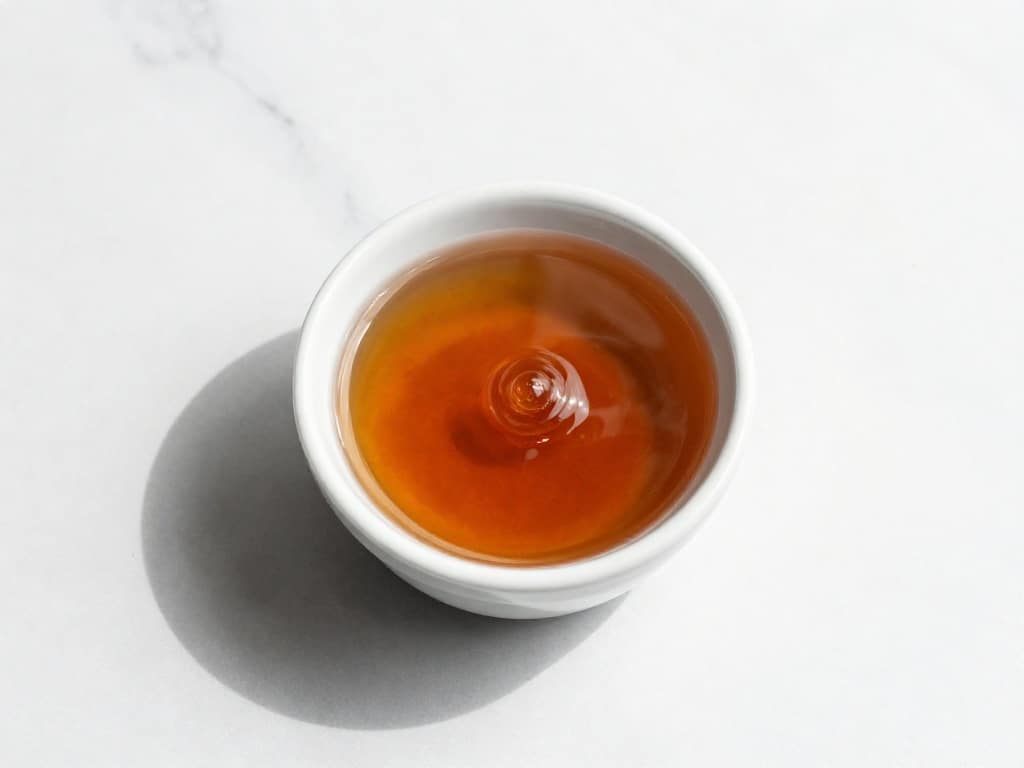
Dark molasses is the closest match to dark treacle you will find in most grocery stores. It shares the same thick, pourable consistency and delivers deep color with a pronounced caramel-like edge that reads as near-identical in stews, barbecue glazes, and dark caramel sauces.
The key difference is that dark molasses can run slightly more bitter than British-style treacle. In savory applications, this extra edge actually works in your favor, adding complexity to braises with cuts like tougher proteins that braise low and slow.
In sweeter baked goods, you may want to add a small pinch of sugar to compensate.
- Ratio: Use 1:1. No adjustment needed for most savory recipes.
- Color impact: Essentially identical to dark treacle; expect the same deep mahogany finish.
- Bitterness: Slightly higher than treacle; balance with a small amount of brown sugar if needed.
- Best savory uses: Braised meats, smoky barbecue glazes, and hearty winter stews.
Dark molasses is the best all-around swap for treacle in hearty savory sauces and braises where molasses notes are welcome. Use it 1:1 with no other changes needed.
2. Golden Syrup - 1:1

Golden syrup is essentially light treacle by another name. It has a mild, clean sweetness and a light amber color that makes it far less aggressive than dark treacle in both flavor and appearance.
If your recipe calls for light treacle specifically, this is a direct replacement with zero ratio adjustment.
In savory glazes and marinades, golden syrup gives a smooth, lacquered finish without any bitterness. It works especially well in preparations paired with ingredients like cured or fatty proteins where the sweetness balances the salt and richness naturally.
For dark treacle applications, expect a noticeably lighter color and a gentler flavor profile overall.
- Ratio: 1:1 for light treacle. For dark treacle, consider adding ½ teaspoon of dark soy sauce per tablespoon to deepen color.
- Texture: Nearly identical viscosity to treacle; no moisture adjustment needed.
- Best savory uses: Glazes, marinades, and savory baked goods where smooth texture matters.
- Limitation: Will not replicate the bitter depth of dark treacle in robust sauces.
Golden syrup is the top choice for milder savory glazes and any recipe where you want to avoid the bitterness of dark treacle entirely.
3. Honey - 3:4
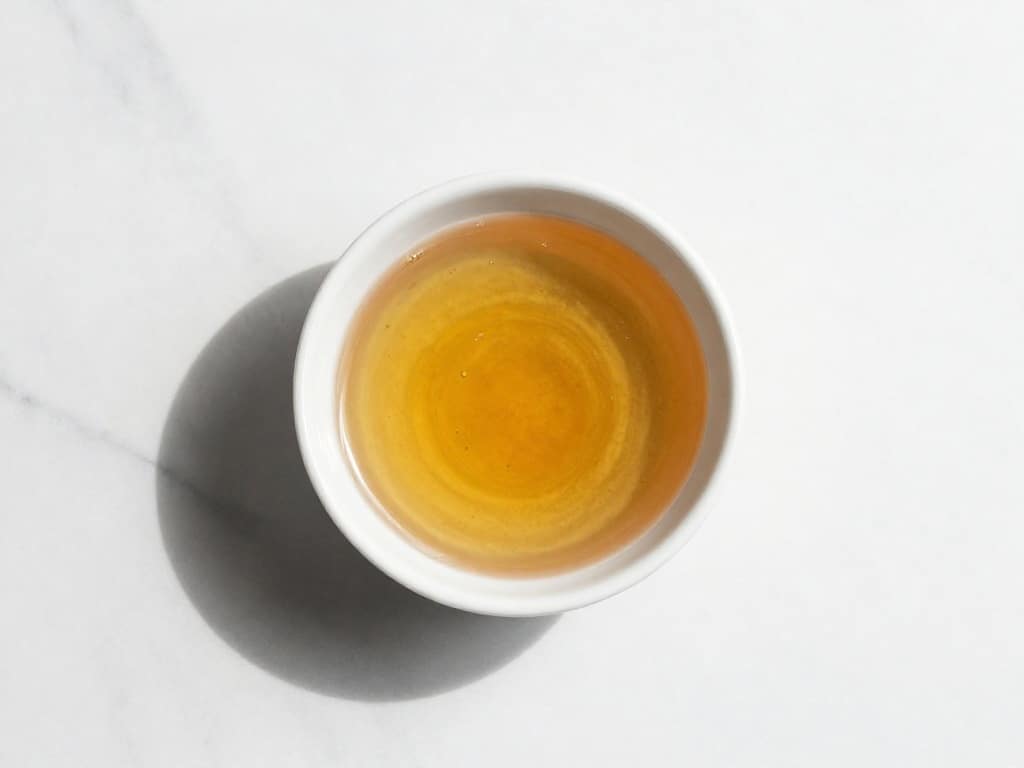
Honey brings a floral, lighter sweetness that sits in a different flavor neighborhood than treacle, but it performs reliably in savory marinades and dressings.
The 3:4 ratio means for every 3 tablespoons of treacle your recipe requires, you use 4 tablespoons of honey to approximate the same level of sweetness and moisture.
The color lands noticeably lighter than dark treacle, so honey works better as a stand-in for light treacle applications. In savory contexts like pan sauces with leafy sides such as braised greens, the floral note fades into the background and the sweetness carries well.
Reduce any additional sugar in the recipe by 1-2 teaspoon to avoid oversweetening the finished dish.
- Ratio: 3:4 (use more honey than the treacle amount called for).
- Flavor impact: Honey introduces floral notes that are minimal in savory dishes but more noticeable in desserts.
- Color: Lighter amber, not dark like treacle; the finished dish will look paler.
- Best savory uses: Marinades, dressings, and sweeter-sauce pairings like teriyaki-style glazes.
When swapping honey for treacle, reduce additional sugar by 1-2 teaspoon per serving to prevent the dish from tipping too sweet.
4. Maple Syrup - 1:1.5
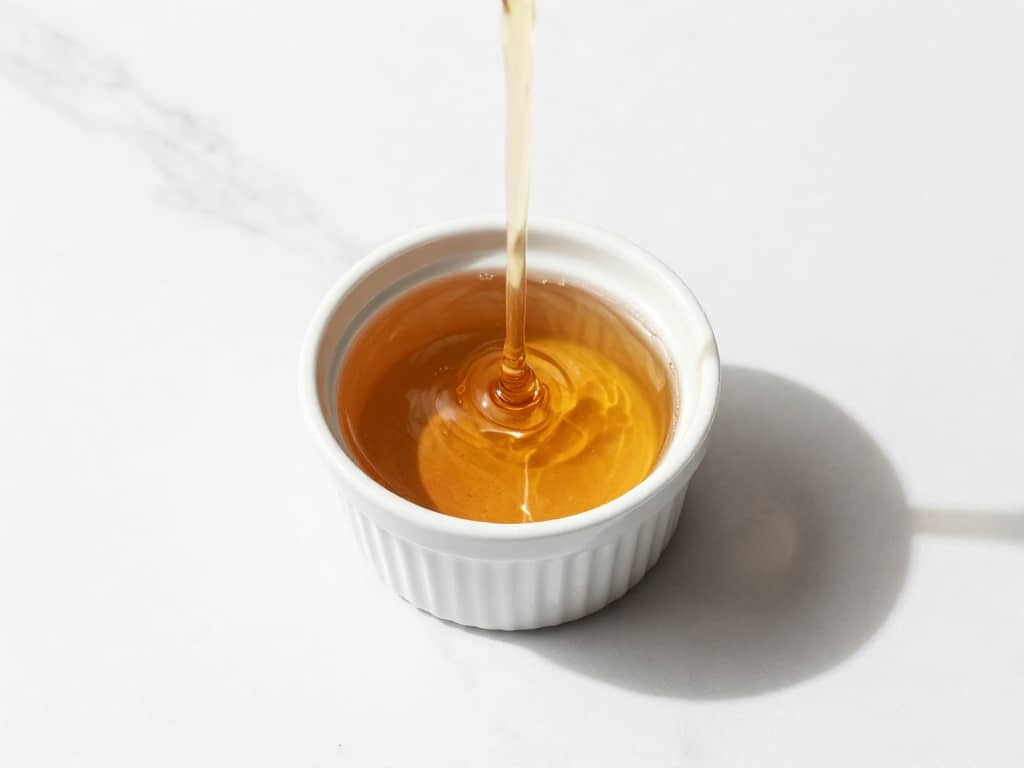
Maple syrup is thinner and lighter than treacle, which is why the ratio skews higher at 1:1.5. For every 1 tablespoon of treacle, use 1.5 tablespoons of maple syrup to match sweetness and maintain moisture in the recipe.
If you regularly work with alternatives for maple syrup itself, you already know how sensitive this sweetener is to overuse.
Maple provides a nuanced sweetness with a woody, warm aroma that complements pork and poultry glazes particularly well. It is also a strong performer in savory baked goods like whole-grain breads and flatbreads where moisture retention matters.
The color result is a medium amber, lighter than dark treacle but darker than honey.
- Ratio: 1:1.5 to compensate for maple's lower sweetness density.
- Aroma: Distinctly maple-forward; avoid in recipes where a neutral sweetener is needed.
- Moisture: Slightly thinner than treacle; reduce other liquids by about 1 teaspoon per tablespoon used.
- Best savory uses: Pork ribs, poultry glazes, and baked goods needing warmth and moisture.
Maple syrup is the best option for maple-accented savory sauces and glazes where a warm, woody sweetness is a welcome addition rather than a distraction.
5. Blackstrap Molasses - 1:1.25
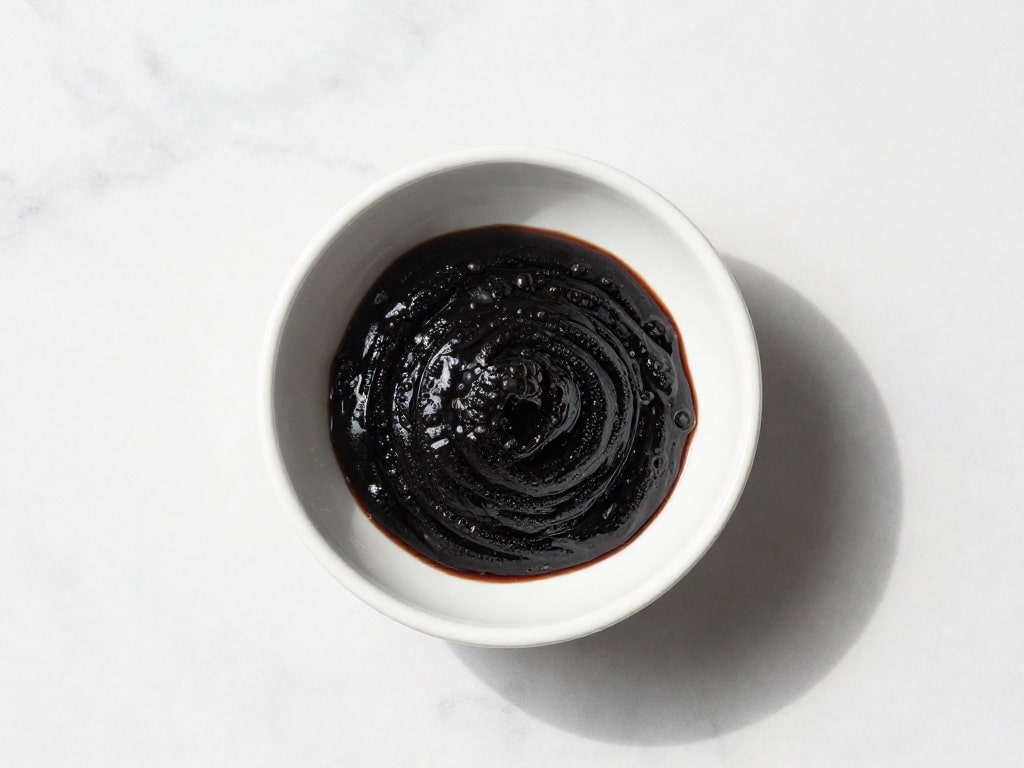
Blackstrap molasses is the most intense of all the options here. It is very robust, slightly bitter, and high in minerals like iron and calcium, which contribute to its distinctly sharp, almost medicinal edge.
The 1:1.25 ratio means you use a touch more than treacle to reach the same flavor impact, because blackstrap is so concentrated it can overwhelm a dish if used carelessly.
It markedly darkens the color of the finished dish, which can be an advantage in smoky baked beans or a thick stew that benefits from a near-black sauce. Pair it with salt, acid (like vinegar), or a small amount of brown sugar to soften its mineral bite.
In baked goods that already use whole-grain flour, the assertive flavor tends to integrate well, similar to how whole-grain flour alternatives absorb bold flavors more gracefully than refined options.
- Ratio: 1:1.25; start conservatively and add more to taste.
- Bitterness: Higher than both dark treacle and dark molasses; balance with acid or a small pinch of sugar.
- Color: Very dark; expect a near-black finish in the dish.
- Best savory uses: Hearty stews, baked beans, smoky barbecue sauces, and bean-based dishes.
Blackstrap molasses can easily overpower delicate sauces and lighter dishes. Always adjust salt and add a small amount of acid to bring the flavors back into balance.
How to Choose the Right Substitute?
The fastest way to pick a substitute is to decide on two things first: how dark and bitter you want the result, and what the dish can handle. Savory recipes like stews and glazes are far more forgiving than a delicate treacle tart or a lightly sweetened sauce.
Once you know those two parameters, the choice becomes straightforward.
- Closest to dark treacle: Use dark molasses 1:1 for the most accurate flavor match in color-forward and robust savory dishes.
- Closest to light treacle: Golden syrup 1:1 is a direct swap with virtually no adjustment required.
- Milder and less bitter: Honey (3:4) or maple syrup (1:1.5) both work well when you want a gentler sweetness without any molasses bitterness.
- Maximum savory depth: Blackstrap molasses at 1:1.25 delivers the boldest, most mineral-forward result, though it needs careful balancing with salt and acid.
- Baking flexibility: For grain-forward baked goods like dark breads, any of these substitutes integrate well, much like how alternative flours in baking absorb assertive flavors without fighting them.
- Marinade use: Both honey and golden syrup excel in marinades where clean sweetness is needed without bitterness complicating the other aromatics.




