Red bean paste tastes sweet, earthy, and gently nutty. Sugar arrives first, then the cooked adzuki bean flavor becomes clearer, and the finish can remind some people of chestnuts.
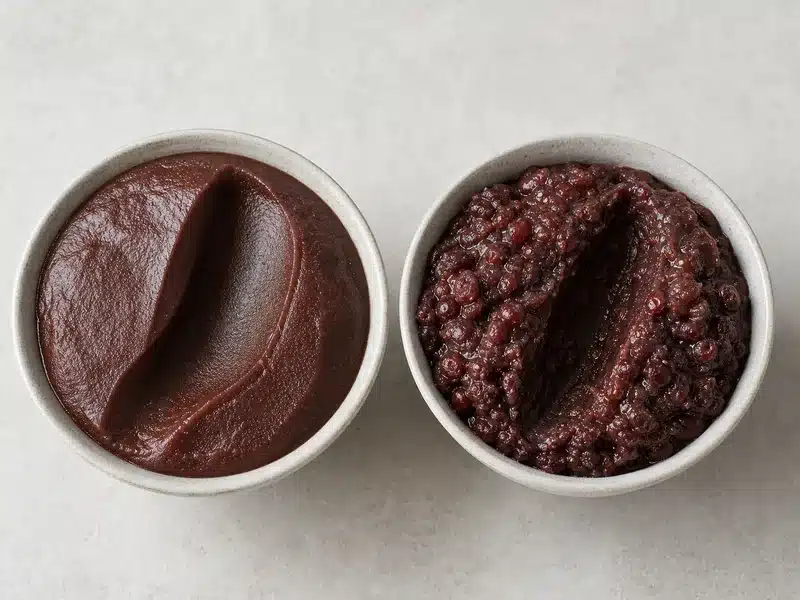
The texture changes the experience as much as the flavor. Smooth koshian feels creamy and evenly sweet, while chunky tsubuan keeps soft bean skins and tastes more clearly like beans.

Expect a sweet filling with a soft bean center, not a fruit jam. Smooth paste is the easiest first taste if you dislike bean skins, while chunky paste shows more adzuki character.
What Does Red Bean Paste Taste Like?
Red bean paste is made from cooked adzuki beans, sugar, and often a little salt. That short ingredient list produces a flavor that changes as you chew.
Adzuki gives anko its specific finish. If a recipe must be rebuilt without it, adzuki bean substitutes explain why another bean will change the flavor.
The opening is mostly sweet
Sugar dissolves quickly, so it reaches your tongue before the slower bean flavor. A commercial filling may taste close to candy at first, especially when it is warm.
The middle tastes cooked and earthy
The adzuki note appears after the first sweetness fades. It is milder and rounder than a savory bean dish because the paste has no onion, chile, or broth.
Some batches taste nutty, while others feel more starchy. The bean variety, cooking time, and amount of sugar all change how strongly this middle stage appears.
The finish can suggest chestnuts
A gentle roasted or chestnut-like note often remains after swallowing. A small amount of salt makes that finish feel fuller without making the paste taste salty.
Fresh paste should not taste sour, fermented, or sharply bitter. Those flavors do not belong to the normal sweet-earthy profile.
How Do Koshian and Tsubuan Differ?
Texture controls how long the bean flavor stays noticeable. Straining the skins creates smooth koshian, while leaving soft beans and skins creates chunky tsubuan.
Koshian feels smooth and uniform
The paste spreads across the tongue without skins or pieces. Sugar feels even from start to finish, which makes this style friendly for people who dislike bean texture.
Tsubuan keeps the bean visible
Soft pieces add a light chew and make the filling feel less like frosting. The adzuki flavor lasts longer because each piece releases as you bite.
Both styles can be equally sweet, so texture alone does not prove how much sugar is present. Check the label or taste a small amount before using the paste in a dessert.
How Do Sugar, Salt, and Temperature Change Red Bean Paste?
The same paste can taste different in a warm bun and a cold dessert. Warmth releases more aroma and makes the sweet bean note seem fuller.
Let refrigerated paste sit for a few minutes, then compare one cool bite with one room-temperature bite. Judge sweetness and earthiness only after both reach the same texture.
Cold dairy quiets the earthy edge and makes the paste feel less dense. That is why red bean ice cream can taste gentler than a spoonful from a jar.
More sugar covers the bean middle, while less sugar lets the cooked flavor stand forward. A pinch of salt creates contrast and can make a moderate amount of sugar taste richer.
Added vanilla or almond flavor can pull attention away from the beans. Almond extract substitutes may fit a baking recipe, but they do not recreate the natural taste of plain anko.
How Does Red Bean Paste Compare with Other Sweet Spreads?
Familiar spreads help set expectations, but none is an exact match. Red bean paste contains less fat than many nut spreads and lacks the fruit acid found in jam.
| Food | What feels similar | What tastes different |
|---|---|---|
| Fruit jam | Sweet and spreadable | Red bean paste has no bright fruit acidity |
| Chocolate spread | Dense dessert filling | No cocoa bitterness and much less fat |
| Marzipan | Nutty sweetness | Marzipan is firmer and strongly almond-like |
| Peanut butter | Roasted, earthy direction | Peanut butter is oilier and usually saltier |
Think of anko as a cooked bean filling sweetened for dessert. Calling it jam or frosting can create the wrong expectation for its starch and soft earthiness.
What Pairs Well with Red Bean Paste?
Choose a partner based on which side of red bean paste you want to notice. Rice dough and dairy soften it, while toasted seeds and bitter tea make the bean note deeper.
| Desired result | Pairing | What changes |
|---|---|---|
| Soften the bean note | Milk, cream, or ice cream | Fat and cold reduce the earthy edge |
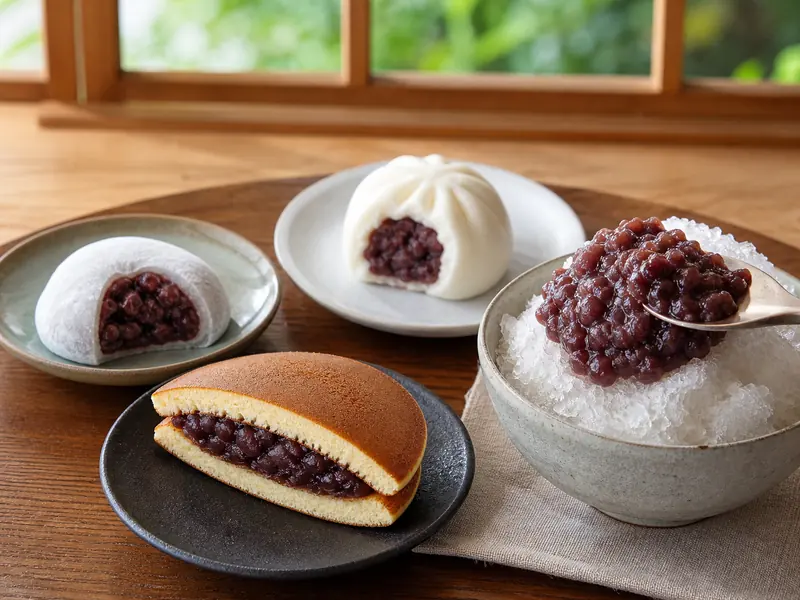
| Spread the sweetness | Mochi or steamed bun | Plain starch makes each bite less dense |
| Deepen nuttiness | Black sesame | Toasted seed flavor extends the finish |
| Counter the sugar | Matcha or unsweetened tea | Bitterness cleans up the sweet finish |
| Add fragrance | Coconut milk or toasted coconut | Coconut adds aroma without fruit acid |
A very sweet drink can make the filling feel flatter. Try unsweetened tea before a sweet matcha boba or Thai tea if you want to read the paste clearly.
Which Red Bean Paste Should You Try First?
If you prefer smooth fillings
Start with a thin layer of koshian inside dorayaki or a soft bun. Cake spreads the filling across several bites and keeps the dense paste from coating your mouth all at once.
If you enjoy chewy desserts
Choose a small piece of mochi with smooth red bean paste. The rice dough adds chew while the filling stays soft, so the two textures remain easy to separate.
If you want the mildest bean flavor
Try red bean ice cream or a small scoop of paste with plain vanilla ice cream. Cold dairy lowers the aroma and gives the sweetness more space.
Ube is also earthy and sweet, but its vanilla-like aroma is different. The guide to ube ice cream taste helps separate those two dessert flavors.
If you are curious about the bean itself
Taste half a teaspoon of room-temperature tsubuan, then follow it with plain tea. The pieces make the adzuki flavor obvious without asking you to finish a large dessert.
A spoonful straight from the jar is the strongest and densest introduction. Start small because a big portion can make the paste seem sweeter and heavier than it feels inside pastry.
Sources
These sources support the adzuki base and the distinction between smooth and chunky Japanese red bean paste.
- Just One Cookbook: Anko red bean paste
- Kikkoman: Sweet azuki bean paste
- Japan Ministry of Agriculture: Sweet red bean preparation
Frequently Asked Questions
No. It has a mild cooked-bean center, but sugar, soft texture, and the lack of savory seasoning make it taste like a dessert filling.
It can be. Commercial paste often tastes sweeter than homemade paste, and a thin pastry filling feels less sweet than a spoonful by itself.
No. Both can be dense and sweet, but red bean paste has no cocoa bitterness and tastes earthier and less fatty.
No. Tapioca gives starch and chew with very little flavor, while red bean paste brings the filling's main taste. See how tapioca flour substitutes behave in recipes that need starch.
It has a light cooked-bean and nutty aroma. Warm paste smells fuller, while cold paste can smell faint even when it is fresh.

Carrie is a food writer and editor with more than 15 years of experience. She has worked for some of the biggest names in the food industry, including Bon Appétit, Food & Wine, and Martha Stewart Living.
As the Editor in Chief of EpicureDelight, Carrie oversees all of the content on the site. She also manages the team of contributing writers and editors, who help to create delicious recipes, helpful tips, and informative articles that you’ll find on the site.
A native of the Chicago area, Carrie is passionate about all things food. She loves trying new restaurants and experimenting with new recipes in her kitchen. She’s also a graduate of the Culinary Institute of America, so she knows a thing or two about food!