
That unmistakable floral lift in a St-Germain spritz isn't just sweetness. It's elderflower doing what no simple syrup can replicate on its own.
When you need a st germain liqueur substitute, the goal is to preserve that perfume-like aroma first, then balance the sweetness second. Most substitutes stumble because they treat St-Germain as a generic sweet liqueur.
It isn't.
St-Germain is elderflower-forward with a light, golden body. The best swaps either carry true elderflower character or mimic its soft, fruity floral effect closely enough that your drink or recipe still sings.
The best St-Germain liqueur substitutes lead with elderflower flavor, not just sweetness. Elderflower cordial is the closest match. Elderflower syrup works well but runs sweeter. Lychee syrup, dry sherry with honey, and white grape juice with elderflower tea cover fruity, boozy, and alcohol-free directions.
5 Best St Germain Liqueur Substitutes That Taste Right
The table below maps each substitute to its flavor direction and best use. Every ratio is a starting point.
Taste after mixing, because swapping herbal liqueurs always rewards a second adjustment. If you want a different kind of floral liqueur comparison, bergamot-forward options are worth a look too.
| # | Substitute | Best For | Ratio | Key Note |
|---|---|---|---|---|
| 1 | Elderflower Cordial | Both | 1:1 | Dilute if very sweet |
| 2 | Elderflower Syrup | Both | ¾:1 | Thicker, start lower |
| 3 | Lychee Syrup | Both | ¾:1 | Add citrus to sharpen |
| 4 | Dry Sherry + Honey | Cocktails | 1:1 | Alcoholic; adds body |
| 5 | White Grape Juice + Elderflower Tea | Both | 1:1 | Non-alcoholic option |
1. Elderflower Cordial
Elderflower cordial is the most direct swap available. It carries the same floral identity as St-Germain, just without the alcohol and usually with a brighter, more concentrated sweetness.
Start at a 1:1 ratio, then taste before committing. If your cordial is very sweet, pull back by 20-30% and add water to compensate the volume.
- For cocktails: Use at ¾ strength cordial to ¼ water; this mimics the dilution that alcohol provides in liqueur form.
- For baking: Use full-strength cordial when the recipe already has little added sugar; reduce by 20% if your bake is already sweet.
- Checking quality: Your cordial should smell noticeably floral when you open the bottle. A flat or syrupy-sweet smell means the elderflower character is weak.
Skip if: your cordial tastes more like sweet tea than flowers. A weak cordial just adds sugar without the aroma St-Germain provides.
2. Elderflower Syrup
Elderflower syrup is similar to cordial but usually thicker and noticeably sweeter. That density is its main trap.
Use too much and your cocktail or cake reads as candy, not floral.
Start at ¾ of the called-for St-Germain amount, then adjust up only after tasting. If you cook with other liquid sweetener options, you already know how much easier it is to add than to remove.
- Cocktails: Pair with a squeeze of lemon or a splash of sparkling water to cut the sugar and let the floral note breathe.
- Baking: Whisk syrup directly into wet ingredients before mixing in dry. This prevents dense pockets of sweetness in the finished bake.
- Adjusting thickness: If your syrup is very thick, stir in 1-2 teaspoon of warm water per tablespoon of syrup before using it.
Skip if: your syrup smells "perfume-heavy" or has added rose, lavender, or spice. Those additions will overpower rather than approximate elderflower.
3. Lychee Syrup
Lychee syrup won't smell like elderflower, but it has a similar soft, floral-fruit character that works surprisingly well when true elderflower products aren't available. The aroma is rounder and more tropical, but in cocktails it reads as "delicate" in the same way St-Germain does.
Start at ¾ of the St-Germain amount. Lychee syrup is almost always sweeter and more one-dimensional than cordial, so a small squeeze of lemon or a pinch of salt helps it read more liqueur-like and less like canned fruit syrup.
If you enjoy working with choosing fruity liqueur swaps, lychee fits the same direction.
Lychee Syrup
Works for: cocktails needing a soft floral-fruit note, light bakes, spritzers
Skip if: your dish already has strong lychee or rose flavors-you'll over-saturate the aromatics
- Citrus fix: Add ¼ teaspoon fresh lemon juice per tablespoon of lychee syrup to sharpen the aroma.
- Salt trick: A small pinch of salt (just a few grains) rounds out the sweetness and keeps it from reading as flat fruit.
4. Dry Sherry + Honey
Dry sherry isn't trying to taste like elderflower. What it does is replicate the body and subtle complexity that St-Germain brings to a cocktail, especially in shaken or stirred builds where mouthfeel matters.
Add a small amount of honey for sweetness, and the combination holds up in most drink applications. Check out sherry-based swaps if you need further variation.
Use a 1:1 ratio for the sherry, then stir in honey in small increments. One teaspoon per cup of total liquid is a good place to start.
Taste and add more only if needed. Honey flavor profiles vary by type, so a light acacia or clover variety will blend more cleanly than a dark buckwheat.
| Use | Ratio | Notes |
|---|---|---|
| Stirred cocktail | 1:1 sherry + 1 teaspoon honey/cup | Stir gently; don't over-dilute with ice |
| Shaken cocktail | 1:1 sherry + 1.5 teaspoon honey/cup | Shaking aerates; honey integrates easily |
| Spritz / long drink | ¾:1 sherry + 1 teaspoon honey/cup | Top with sparkling water to lighten body |
- Choosing sherry style: Fino or manzanilla are drier and lighter; use these when St-Germain plays a background role in the drink.
- Honey amount: Start with 1 teaspoon per cup, taste, and add ½ teaspoon at a time. More than 2 teaspoon per cup and it begins to cloy.
- Winey note: If the sherry reads too strongly of wine, add a small splash of water and let it rest two minutes before tasting again.
Skip if: you need a non-alcoholic substitute. Sherry is fully alcoholic and will change both the alcohol content and the flavor base of the recipe.
5. White Grape Juice + Elderflower Tea
This combination is the best alcohol-free option on the list, especially for baking and alcohol-free spritzes. The white grape juice provides natural sweetness and a light, neutral fruit base.
The elderflower tea does the heavy lifting on aroma.
Brew the tea strong. It should smell clearly floral before you even mix it. The grape variety choice matters slightly here-white grape juice is milder and won't fight the floral tea the way a more assertive grape might.
Use the combined mixture at a 1:1 ratio replacing St-Germain, and chill it before mixing so the carbonation or delicacy of your drink isn't lost to heat.
- Steep time: Brew elderflower tea for 5-7 minutes in hot water, then cool completely. A longer steep (8-10 min) gives a stronger floral note but can turn slightly bitter.
- Blend ratio: Mix 2 parts elderflower tea to 1 part white grape juice for a more floral result; flip to 1:1 for a sweeter, fruitier mix.
- In baking: Replace St-Germain with the blended mixture at full volume, stirring into wet ingredients before adding dry. The tea aroma survives baking better than you'd expect.
Skip if: your elderflower tea smells grassy, medicinal, or bitter before you even mix it. Bad tea makes the whole combination taste off.
Making St Germain Liqueur Substitutes Work
The method is straightforward: match aroma first, then sweetness. A substitute that smells right in the bottle will usually taste right once balanced.
If you're replacing St-Germain in baking, work the substitute into your wet ingredients fully before combining with dry. If you're building a cocktail, picking the right liqueur direction matters as much as the ratio.
And if you're not sure you have enough floral character, a small extra splash of elderflower cordial or chilled tea can course-correct quickly without blowing out the sweetness.
- Taste twice: Taste your substitute before mixing, then again after dilution or resting. Floral aromatics open up as the liquid settles, so what tastes flat at first may be just right after two minutes.
- Cocktail fix: If the substitute reads too sweet, add sparkling water and a citrus squeeze rather than trying to balance with more alcohol or bitters.
- Baking fix: If your bake comes out of the oven with a "flat sweet" note and no floral character, brush the warm surface with a thin wash of elderflower cordial diluted with water. It revives the aroma effectively.
Frequently Asked Questions
Start at ¾ of the called-for amount, not 1:1. Elderflower syrup is usually sweeter and thicker than St-Germain, so a straight swap often oversweetens the recipe.
White grape juice blended with strongly brewed elderflower tea works best. Use it at a 1:1 ratio and chill before mixing to keep the aroma sharp.
Not always. Syrups and cordials behave differently under heat than in cold cocktails. In baking, dissolve the substitute fully into wet ingredients and expect a slightly softer floral note.
Add citrus juice or sparkling water rather than more liquid sweetener. A small squeeze of lemon can balance sweetness faster than diluting with plain water.
No. Sherry works in cocktails that need body and complexity, but it won't replicate elderflower flavor. Skip it entirely for baking or any recipe where floral aroma is the point.
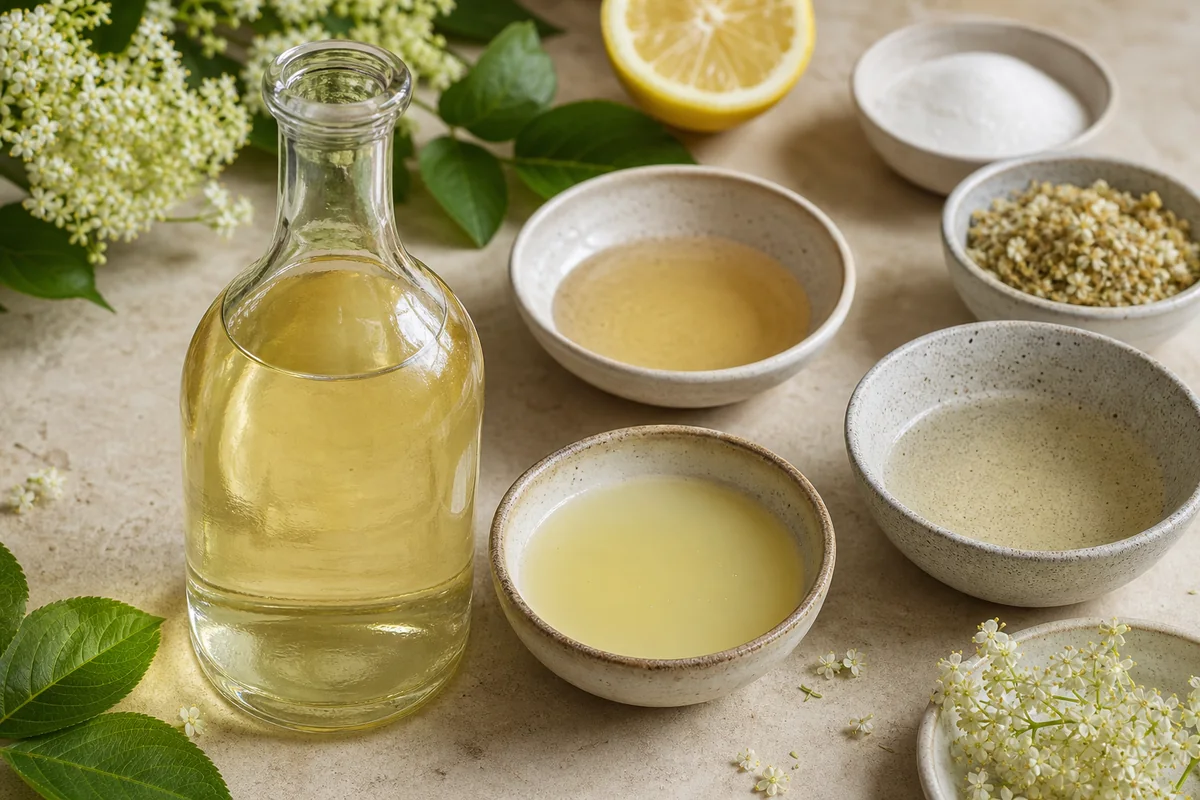
5 Best St Germain Liqueur Substitutes That Taste Right
Ingredients
Equipment
Method
- Choose a substitute based on the flavor driver: floral (elderflower cordial/syrup) vs fruity (lychee) vs complex body (dry sherry).
- Use the ratio listed as your starting point, then taste—especially for syrups (often sweeter/thicker than liqueur).
- For cocktails, stir gently and add citrus or sparkling water to open the aroma; for baking, dissolve fully into wet ingredients before combining dry.
- If the substitute lacks floral character, add a small extra splash of elderflower cordial/tea rather than increasing citrus too much.
- If it’s too sweet, dilute with water or replace part of the liquid with sparkling water or unsweetened juice.
Notes
- St-Germain is an elderflower liqueur: aim for floral aroma + balanced sweetness.
- Adjust sweetness first (syrups vary widely), then adjust floral intensity.
Tried this recipe?
Let us know how it was!
Carrie is a food writer and editor with more than 15 years of experience. She has worked for some of the biggest names in the food industry, including Bon Appétit, Food & Wine, and Martha Stewart Living.
As the Editor in Chief of EpicureDelight, Carrie oversees all of the content on the site. She also manages the team of contributing writers and editors, who help to create delicious recipes, helpful tips, and informative articles that you’ll find on the site.
A native of the Chicago area, Carrie is passionate about all things food. She loves trying new restaurants and experimenting with new recipes in her kitchen. She’s also a graduate of the Culinary Institute of America, so she knows a thing or two about food!



