
Eggs do a lot of work in a cake mix. They bind the batter, add moisture, and help the cake rise.

When you need to skip them, mashed banana is one of the most practical and pantry-friendly swaps you can reach for.
The standard rule is straightforward: use ¼ to ⅓ cup of banana puree per egg you are replacing. That range gives you room to adjust based on how ripe your banana is and how moist you want the final crumb.
Banana works especially well in naturally sweet cake mixes where a little extra flavor depth is welcome rather than distracting. Chocolate, spice, and carrot cake mixes all absorb the banana note without letting it dominate.
The tradeoffs are real, though. Banana adds moisture and density, so your cake will bake up a little heavier than the egg version.
Rise is also slightly reduced, since banana cannot replicate the full lift that a whole egg provides.
Knowing those limits upfront means you can choose the right banana-based method for your mix and avoid a soggy or flat result. The substitutes below cover four practical approaches, from straight banana puree to flax-boosted vegan options.
Replace each egg with ¼ to ⅓ cup mashed ripe banana. Banana adds moisture and binding but reduces lift and carries a mild banana flavor. It is best suited for chocolate, spice, and banana-friendly cake mixes. Adjust quantity if batter feels too dense or too wet.
Substitutes at a Glance
Before going into the detail of each method, this table gives you a fast reference for the five banana-based options covered in this article. Pick the row that matches your mix type and desired texture, then follow the full explanation in the corresponding section below.
The table uses standard volume measurements so you can scale up easily for multi-egg recipes. If a box mix calls for two eggs, simply double the banana amount listed in the ratio column.
| # | Substitute | Ratio | Best For | Taste Match |
|---|---|---|---|---|
| 1 | Banana puree (plain) | ¼ cup per egg | Chocolate, spice, banana cake mixes | Close, mild banana note |
| 2 | Banana mash (chunkier) | ⅓ cup per egg | Dense, hearty mixes like carrot or nut cake | Mild, slightly fruity |
| 3 | Banana puree + cornstarch | ¼ cup puree + 1 tablespoon cornstarch per egg | Mixes needing more structure and stability | Close, firmer crumb |
| 4 | Banana puree + yogurt | ¼ cup puree + 2 tablespoon plain yogurt per egg | Vanilla and lighter cake mixes | Mild banana with tangy edge |
| 5 | Banana puree + flax egg | ¼ cup puree + 1 tablespoon ground flax + 3 tablespoon water per egg | Vegan mixes, hearty or spice cakes | Earthy, mild banana |
Save This for Later
Pin this how to replace eggs with bananas in cake mix? guide so you always have it when you need it.
Pin This GuideBanana Substitutes in Detail
Each method below covers the exact prep steps, texture expectations, and the specific cake mixes where it performs best. Start with the substitute that fits your mix type, then use the troubleshooting tips in Section 7 if the batter needs adjusting.
1. Banana Puree
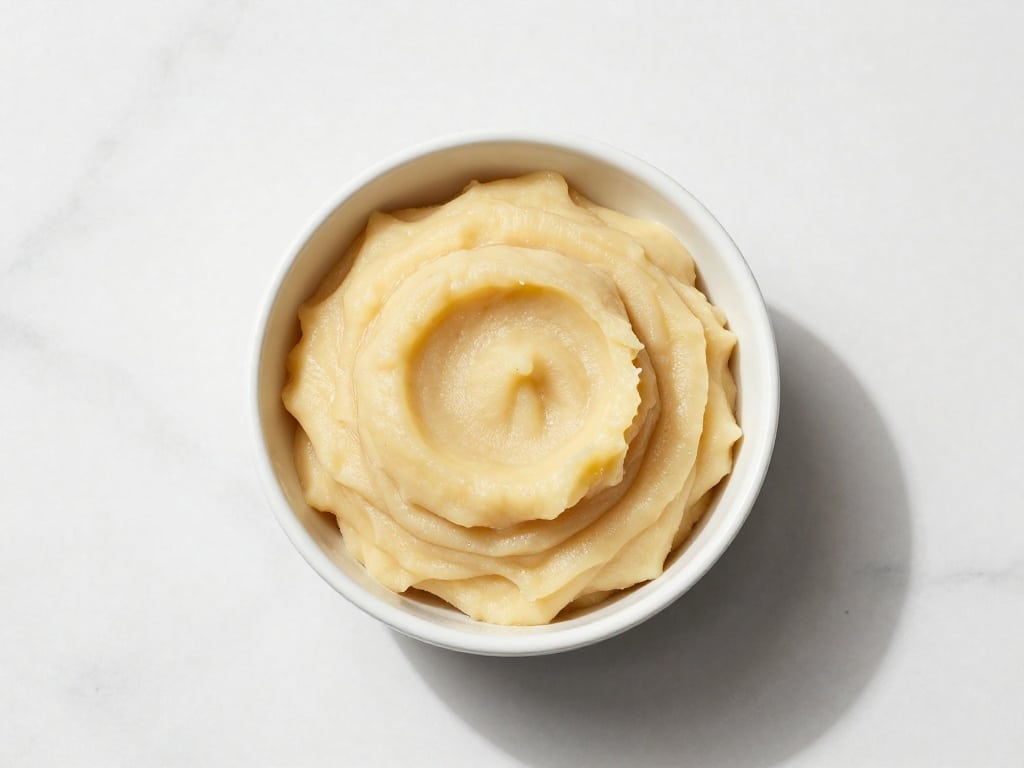
Straight banana puree is the simplest starting point. Mash one ripe banana until completely smooth, measure out ¼ cup, and use it in place of one egg.
Ripe bananas mash more easily and carry more natural sweetness, which means you may want to reduce added sugar by about one tablespoon per egg replaced.
The puree adds significant moisture, so expect a denser, more tender crumb than the original mix produces. Bake time may shorten by 3 to 5 minutes, so start checking with a toothpick a few minutes early.
The banana aroma is noticeable but stays gentle in deeply flavored mixes like chocolate or cinnamon spice.
Banana puree is the best first choice for chocolate banana, banana nut, and spice cake mixes. It delivers reliable moisture and binding with a gentle, complementary aroma.
2. Banana Mash (Chunkier Texture)
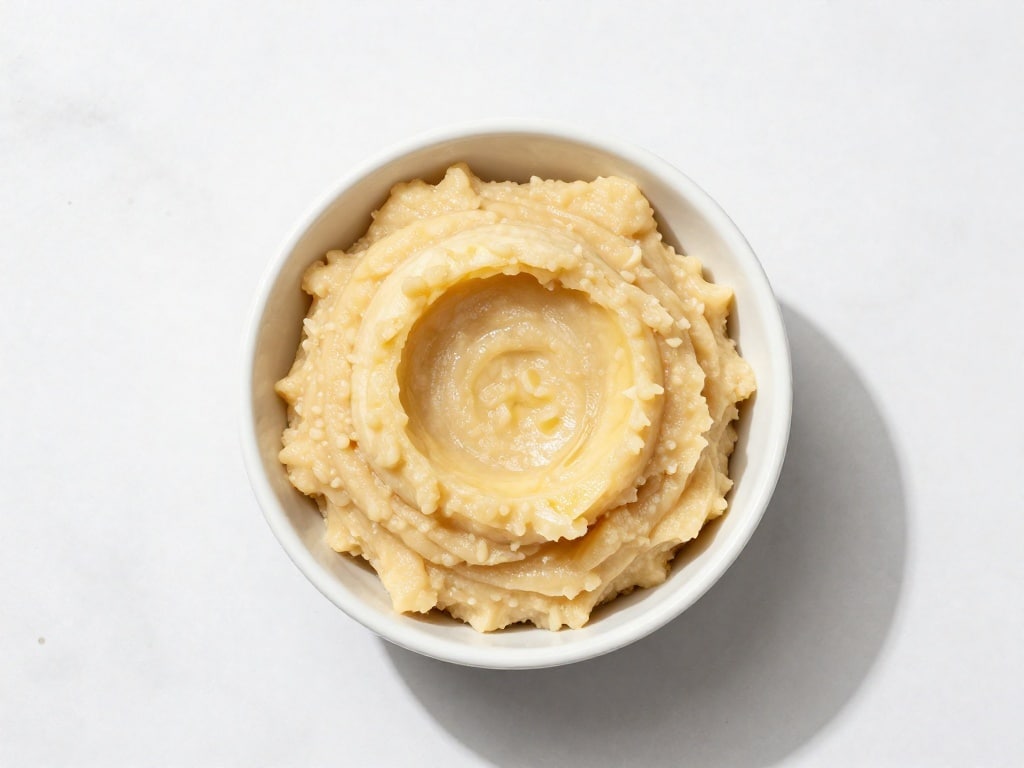
A slightly chunkier mash uses ⅓ cup per egg and works well when you want more banana presence in the final crumb. This version is less smooth than puree, which creates small pockets of moist banana throughout the slice.
It is a good match for hearty mixes like carrot cake or banana nut loaves where a rustic texture is part of the appeal.
Because the volume is slightly higher than plain puree, monitor batter consistency carefully. If it looks looser than the standard mix description, reduce the banana by one tablespoon and compensate with an extra tablespoon of a neutral flour alternative to firm up the structure.
The flavor profile leans slightly more fruity than smooth puree.
Use chunky mash only in dense, hearty mixes. Light or airy cake mixes do not absorb the extra moisture evenly, which leads to gummy pockets in the finished slice.
3. Banana Puree with Cornstarch
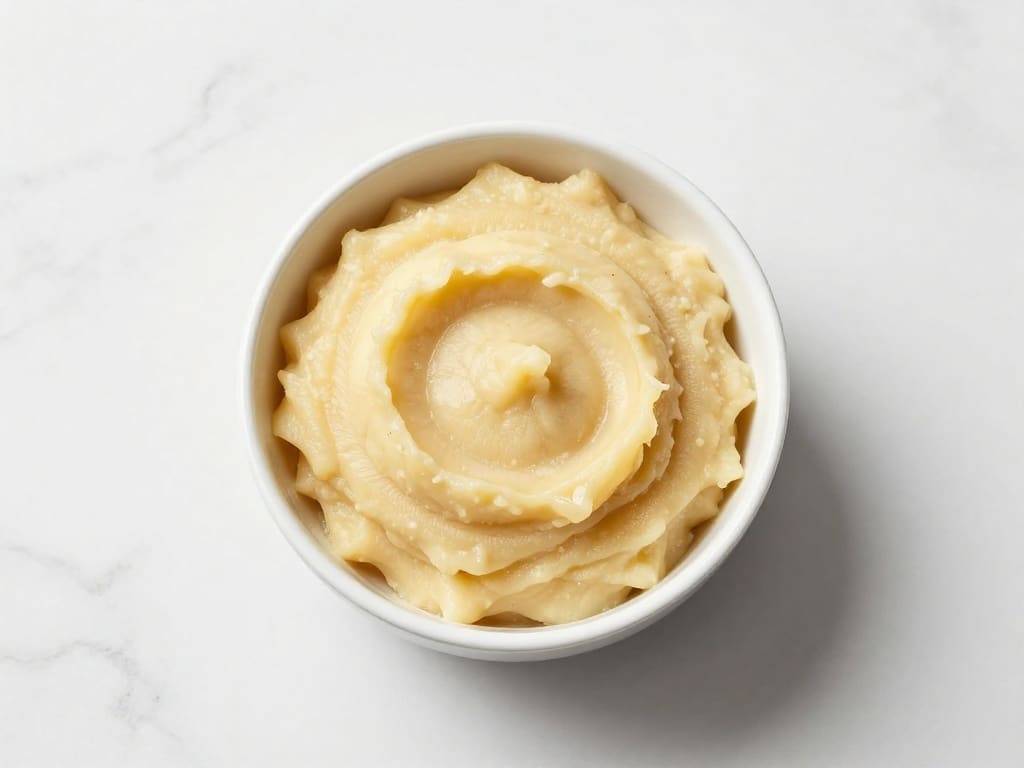
Adding 1 tablespoon of cornstarch to ¼ cup of banana puree gives the substitute more structural integrity. Cornstarch mimics some of the binding and firmness that egg whites contribute, which is particularly helpful in mixes that already lean toward a soft, collapsible crumb.
Whisk the cornstarch directly into the measured puree before folding it into the batter.
The result is a slightly firmer crumb with a clean slice edge. The banana flavor is still present, though the starch tempers the sweetness slightly.
This method suits cake mixes that need a more structured crumb, such as pound cake or dense vanilla mixes. You can substitute plain flour in a pinch, though you will need 1.5 tablespoons of flour to achieve the same thickening effect as one tablespoon of cornstarch.
The banana-plus-cornstarch combo trades a slightly more pronounced banana flavor for a noticeably more stable crumb. Use it when clean slicing matters more than a light, airy texture.
4. Banana Puree with Yogurt
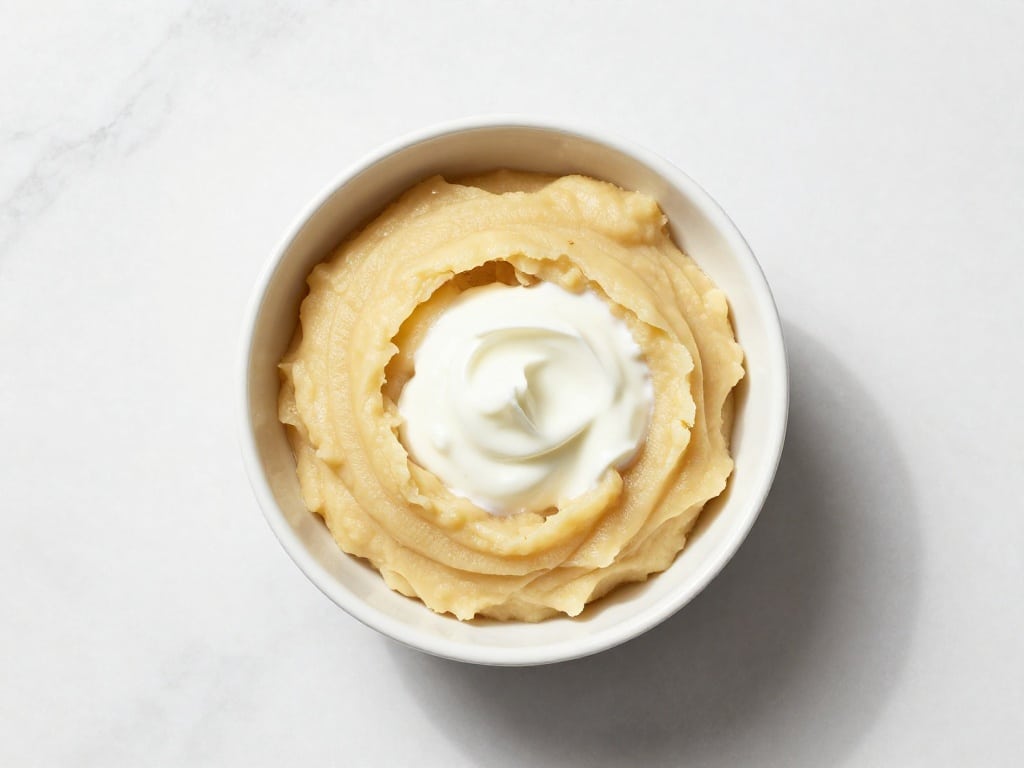
Blending ¼ cup banana puree with 2 tablespoons of plain yogurt creates a substitute that tempers the banana flavor with a subtle tang. The yogurt introduces mild acidity, which can actually boost lift slightly when the mix contains baking soda, since acid and soda react to produce carbon dioxide.
Always choose plain yogurt rather than flavored, so you control the flavor profile precisely.
This combination works especially well with vanilla and lemon cake mixes, where a bright, slightly tangy note complements the base flavor without competing. For a Greek yogurt option, reduce the amount to 1.5 tablespoons since Greek yogurt is thicker and more acidic than regular plain yogurt.
Do not reduce added sugar based on the yogurt alone; banana still brings sweetness, so taste the batter before adjusting.
The banana-yogurt blend is ideal for vanilla cake mixes where you want less banana presence and a slightly brighter crumb. It is also a reliable option when the mix already includes sour cream or buttermilk as listed ingredients.
5. Banana Puree with Ground Flaxseed (Vegan Option)
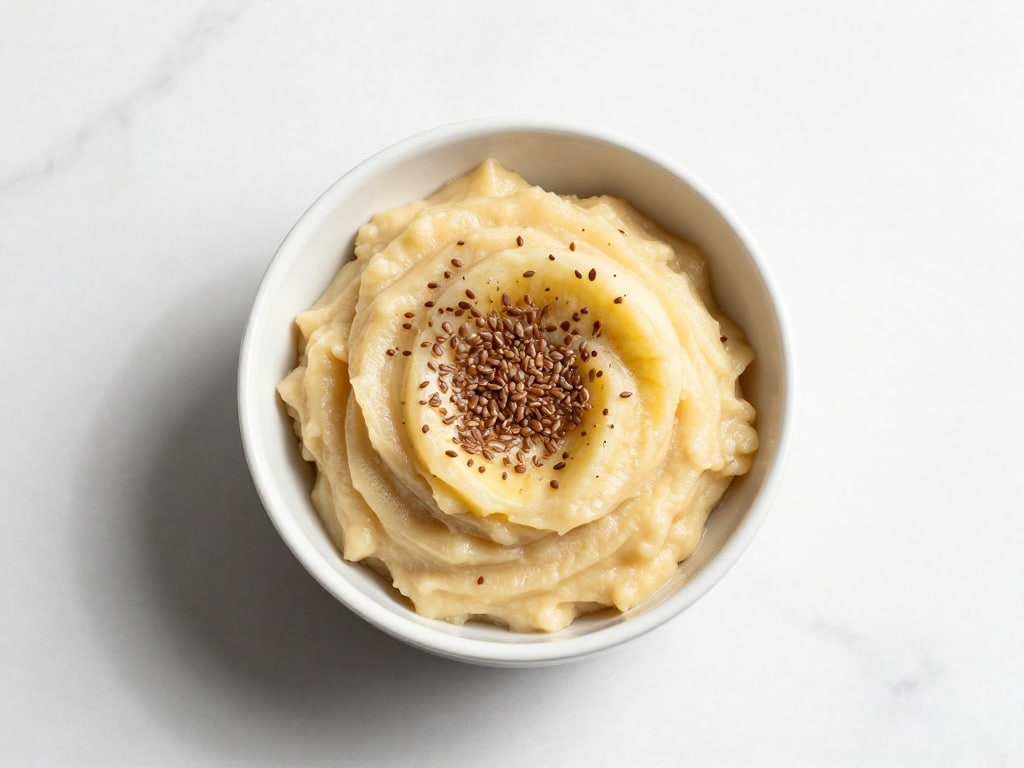
For a fully vegan substitution, combine ¼ cup banana puree with a prepared flax egg. To make the flax egg, mix 1 tablespoon of ground flaxseed with 3 tablespoons of water and let it sit for 5 minutes until it thickens into a gel.
Then stir that gel into your banana puree before adding both to the batter.
The flaxseed provides additional binding that banana alone cannot deliver in egg-free recipes, making the combo sturdier than straight puree. The crumb will be slightly coarser and denser than a conventional egg result, which is fine for hearty spice cakes, carrot cake mixes, or mixes that already use a dairy substitute.
Flaxseed adds a faint earthy note, though it is subtle when banana and warm spices are present in the mix. Ground flaxseed is preferable to whole seeds here; whole seeds do not hydrate properly and leave a gritty texture.
The flax-banana combo produces a coarser crumb than other methods. Do not use it in light, delicate mixes like white cake or angel food; it is best reserved for hearty, dense cakes.
How to Choose the Right Substitute?
The fastest decision comes down to two questions: how much banana flavor is acceptable, and how dense can the final crumb be? Use the guide below to narrow the choice before you start mixing.
- Maximum banana flavor is fine: Use straight banana puree at ¼ cup per egg. This is the lowest-effort option and works in most chocolate and spice mixes.
- You want less banana presence: Go with the banana-yogurt blend. The tang from plain yogurt softens the banana note noticeably, especially in lighter mixes.
- The crumb needs to hold its shape: Add cornstarch to the puree. One tablespoon per ¼ cup of banana gives you a firmer, cleanly sliced result.
- The recipe must be fully vegan: Use the banana-flax egg combo. Prepare the flax gel first, then stir it into the puree before folding into the batter.
- Batter is too dense after mixing: Increase banana puree by 1 to 2 tablespoons to loosen the batter slightly. If it turns too wet, pull back by the same increment.
Some sugar-heavy cake mixes already run on the moist side, so start with the lower end of the banana range (¼ cup) and assess consistency before adding more. A good batter should fall off a spatula in a thick ribbon, not pool or clump.
Match your substitute to the mix type. Use plain puree for chocolate and spice, puree plus yogurt for vanilla and lighter mixes, puree plus cornstarch for structure, and the flax-banana combo for vegan recipes. Adjust by 1-2 tablespoons if batter consistency is off.
Storage, Stability, and Troubleshooting
Banana-based batters are more perishable than standard egg batters because ripe banana oxidizes quickly. Mix and bake on the same day when possible, and do not leave prepared batter at room temperature for more than 2 hours.
Baked cakes freeze well for up to one month if wrapped tightly in plastic and sealed in a freezer bag.
| Item | Storage Method | Shelf Life |
|---|---|---|
| Unbaked banana-substitute batter | Covered bowl in refrigerator | Up to 24 hours |
| Baked cake (room temperature) | Airtight container, cool location | 2–3 days |
| Baked cake (frozen) | Wrapped tightly, sealed freezer bag | Up to 1 month |
- Refrigerated batter: Cover tightly and use within 24 hours. Banana oxidation will darken the batter slightly, which is cosmetic and does not affect flavor.
- Frozen batter: Portion into muffin tins or small containers before freezing for easier single-use thawing. Thaw overnight in the refrigerator before baking.
- Baked slices: Wrap individual slices before freezing so you can thaw one at a time without exposing the whole cake to repeated temperature changes.
- Spoilage signs: A sour or fermented smell, visible mold, or slimy surface on the batter means it has turned. Do not bake spoiled batter.
Quick Flavor Harmony Tips
Banana carries a distinct aroma that can occasionally feel out of place in mixes with very neutral or floral base flavors. A few simple additions bring the overall flavor into better balance without masking the banana entirely.
- Add vanilla extract: One teaspoon of pure vanilla extract in any banana-substituted batter softens the banana note and rounds the overall flavor profile.
- Add a pinch of cinnamon: Half a teaspoon of cinnamon works particularly well with chocolate cake mixes, creating a warm, harmonious background note alongside the banana.
- Use brown sugar instead of white: If your mix allows sugar adjustment, swapping white sugar for brown sugar adds a molasses depth that complements banana naturally. Recipes that already use acidic flavor components benefit from this swap most.
For chocolate cake mixes, add 1 teaspoon vanilla and ½ teaspoon cinnamon alongside your banana substitute. These two additions blend the banana note seamlessly into the chocolate base without any extra effort.
Frequently Asked Questions
Can I use overripe bananas in all substitutions?
Yes. Overripe bananas are actually preferred because they mash more smoothly and carry more natural sugar, which means less adjustment to the mix's sweetness level.
Will banana substitutions affect crumb size or rise in angel food cake?
Yes, significantly. Banana cannot replicate the whipped egg whites that give angel food cake its lift and open crumb. Do not use banana as an egg substitute in angel food cake mixes.
Are there substitutions that preserve egg-free lightness better than banana?
Aquafaba (liquid from canned chickpeas) whips into a foam and produces a lighter crumb than banana, making it a better egg substitute for delicate or airy cake mixes.
How do I scale substitutions for a larger cake mix batch?
Multiply the banana amount by the number of eggs the recipe calls for. A three-egg mix needs ¾ cup of banana puree using the ¼ cup per egg ratio.
What is the best substitute if I do not want any banana flavor?
Unsweetened applesauce at ¼ cup per egg is the closest neutral alternative, delivering similar moisture and binding without the banana aroma. Pureed alternatives that are flavorless work on the same moisture-binding principle.
How to Replace Eggs with Bananas in Cake Mix?
Ingredients
Equipment
Method
- Choose your substitute based on the cake mix type and how much banana flavor is acceptable. Use plain puree for chocolate and spice mixes, the yogurt blend for vanilla mixes, and the flax option for vegan recipes.
- Prepare the substitute as directed: mash ripe bananas until smooth for puree, mix cornstarch or yogurt directly into the measured puree, or prepare flax egg by combining ground flax with water and waiting 5 minutes before combining with banana puree.
- Apply the substitution ratio carefully. Use ¼ cup banana puree per egg as a starting point, then adjust by 1 to 2 tablespoons based on batter consistency. Batter should fall from a spatula in a thick ribbon.
- Taste and adjust before baking. Banana adds sweetness, so reduce added sugar by about 1 tablespoon per egg replaced if the mix is already sweet. Add vanilla extract or cinnamon to harmonize banana flavor if needed.
Notes
- Use ripe or overripe bananas for smoother puree and better natural sweetness.
- Do not leave banana-substituted batter at room temperature for more than 2 hours.
- Baked cakes using banana substitutes can be frozen for up to 1 month if wrapped tightly.
Tried this recipe?
Let us know how it was!
Carrie is a food writer and editor with more than 15 years of experience. She has worked for some of the biggest names in the food industry, including Bon Appétit, Food & Wine, and Martha Stewart Living.
As the Editor in Chief of EpicureDelight, Carrie oversees all of the content on the site. She also manages the team of contributing writers and editors, who help to create delicious recipes, helpful tips, and informative articles that you’ll find on the site.
A native of the Chicago area, Carrie is passionate about all things food. She loves trying new restaurants and experimenting with new recipes in her kitchen. She’s also a graduate of the Culinary Institute of America, so she knows a thing or two about food!



