What to Serve with Filet Mignon? 12 Must-try Side DishesFilet mignon is the most tender cut on the entire steer, taken from the small end of the tenderloin where the muscle does almost no work.
That tenderness is also its one limitation as a standalone plate. It has a mild, buttery flavor that needs a well-chosen side to round out the meal.
The good classics exist for a reason. Rich mashed potatoes, crispy roasted vegetables, and velvety creamed spinach all hold their own next to a perfectly seared filet without stealing the spotlight.
We put together 12 sides that actually belong on this plate, ranging from a simple beef tenderloin pairing standby like garlic mashed potatoes to a crowd-pleasing chocolate dessert that closes the meal strong.
Every option below can be prepped without stress, and most pair just as well with a casual weeknight steak as they do with a formal dinner party spread.
Filet mignon pairs best with sides that complement its buttery, mild flavor without overwhelming it. Top picks include garlic mashed potatoes, roasted Brussels sprouts with bacon, creamed spinach, and green beans almondine. Rich, starchy, or lightly acidic sides work especially well alongside this tender cut.
12 Best Side Dishes for Filet Mignon
1. Roasted Brussels Sprouts with Bacon
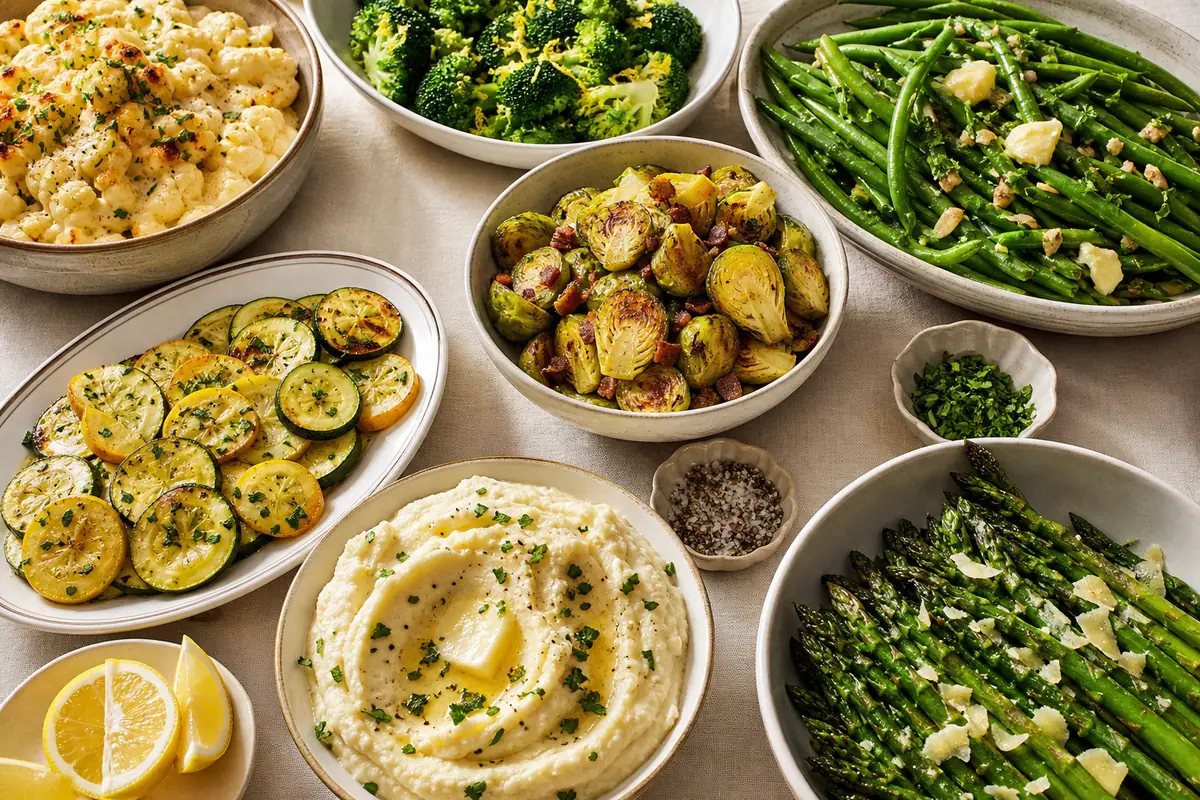
Roasted Brussels sprouts are one of the most reliable vegetables you can put next to a steak. They go into the oven as dense little cabbages and come out caramelized and slightly crispy on the cut side, with a tender interior.
Adding bacon takes them from good to genuinely hard to stop eating. The smoky, salty fat renders into the sprouts as they roast, creating a depth of flavor that plain roasted vegetables rarely reach.
Roast your Brussels sprouts at 425°F for 20-22 minutes, cut-side down on a sheet pan, so they get maximum contact with the hot surface.
For extra richness, try roasting them in duck fat instead of olive oil. You can also swap standard bacon for pancetta, which has a cleaner, less smoky flavor that sits more elegantly alongside a premium cut.
Roast Brussels sprouts at 425°F cut-side down with thick-cut bacon. The direct contact with the hot pan builds a golden, slightly charred crust that plain steaming can never replicate.
2. Garlic Mashed Potatoes
Garlic mashed potatoes are the default pairing for filet mignon at steakhouses for a very good reason. They absorb the steak's resting juices beautifully and provide a creamy, starchy base that balances the meat's richness.
Yukon Gold potatoes are the better choice here over Russets. Their naturally buttery flavor means you need less added fat to get a velvety result, and they mash without becoming gluey.
Use at least one full head of roasted garlic per two pounds of potatoes. Roasting the garlic first mellows the sharpness and turns it sweet, which is a much more refined result than raw minced garlic stirred in at the end.
Warm your cream or milk before adding it to the potatoes. Cold dairy tightens the starch and leaves the mash stiff.
For a dinner party version, top with a thin pat of compound butter made with chives and finishing salt.
You can find more ideas for starch-forward pairings by looking at what works for roast beef side dishes since many of the same principles apply.
3. Roasted Butternut Squash
Butternut squash brings a natural sweetness to the plate that creates a pleasant contrast against the savory depth of a seared filet. It is a particularly smart choice in the fall and winter months when the squash is at peak flavor.
Peel and cube the squash into one-inch pieces, toss with olive oil, salt, and pepper, and roast at 400°F for 20-25 minutes until the edges are golden and the centers are fork-tender.
Fresh sage is the ideal herb here. Scatter a few leaves onto the pan in the last five minutes of roasting and they will turn crispy and slightly nutty, which works beautifully against the sweet squash.
If you prefer a more Mediterranean profile, a drizzle of herb-roasted vegetable combinations with garlic and lemon zest over the finished squash adds brightness without overpowering the steak.
4. Honey Glazed Carrots
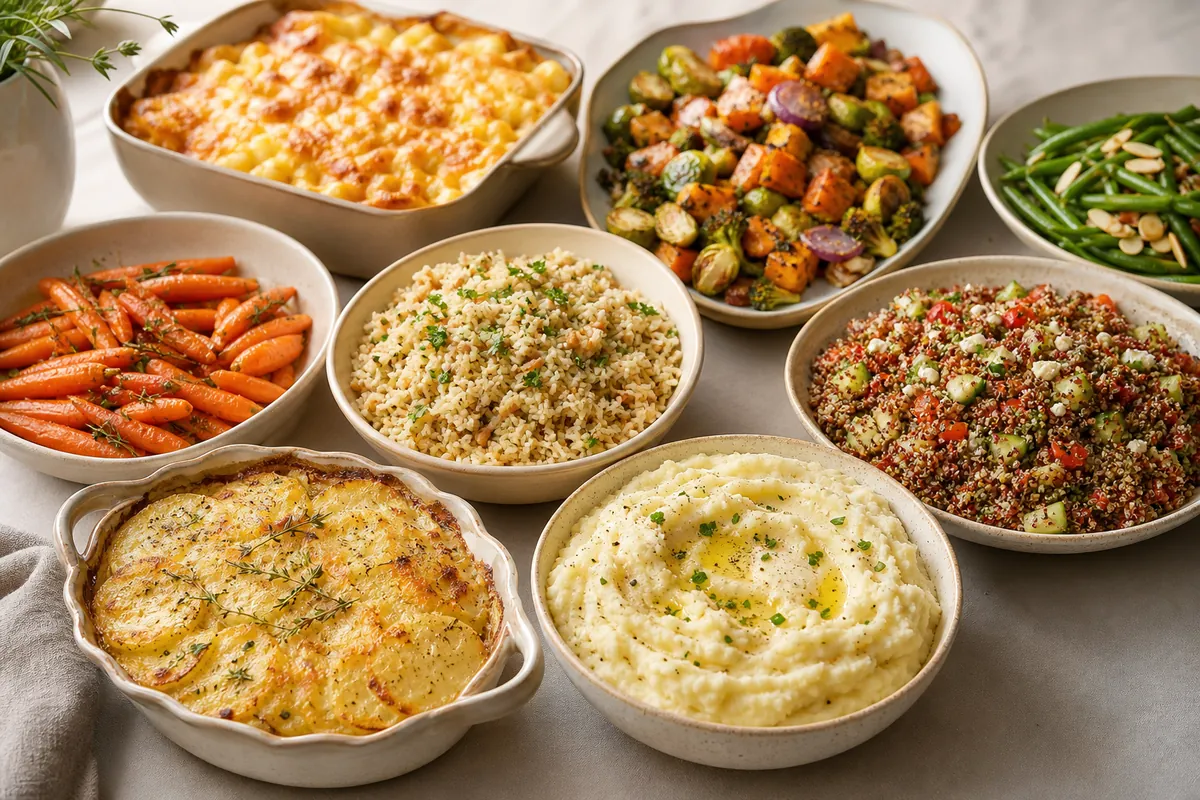
Honey glazed carrots are a low-effort side that looks genuinely polished on the plate. The honey reduces as the carrots cook, forming a sticky, amber glaze that coats each piece evenly.
Fresh rosemary is the classic herb pairing, but thyme also works well and has a slightly earthier note that complements the sweetness of the glaze without competing with it.
Use whole, peeled carrots cut on a diagonal rather than baby carrots from a bag. They have better texture and a more concentrated flavor, and they caramelize more evenly in the pan.
Serve with a small spoonful of full-fat Greek yogurt or a crumble of feta on the side if you want to add a tangy counterpoint. A handful of toasted walnuts or pistachios scattered over the top adds a satisfying crunch that rounds out the texture.
5. Green Beans Almondine
Green beans almondine is a French bistro classic that takes less than 15 minutes to pull together. The technique is simple: blanch the green beans until bright and just tender, then finish them in a pan with brown butter, garlic, and sliced almonds.
Blanching first is the key step. Two to three minutes in salted boiling water followed by an ice bath sets the color and ensures the beans stay snappy, not mushy, when you add them to the hot butter.
The almonds toast in the butter as it browns, picking up a golden color and a deep, nutty aroma that clings to the beans.
This side works for vegetarians as written, though adding pancetta to the butter first takes it in a richer, more substantial direction.
A grating of Parmesan and a squeeze of lemon over the finished dish brightens everything. For more ideas on quick vegetable preparations that hold up to air-fry cooking, check out these air fryer veggie sides that deliver roasted results fast.
6. Creamed Spinach
Creamed spinach is the definitive steakhouse side, and it earns that status every time. The velvety, rich sauce clings to the tender spinach leaves and provides a lush contrast to the lean, mild meat of a filet.
Use fresh baby spinach rather than frozen. Baby spinach wilts down evenly and has a more delicate flavor that holds up better in a cream sauce than the slightly coarser texture of full-leaf spinach.
Build the sauce with a proper béchamel base: butter, flour, and warm milk or heavy cream. Season aggressively with salt, white pepper, and fresh nutmeg.
Nutmeg is the detail most home cooks skip, and it is the one that makes creamed spinach taste like a restaurant made it.
Stir in a handful of finely grated Parmesan at the end for a cheesy, savory depth. A tablespoon of cream cheese stirred in off the heat makes the sauce even silkier without adding a noticeable cream cheese flavor.
Season creamed spinach more than you think you need to. The cream mutes salt, so what tastes right in the pan will taste slightly flat on the plate. Taste again right before serving.
7. Macaroni and Cheese
Mac and cheese alongside filet mignon is an intentional contrast move, and it works. The rich, cheesy pasta plays the role that mashed potatoes would in a more traditional pairing, providing starchy comfort next to the elegant steak.
Use at least two cheeses in your sauce. A sharp aged cheddar gives the dish its backbone and bite, while Gruyère adds a nutty, melty quality that makes the sauce stretch and pull rather than break.
A pinch of cayenne in the cheese sauce is not optional. It does not make the dish spicy; it makes everything else taste sharper and more defined.
A quarter teaspoon per pound of pasta is plenty.
For a more sophisticated take that fits the occasion, top the finished mac with panko breadcrumbs and a drizzle of butter, then broil for 3-4 minutes until the top is golden and crispy.
High-fiber side lovers can also browse these high-fiber side dishes for a lighter pairing option alongside this rich main.
8. Sweet Potato Casserole
Sweet potato casserole earns its place at a filet mignon dinner as a holiday staple that bridges savory and sweet. The combination of roasted sweet potatoes, brown sugar, warm spices, and toasted pecans creates a layered, deeply satisfying side.
Roast the sweet potatoes whole before mashing them into the casserole base. Roasting concentrates their natural sugars in a way that boiling never does, and the result is noticeably sweeter and more flavorful.
Add cinnamon, a pinch of cloves, and a generous amount of vanilla extract to the base. These warm spices do not turn the dish into dessert; they highlight the natural sweetness of the potato without making it cloying next to the savory steak.
Serve the casserole with a small spoonful of lightly sweetened whipped cream on the side for guests who want the full contrast experience. The cool, airy cream against the warm, dense casserole is genuinely satisfying.
9. Corn Pudding
Corn pudding is a Southern side with a creamy, custardy texture that sits somewhere between a soufflé and a dense cornbread. It is made with whole kernel corn, eggs, butter, milk, and a small amount of cornmeal to give it structure.
The baking powder in the recipe is what makes it puff slightly in the oven, creating a lighter texture than a standard cornbread bake. Set the oven at 350°F and bake for 45-50 minutes until the center is just set with a slight jiggle.
Top the finished pudding with shredded sharp cheddar and diced scallions for a savory version that holds its own next to the steak.
For a lighter adaptation, replace half the whole milk with plain non-fat yogurt, which keeps the texture creamy while reducing the fat content.
Corn pudding also pairs nicely with sides that bring textural contrast. If you are building a larger spread, look at these canned corn side dishes for additional corn-forward options that are lighter and quicker to prepare.
10. Cranberry Sauce
Cranberry sauce brings sharp acidity and bright fruit flavor to the plate, and that contrast is exactly what a rich, buttery filet sometimes needs. It is a more adventurous pairing than the classics, but it works particularly well at holiday dinners.
A proper cranberry sauce starts with fresh or frozen whole cranberries cooked down with sugar, orange juice, and a strip of orange zest. Cook over medium heat until the berries burst and the sauce thickens, about 10-12 minutes.
Balance is everything. If the sauce tastes too sharp after cooking, stir in a small additional amount of sugar and a tiny pinch of salt.
If it tastes too sweet, a squeeze of fresh lemon juice pulls it back into balance immediately.
Fresh thyme or rosemary added in the last two minutes of cooking adds an herbal note that makes the sauce feel more like a condiment than a dessert topping.
Diced Bosc pear stirred in at the end adds texture and a gentle sweetness that softens the tartness of the cranberries.
Those looking to explore additional sauce pairings for beef dishes can also take inspiration from Philly cheesesteak sauces, which use similar savory-tangy balancing techniques.
11. Dinner Rolls
A warm dinner roll on the side of a filet mignon plate is more useful than it looks. It gives guests something to soak up pan juices and sauces with, and it fills the bread basket role that fine dining has relied on for centuries.
For a simple upgrade, brush the rolls with garlic butter in the last two minutes of baking. The butter browns slightly on the surface and creates a golden, fragrant crust that is noticeably better than a plain roll.
Adding fresh rosemary or thyme to the dough before baking gives the rolls an herbal depth that connects them to the rest of the plate. Honey butter on the side for the casual option.
Both work.
For more inspiration on building a complete side spread, the approach used for pairing sides with roasted chicken applies well here since both proteins benefit from the same mix of starchy, vegetable, and bread components.
12. Chocolate Cake or Pie for Dessert
A rich meal deserves a confident dessert finish, and chocolate delivers. Chocolate cake is denser and more intense, built on a full crumb structure that holds buttercream or ganache without feeling light.
Chocolate pie takes a different approach. A silky ganache or pudding filling set in a flaky pastry shell is lighter on the palate, which makes it the better choice after a particularly heavy multi-course meal.
Use 70% dark chocolate regardless of which you choose. The bitterness of high-quality dark chocolate provides a pleasant counterpoint to the sweetness of sugar in the recipe, and the result tastes genuinely complex rather than just sweet.
A spoonful of lightly sweetened whipped cream or a scoop of vanilla bean ice cream on top works for either version. The cold contrast against a warm chocolate slice is a classic finish that closes the meal cleanly.
For those planning a seafood course alongside the steak, these lobster roll side dishes offer ideas that also transition beautifully into a larger surf-and-turf spread.

Carrie is a food writer and editor with more than 15 years of experience. She has worked for some of the biggest names in the food industry, including Bon Appétit, Food & Wine, and Martha Stewart Living.
As the Editor in Chief of EpicureDelight, Carrie oversees all of the content on the site. She also manages the team of contributing writers and editors, who help to create delicious recipes, helpful tips, and informative articles that you’ll find on the site.
A native of the Chicago area, Carrie is passionate about all things food. She loves trying new restaurants and experimenting with new recipes in her kitchen. She’s also a graduate of the Culinary Institute of America, so she knows a thing or two about food!