Split pea soup is thick, earthy, and deeply savory. It fills the bowl, but the plate around it can feel like an afterthought.

The right side dish changes that completely.
This guide covers 14 proven pairings for split pea soup, organized so you can pick one fast. Split pea soup pairs well with crusty bread, smoky meats, and acidic greens.
Each brings something different to the table: crunch, brightness, or a contrasting texture that keeps the meal from feeling one-note.
The goal is a balanced plate composition. Aim for at least one starch, one protein, and one acidic or bright element alongside the soup.
You do not need all three every time, however combining two of those categories always gives a more satisfying meal.
Many of these sides come together in under 20 minutes. A few take a bit more planning, and those are worth it on a slower evening.
The sides that work with chicken wild rice soup follow a similar logic, so if you cook hearty soups often, you will recognize the pattern here.
Split pea soup pairs best with crusty bread, smoky proteins, and acidic greens or pickles. Choose one starch, one bright element, and optionally one protein side for a complete plate. All 14 options below are easy to prep and proven to complement the soup's earthy, savory depth.
14 Sides to Serve with Split Pea Soup
Crusty bread improves mouthfeel and soaks up soup, making it the most practical first choice. Beyond bread, the list below moves through crunchy, tangy, hearty, and creamy options so you can build a plate that fits your appetite and your schedule.
Each side below includes a quick pairing note so you can decide at a glance. For lighter weeknight meals, pick one side.
For a fuller spread or a dinner party, combine two or three from different flavor categories.
| # | Side Dish | Type | Prep | Why It Works |
|---|---|---|---|---|
| 1 | Crusty Bread or Fresh Flatbread | Bread | Easy | Soaks up soup and adds satisfying crunch with every bite |
| 2 | Herbed Garlic Flatbread | Bread | Easy | Garlic and herbs boost aroma and brighten the earthy soup |
| 3 | Cornbread with Honey Butter | Bread | Medium | Sweet crumb balances the savory, smoky depth of the soup |
| 4 | Roasted Carrot and Beet Salad | Salad | Medium | Acidity and color contrast lift a visually heavy bowl |
| 5 | Quick Caesar or Page-Side Salad | Salad | Easy | Bitter greens cut the richness and add textural crunch |
| 6 | Sausage or Ham Crumble | Protein | Easy | Smoky protein echoes the ham base common in split pea soup |
| 7 | Apple Slaw or Shredded Apple Salad | Salad | Easy | Sweet-tart apple adds brightness and refreshing crunch |
| 8 | Pickled Red Onions | Sauce | Easy | Sharp acidity slices through the soup's thick, starchy base |
| 9 | Sautéed Greens (Kale, Spinach, or Swiss Chard) | Veggie | Easy | Garlicky bitterness provides a clean contrast to the peas |
| 10 | Roasted Potatoes or Hash Browns | Starch | Medium | Crispy starch adds satisfying texture without flavor conflict |
| 11 | Quinoa or Rice Pilaf | Starch | Easy | Neutral grain bulk rounds out a lighter serving of soup |
| 12 | Smoky Baked Beans | Other | Medium | Legume base echoes the soup while adding smoky sweetness |
| 13 | Yogurt-Cucumber Raita | Sauce | Easy | Cool, creamy contrast softens the soup's dense texture |
| 14 | Fresh Pickles or Quick Fermented Vegetables | Other | Easy | Tangy crunch cuts richness and adds a fermented brightness |
Best overall pairings: crusty bread, herby flatbread, and a tangy greens side to cut the richness. Together, they cover every texture and flavor gap the soup leaves open.
For a quick weeknight dinner, bread plus one bright side is all you need. For a more composed meal, the serving breakdown below shows exactly how to plate it.
| Side Dish | Prep | Why It Works | How to Serve |
|---|---|---|---|
| Crusty Bread | Easy | Absorbs broth and adds essential crunch to every spoonful | Slice just before serving; warm in oven 5 minutes |
| Pickled Red Onions | Easy | Sharp acidity balances the soup's starchy, savory depth | Serve in a small bowl alongside the soup |
| Sausage or Ham Crumble | Easy | Smoky protein mirrors and amplifies the soup's base flavors | Spoon over soup or plate separately |
| Sautéed Kale with Garlic | Easy | Bitter greens and lemon create a clean, fresh counterpoint | Pile alongside the bowl; finish with lemon zest |
| Cornbread with Honey Butter | Medium | Sweet crumb contrasts the savory, earthy soup perfectly | Serve warm wedges with honey butter on the side |
Save This for Later
Pin this what to serve with split pea soup? try these 14 sides guide so you always have it when you need it.
Pin This Guide1) Crusty Bread or Fresh Flatbread
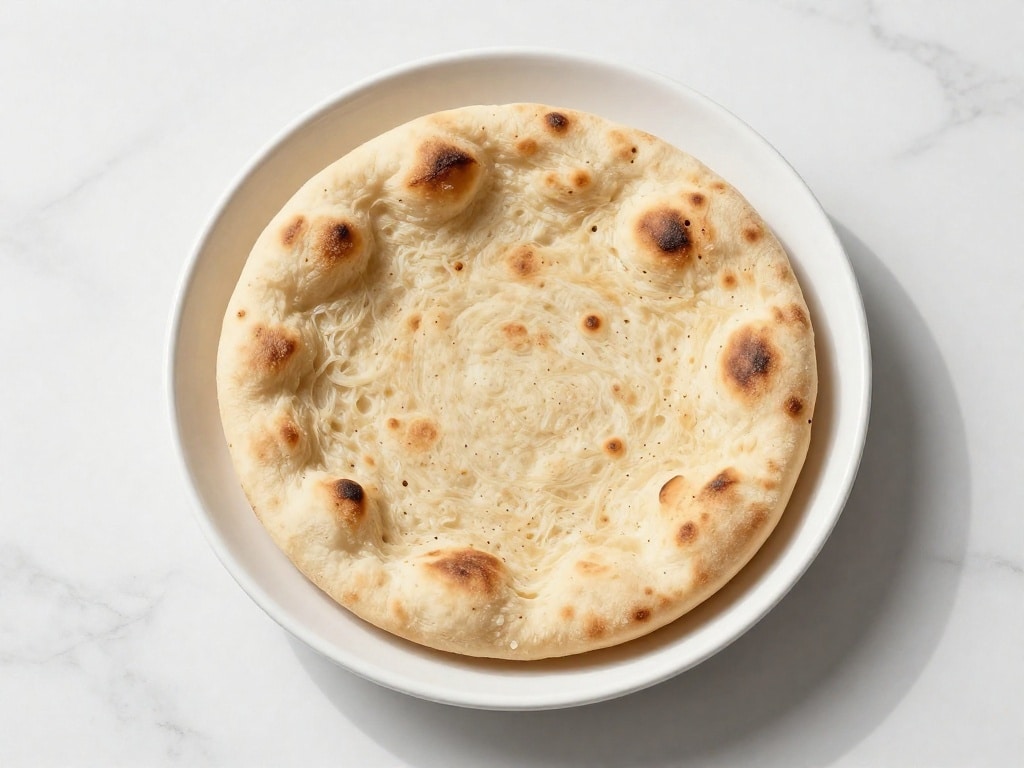
Bread is the most practical pairing for split pea soup because it handles both dipping and mopping. A baguette gives the best crust-to-crumb ratio, sourdough adds tang that complements the soup's earthiness, and naan works when you want something softer and more pliable.
Sourdough is the best all-around choice for acidity balance. Naan works well if the soup skews spiced.
Slice bread just before serving to maintain crunch. Serving it pre-sliced too early softens the crust fast.
If pressed for time, serve sliced baguette warmed with olive oil and herbs. It takes 5 minutes in a 375°F oven and adds real flavor.
2) Herbed Garlic Flatbread
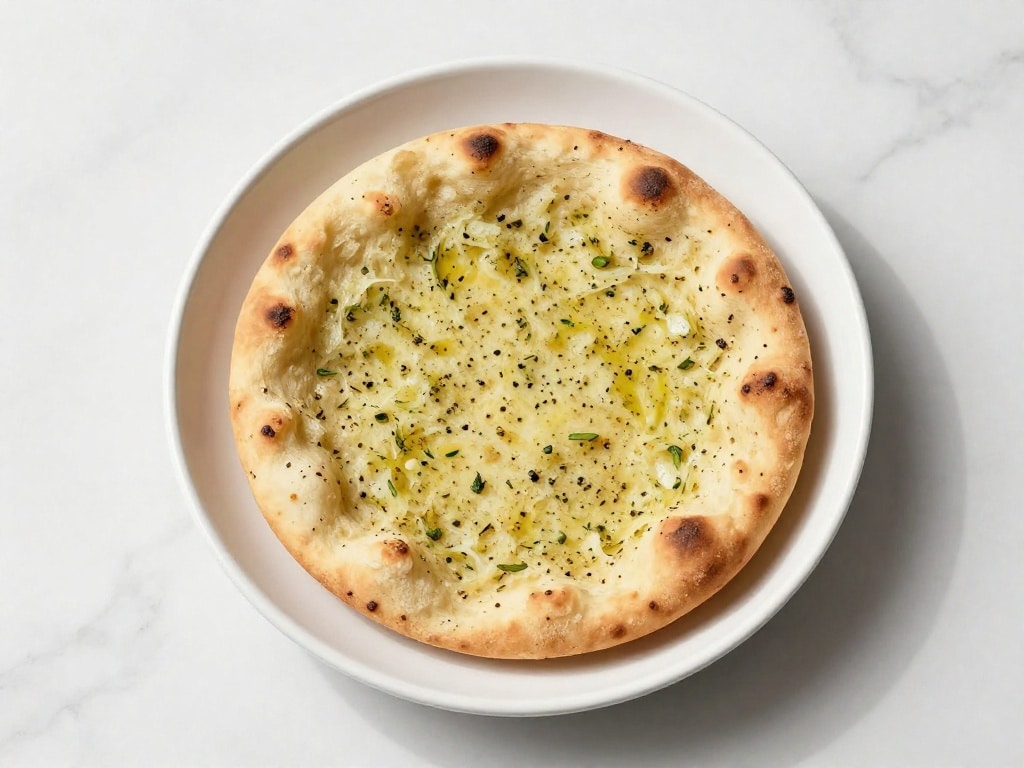
Herbed garlic flatbread turns a simple side into something that feels intentional. A mix of parsley, chives, and thyme pressed into the dough or brushed on top adds aroma and brightness that plain bread cannot match.
Herbs boost aroma and brightness, which is especially useful when the soup is thick and monotone in color.
A quick pan-fried flatbread with garlic butter comes together in under 10 minutes. If you enjoy pairing bread-forward sides with soup, the same approach works well for cream of celery soup pairings too.
Best when you want a comforting, crispy alternative to plain bread. The garlic and herb crust adds layers the soup alone does not provide.
3) Cornbread with Honey Butter
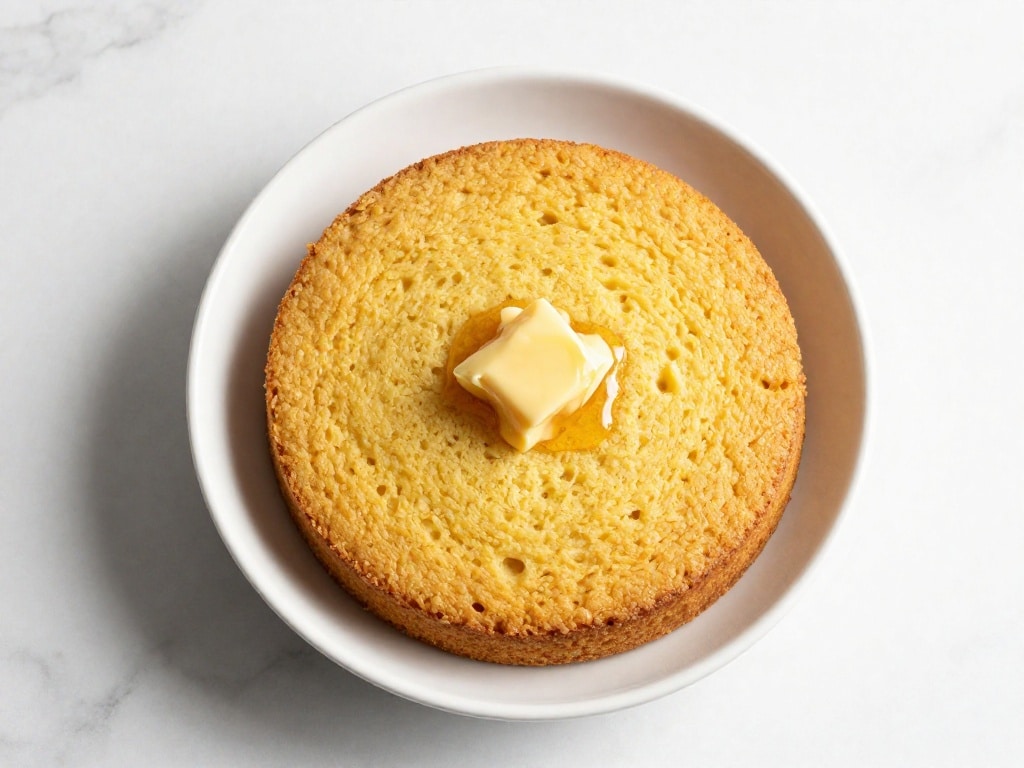
Cornbread brings sweetness and a soft crumb that offsets the savory density of split pea soup. The contrast is deliberate: where the soup is smooth and earthy, cornbread is slightly grainy and tender with a golden crust.
Add a jalapeño to the batter for a savory kick that stops the sweetness from feeling heavy. Serve warm wedges with honey butter on the side so each person can control the sweetness level.
This pairing works especially well during colder months when the meal needs more substance.
4) Roasted Carrot and Beet Salad
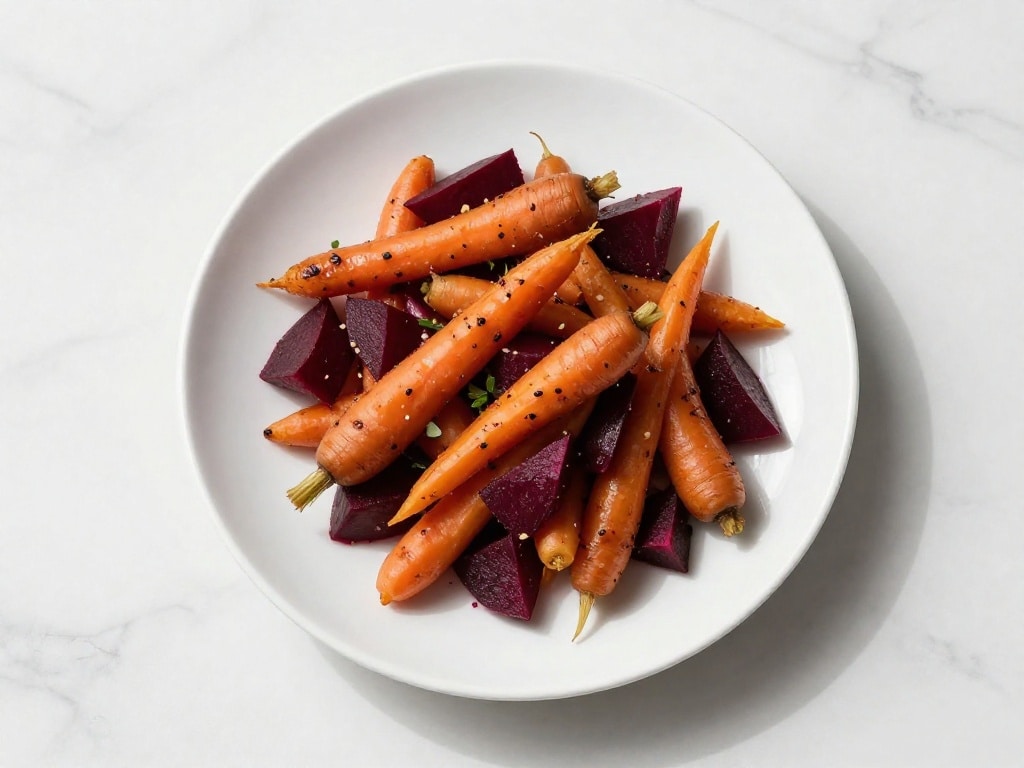
Split pea soup is a single shade of green. A roasted carrot and beet salad fixes that with deep orange and crimson colors and a tangy vinaigrette that cuts the soup's richness.
Roast carrots and beets at 400°F for 30 minutes, then toss with a red wine vinegar and Dijon dressing.
The acidity from the dressing does most of the pairing work. Add crumbled goat cheese or toasted walnuts on top for extra texture.
This salad also works well alongside sides served with cabbage soup if you are planning a soup-focused dinner.
5) Quick Caesar or Page-Side Salad
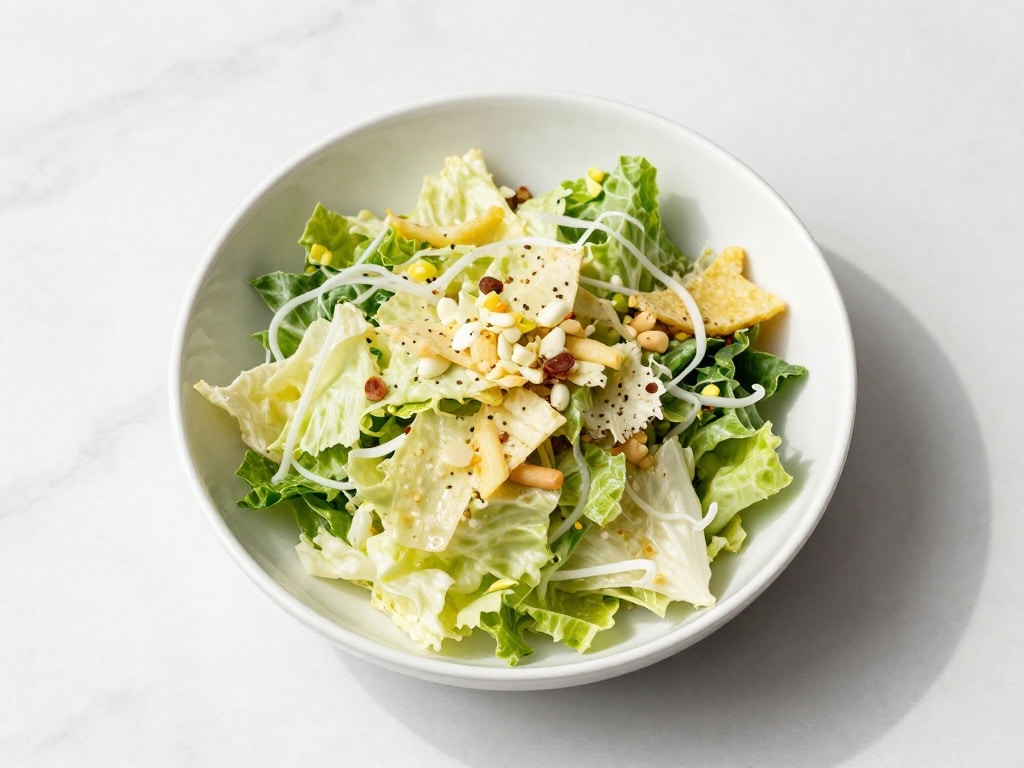
A simple Caesar salad brings bitter romaine and a tangy, umami-rich dressing that works directly against the soup's starchy weight. The bitterness of the greens is the key mechanism here.
It resets the palate between spoonfuls of soup.
For more crunch, use romaine hearts or add radishes. A lighter vinaigrette with lemon and anchovy works if you want the salad to feel less creamy.
Heartier greens like radicchio or endive are good choices when you want the crunch to hold up through the whole meal.
6) Sausage or Ham Crumble
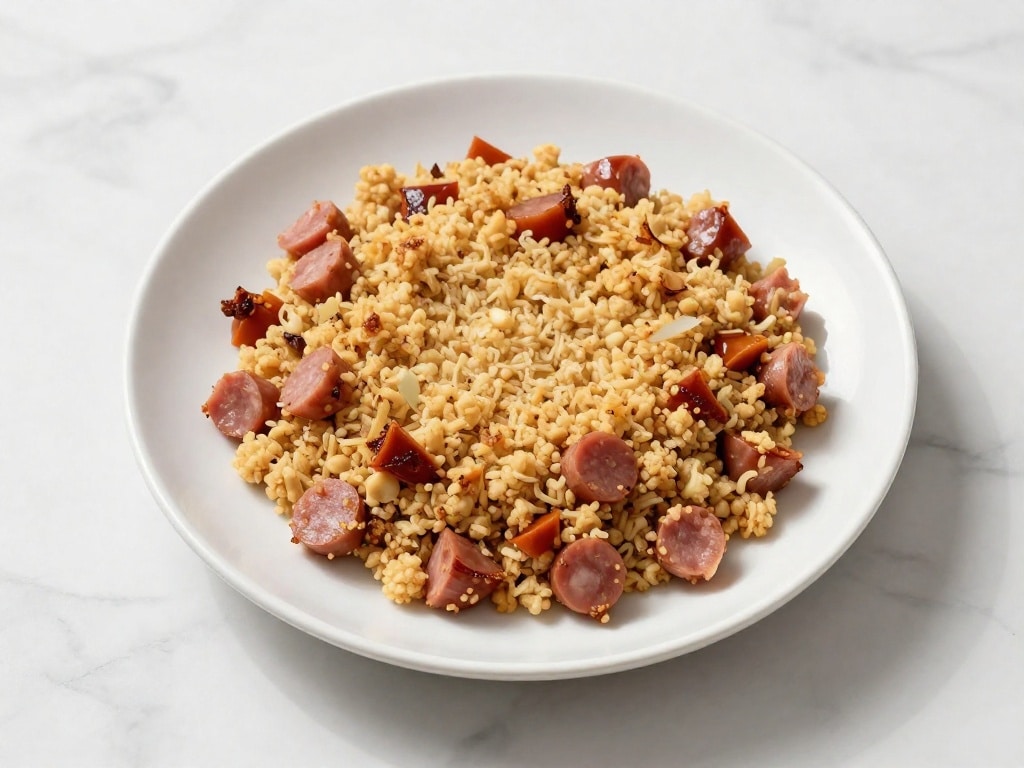
Many split pea soup recipes already call for ham. A sausage or ham crumble on the side deepens that smoky note and gives the plate a protein anchor.
Brown smoked sausage in a pan for 5 to 6 minutes until the edges crisp, then crumble over the bowl or serve alongside it.
For a vegetarian version, sautéed mushrooms with smoked paprika or crumbled tempeh with liquid smoke replicate the same savory, charred quality. The smoky element is what matters most here.
This same protein logic applies to cheeseburger soup pairings, where a bold protein side anchors a rich base.
7) Apple Slaw or Shredded Apple Salad
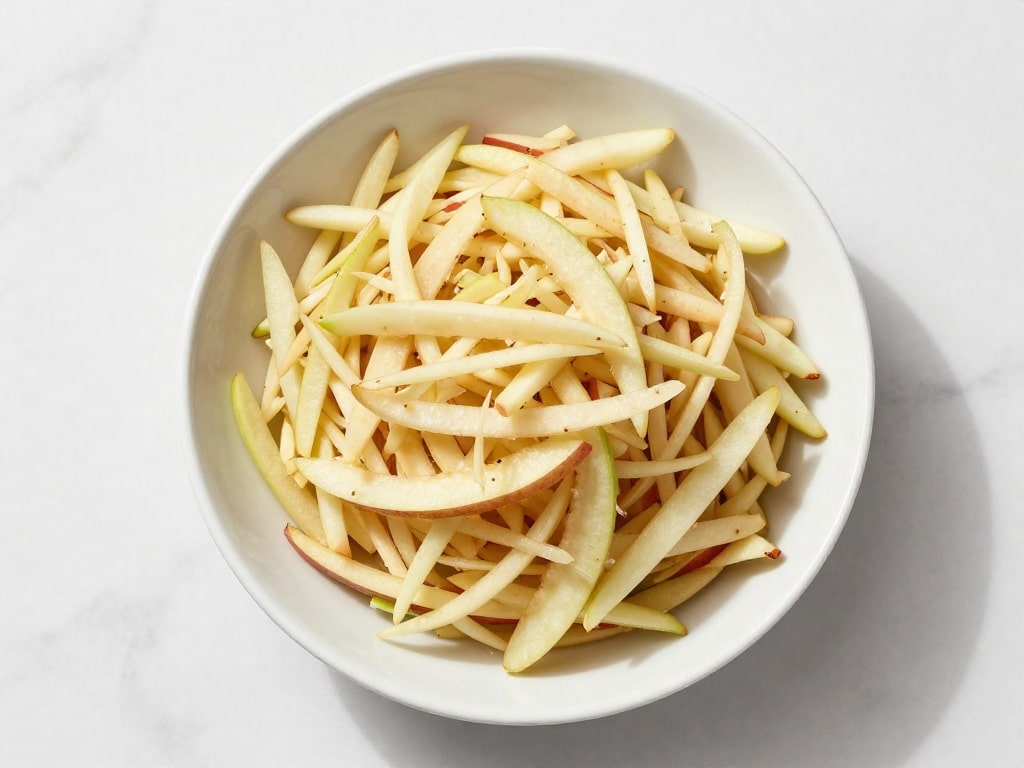
Apple slaw introduces sweetness and sharp acidity in one dish, which makes it one of the most efficient contrast pairings on this list. Shred one tart apple (Granny Smith works best) with red cabbage and toss with a light apple cider vinegar and honey dressing.
The crunch of raw cabbage holds up well next to a hot bowl of soup. Serve it cold so the temperature contrast adds another layer of interest.
Keep the dressing light so the apple flavor stays upfront.
8) Pickled Red Onions
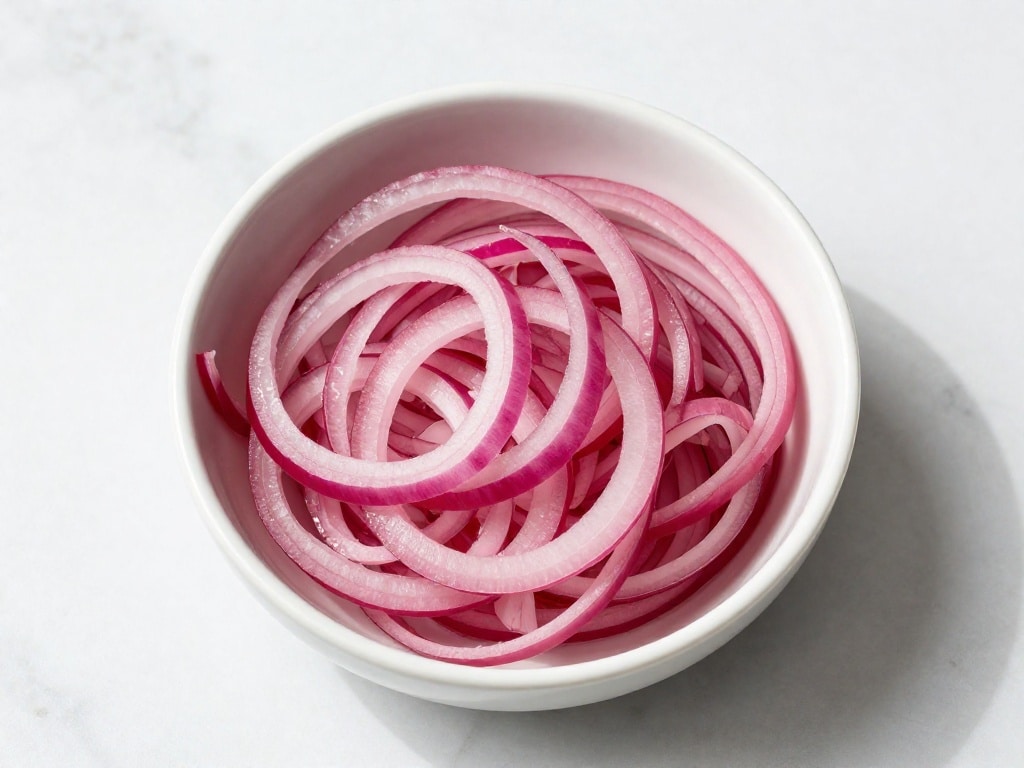
Pickled red onions are a fast, high-impact acid element that costs almost nothing to prepare. Combine thinly sliced red onion with red wine vinegar, a pinch of salt, and a pinch of sugar.
Let them sit for 30 minutes at room temperature and they are ready.
Serve them in a small dish on the side so diners can add as much or as little as they like. They also fold nicely into bread as a topping, which makes them a flexible option for a mixed plate.
Similar acidic sides pair well with egg drop soup for the same cut-through reason.
9) Sautéed Greens (Kale, Spinach, or Swiss Chard)
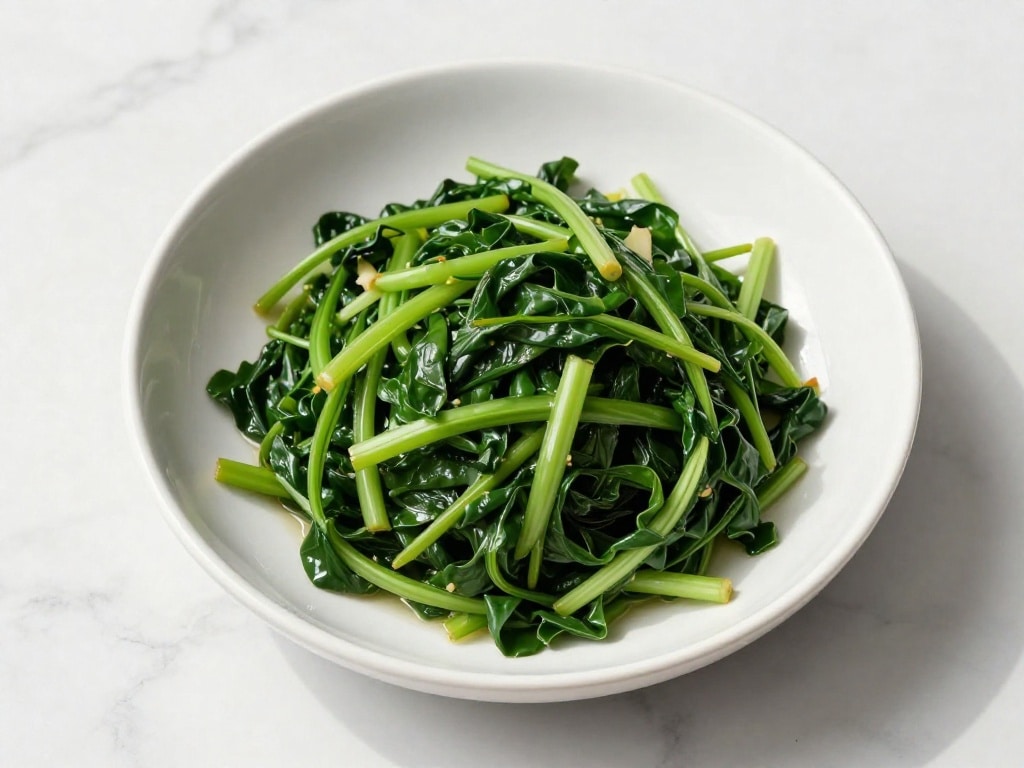
Sautéed greens take under 8 minutes and deliver a bitter, garlicky counterpoint that split pea soup needs. Heat olive oil in a pan, add two cloves of minced garlic, then toss in your greens of choice and cook until just wilted.
Finish with a squeeze of lemon juice. Kale holds its texture best if you want a chewier green.
Spinach wilts faster and gives a softer result. Swiss chard falls in between and has a mild, slightly sweet flavor that works especially well with pea-based soups.
This approach also complements sides for chicken gnocchi soup when a light, fast vegetable is needed.
10) Roasted Potatoes or Hash Browns
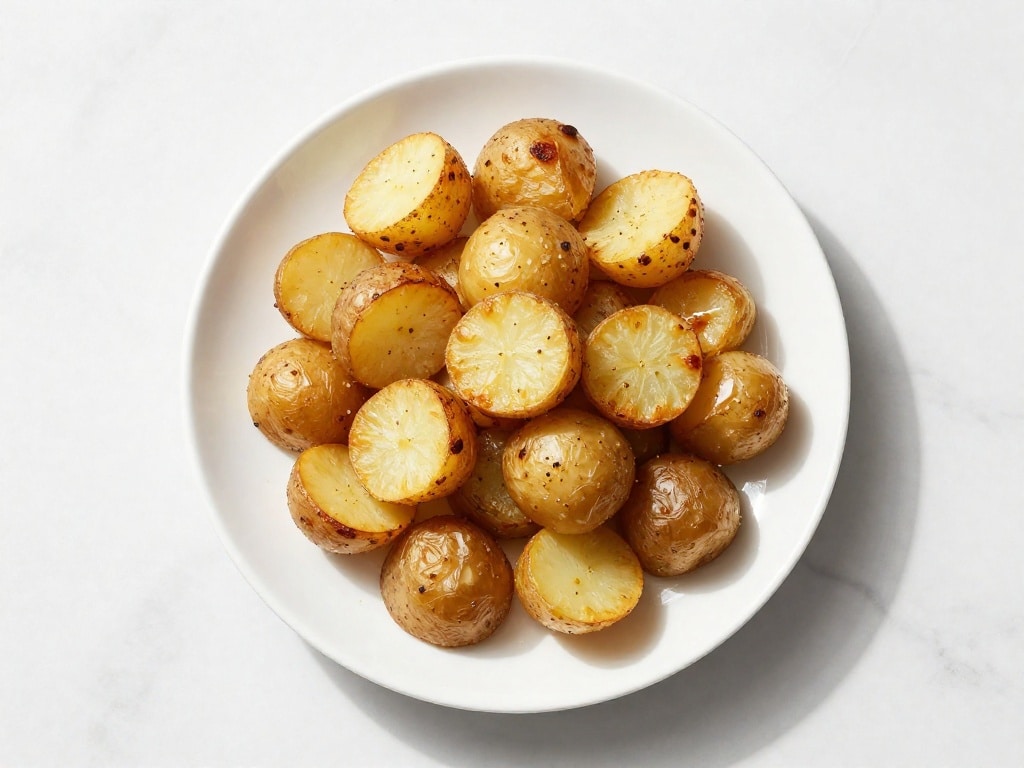
Roasted potatoes add a crispy starch layer without clashing with the soup's legume base. Toss small Yukon Gold potatoes with olive oil, smoked paprika, and garlic, then roast at 425°F for 25 minutes until the edges are golden and crisp.
Hash browns are the faster alternative. Cook them in a skillet over medium-high heat for 4 to 5 minutes per side until deeply browned.
Rosemary and thyme are the best seasonings for either version, as both herbs echo the savory notes already in the soup.
11) Quinoa or Rice Pilaf
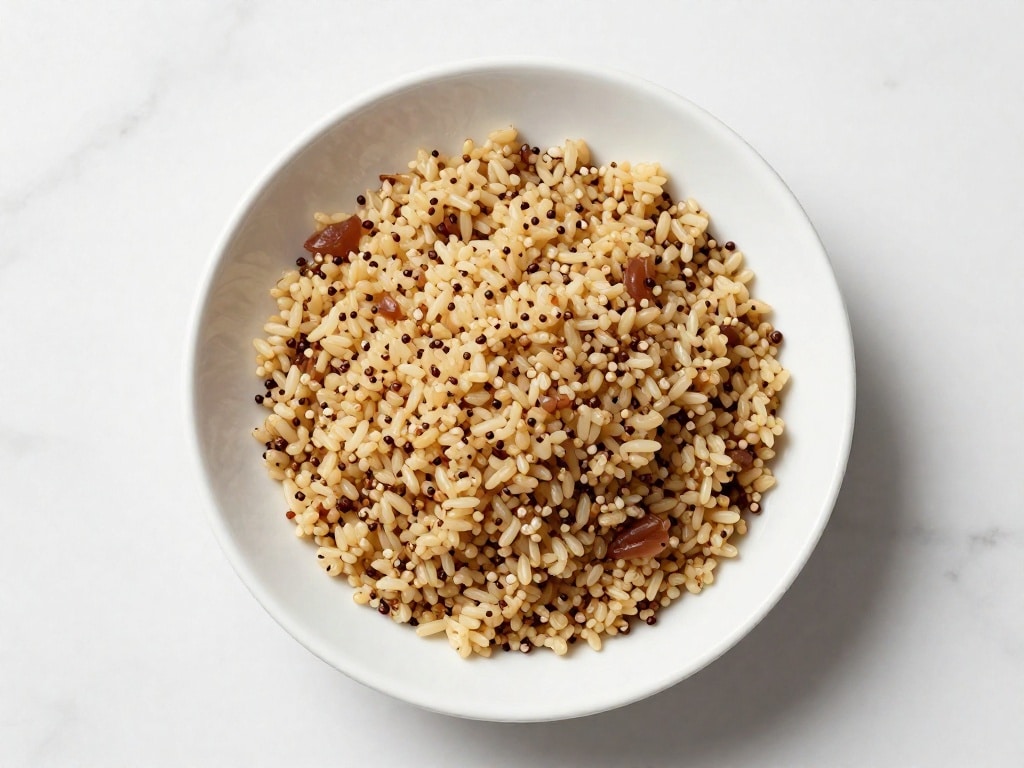
A simple grain pilaf is the right choice when the soup is served in a smaller portion and the plate needs more substance. Quinoa absorbs flavor better than plain rice and adds a slight nuttiness that complements peas without competing with them.
Cook quinoa or rice in vegetable broth instead of water, then finish with chopped parsley and a small amount of lemon zest. The herb finish keeps the pilaf from feeling flat.
This pairing also works well alongside hot and sour soup sides where a neutral grain is needed to balance bold flavors.
12) Smoky Baked Beans
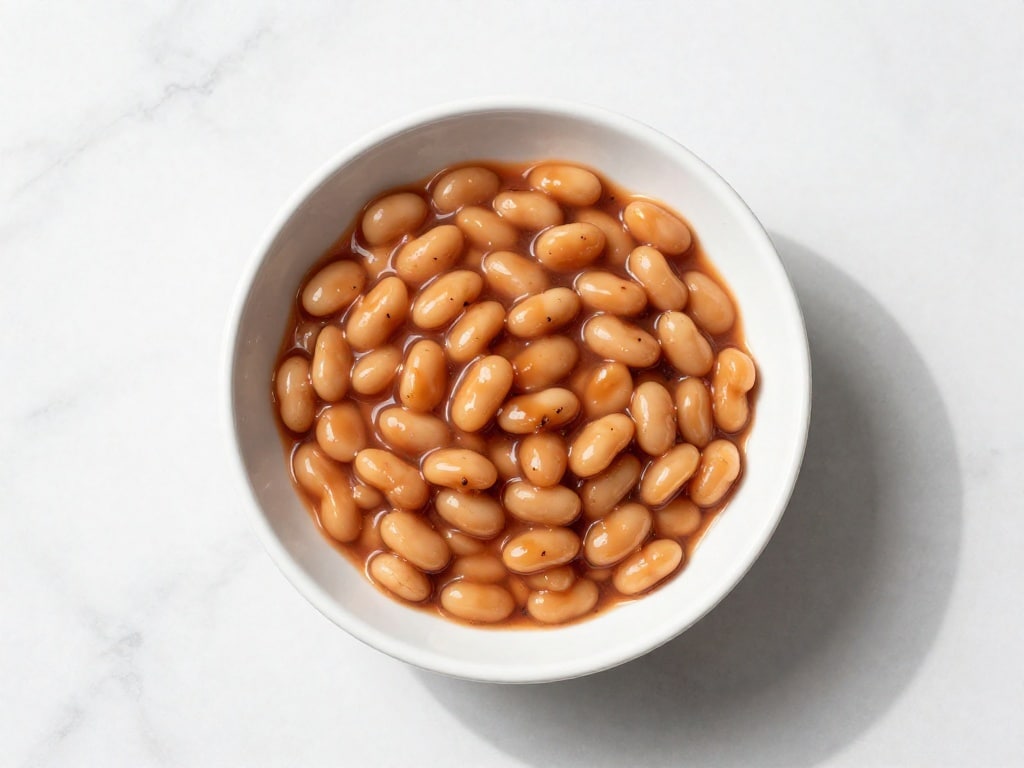
Baked beans and split pea soup share the same legume foundation, which makes them a natural companion rather than a redundant one. The key difference is flavor: baked beans bring smoky sweetness from molasses and bacon, while split pea soup is savory and herby.
Use canned beans as a base to keep prep time short. Add smoked paprika, a small amount of brown sugar, and a splash of apple cider vinegar.
Simmer for 15 minutes on the stovetop. The result is a deeply flavored side that rounds out the plate without repeating the soup's exact profile.
13) Yogurt-Cucumber Raita (or Summer Herb Yogurt)
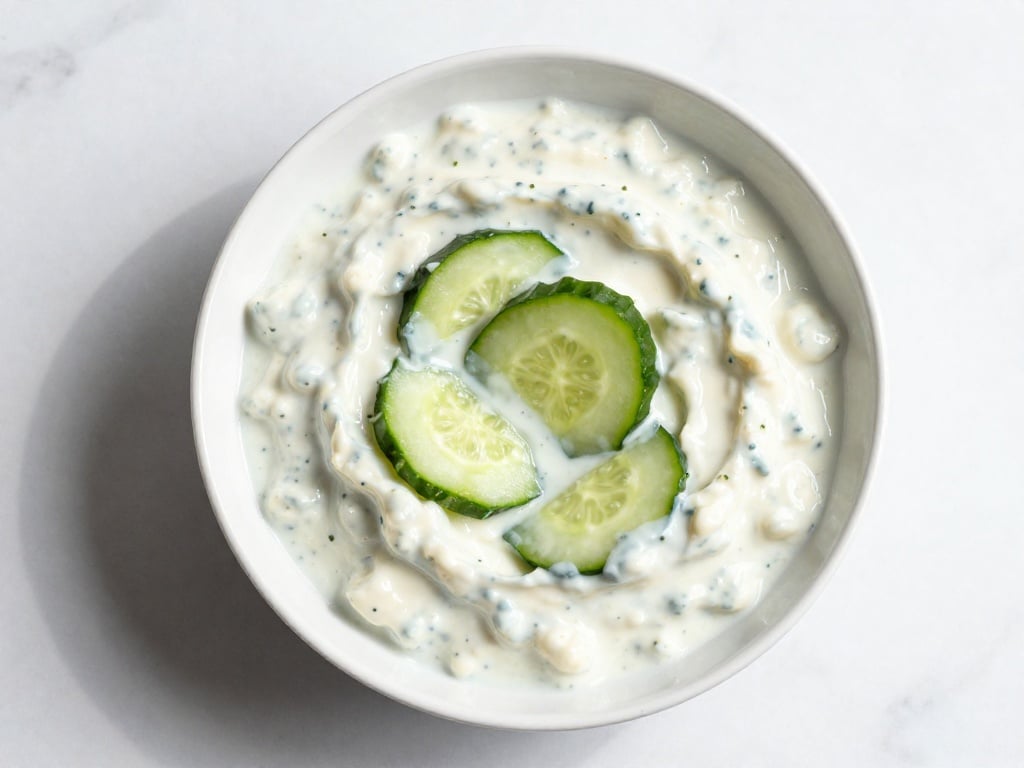
Raita is a cooling, creamy contrast that works especially well when the soup is heavily spiced or served at high heat. Combine plain Greek yogurt with grated cucumber, fresh mint, and a pinch of cumin.
Chill for 15 minutes before serving.
The cucumber releases water as it sits, so stir the raita just before plating. For a summer herb yogurt version, swap mint for dill and add lemon zest.
Both versions are dairy-based and provide the same cooling effect against the dense, hot soup. This also pairs well alongside cream of crab soup when a cool, herbed dairy element is on the table.
14) Fresh Pickles or Quick Fermented Vegetables
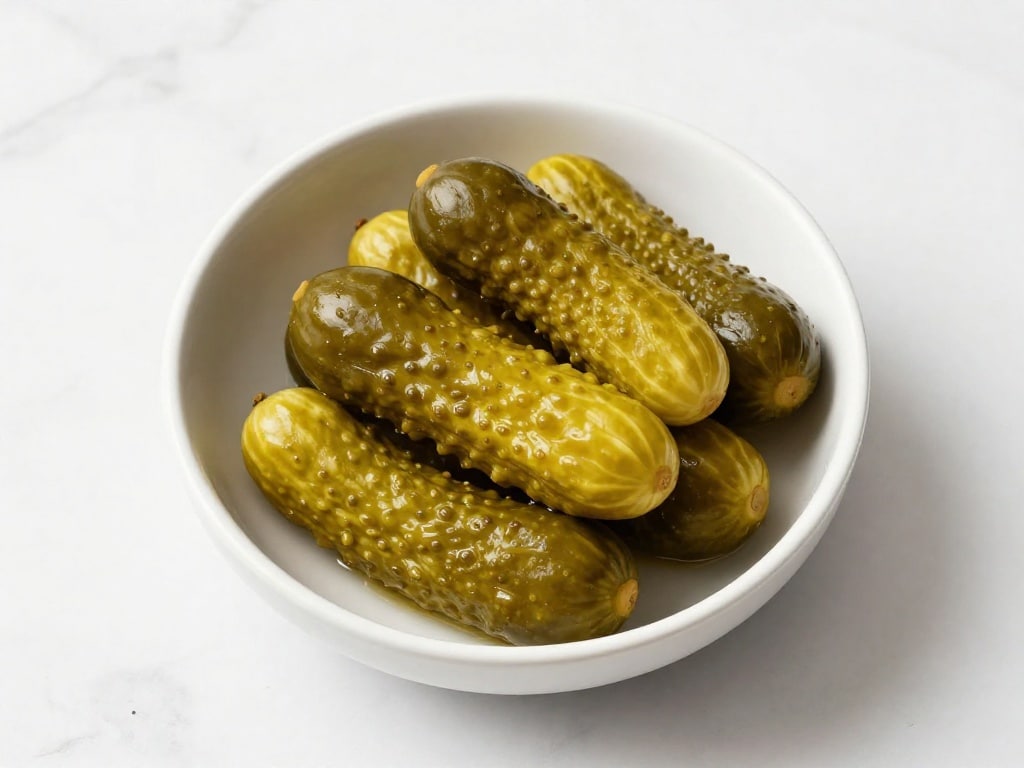
Quick pickles are ready in as little as 20 minutes and bring a vinegary crunch that no other side on this list replicates.
Slice cucumbers, radishes, or carrots thin and pack them into a jar with white vinegar, salt, sugar, and any spice you like (dill, red pepper flakes, or coriander all work).
Fermented vegetables like kimchi or sauerkraut are a longer-prep alternative that adds a deeper, funkier brightness. Serve either version cold in a small dish on the side.
The sharp tang resets the palate between bites and keeps the meal from feeling heavy, which is exactly what split pea soup needs from a bright side. The same principle applies to cabbage soup pairings where fermented elements do similar work.
Frequently Asked Questions
What bread goes best with split pea soup?
Sourdough and baguette are the top choices. Sourdough adds tang that complements the earthiness, while baguette delivers the crispiest crust for dipping.
What protein can I serve alongside split pea soup?
Smoked sausage or ham crumble are the strongest matches. For a vegetarian option, sautéed mushrooms with smoked paprika replicate the same savory depth.
Can I serve a salad with split pea soup?
Yes. A Caesar salad or roasted carrot and beet salad both work well. The acidity in the dressing cuts through the soup's starchy richness effectively.
Is split pea soup filling enough on its own?
It is thick and protein-rich, however adding one starch side (bread, potatoes, or a grain pilaf) makes it a more complete and satisfying plate.
What sides work for a vegetarian split pea soup dinner?
Herbed garlic flatbread, sautéed kale with lemon, quinoa pilaf, and pickled red onions all work without any meat. Raita adds a creamy element for variety.
What to Serve with Split Pea Soup? Try These 14 Sides
Ingredients
Method
- Choose 2-3 sides from this list that match your main dish and occasion.
- Prepare each side according to the recipe instructions above.
- Plate the main dish with your chosen sides, mixing textures and flavors.
- Serve immediately. Most sides can be prepped 1-2 hours ahead.
Notes
- Aim for at least one starch, one protein, and one acidic element for a balanced plate.
- Slice bread just before serving to keep the crust crisp. Pickled onions can be made 30 minutes ahead and held at room temperature.
Tried this recipe?
Let us know how it was!
Carrie is a food writer and editor with more than 15 years of experience. She has worked for some of the biggest names in the food industry, including Bon Appétit, Food & Wine, and Martha Stewart Living.
As the Editor in Chief of EpicureDelight, Carrie oversees all of the content on the site. She also manages the team of contributing writers and editors, who help to create delicious recipes, helpful tips, and informative articles that you’ll find on the site.
A native of the Chicago area, Carrie is passionate about all things food. She loves trying new restaurants and experimenting with new recipes in her kitchen. She’s also a graduate of the Culinary Institute of America, so she knows a thing or two about food!