Beef tenderloin is the leanest, most tender cut on the animal, and it earns its place at the center of any serious dinner spread.
Roasted whole, it slices cleanly, holds a beautiful blush throughout, and carries just enough rich, beefy flavor that it practically demands sides worth matching it.
The challenge is not finding sides - it is picking ones that add contrast without competing. You want textures that push back: crispy roasted vegetables, creamy starches, bright acidic salads.
A good starting point is knowing what the beef itself brings. Tenderloin is mild compared to a ribeye, so it can handle bold accompaniments.
Garlicky mashed potatoes, charred Brussels sprouts, or a tart beet salad all work without overwhelming the main.
These 12 sides cover every angle - green vegetables, starches, salads, and one classic British bake. If you are planning a holiday dinner, check out our full guide to classic roast beef pairings for even more inspiration.
Pick one or build a full spread. Either way, these combinations hold up.
Beef tenderloin pairs best with sides that add texture contrast and bold flavor. Green vegetables like asparagus and Brussels sprouts cut through the richness. Creamy starches like garlic mashed potatoes or mac and cheese balance the meal. Bright salads and Yorkshire pudding round out a complete holiday or dinner-party spread.
12 Perfect Side Dishes for Beef Tenderloin
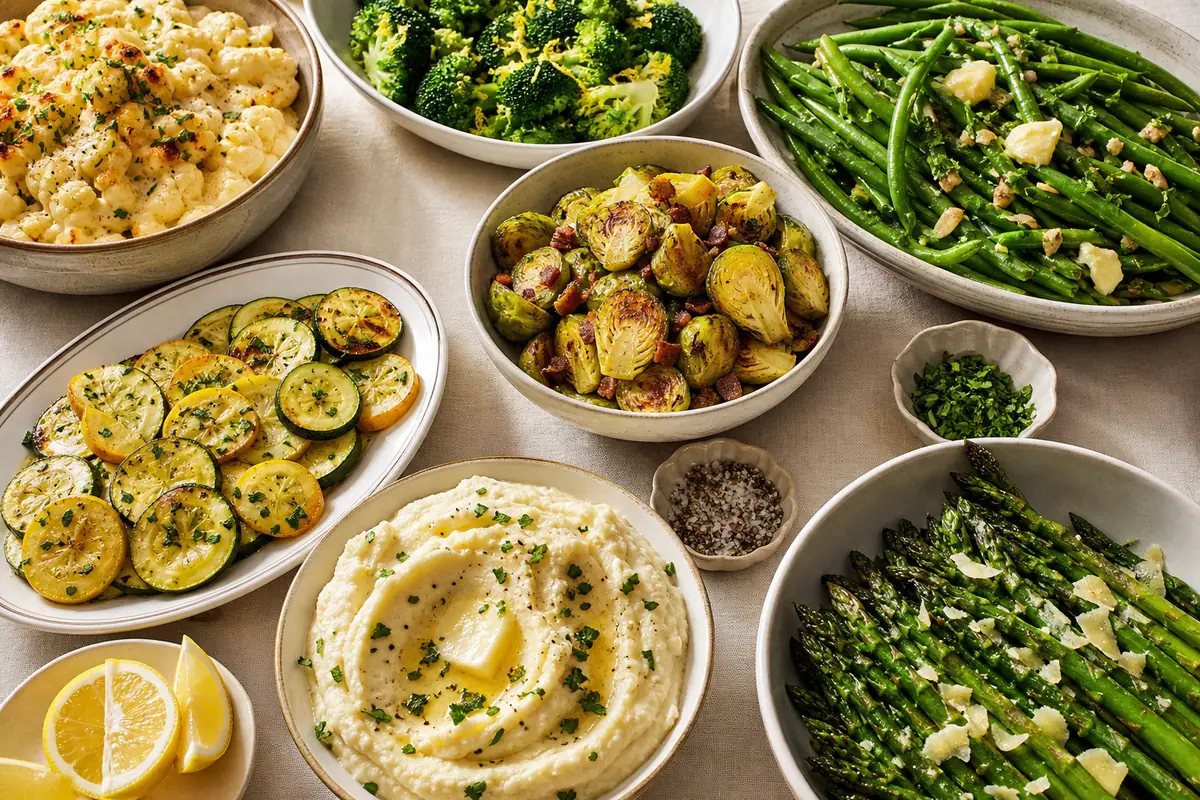
1. Roasted Asparagus Spears with Lemon Hollandaise Sauce
Roasted asparagus with lemon hollandaise is one of those sides that looks restaurant-worthy with almost no effort. Roast the spears at 425°F for 10 to 12 minutes until the tips are slightly charred and the stalks are tender but still have a little snap.
The hollandaise is made by whisking egg yolks with clarified butter and fresh lemon juice over a double boiler. That bright acidity cuts right through the richness of the beef.
Asparagus brings a gentle bitterness that rounds out the savory depth of tenderloin without dulling it. For a more polished presentation, plate the spears on a bed of wilted spinach and finish with freshly chopped chives.
Snap asparagus at the natural breaking point - not at a uniform length - to guarantee you are only cooking the tender part of each spear.
2. Garlic Mashed Potatoes
Garlic mashed potatoes are the starch that belongs next to beef tenderloin every single time. Yukon Gold potatoes give the creamiest result, though Russets are a close second with a slightly fluffier texture.
Roast a whole head of garlic at 400°F for 40 minutes, then squeeze the softened cloves directly into the mash. The roasted garlic is mellow and slightly sweet, nothing like raw garlic's sharpness.
Add good butter, warm milk, and salt. Finish with thinly sliced green onions or chives on top.
Fresh herbs here make a visible difference in both flavor and presentation.
3. Roasted Brussels Sprouts with Bacon
Brussels sprouts roasted with bacon hit the salty-sweet balance that beef tenderloin specifically needs alongside it. Halve the sprouts, toss with olive oil and salt, then roast cut-side down at 400°F for 20 to 25 minutes until deeply golden.
Add the bacon in the last 10 minutes so it crisps without burning. The rendered fat bastes the sprouts as everything finishes together.
For extra texture, scatter a handful of chopped walnuts or a grating of Parmesan over the top before serving. A drizzle of balsamic glaze works particularly well when you want a sweeter finish.
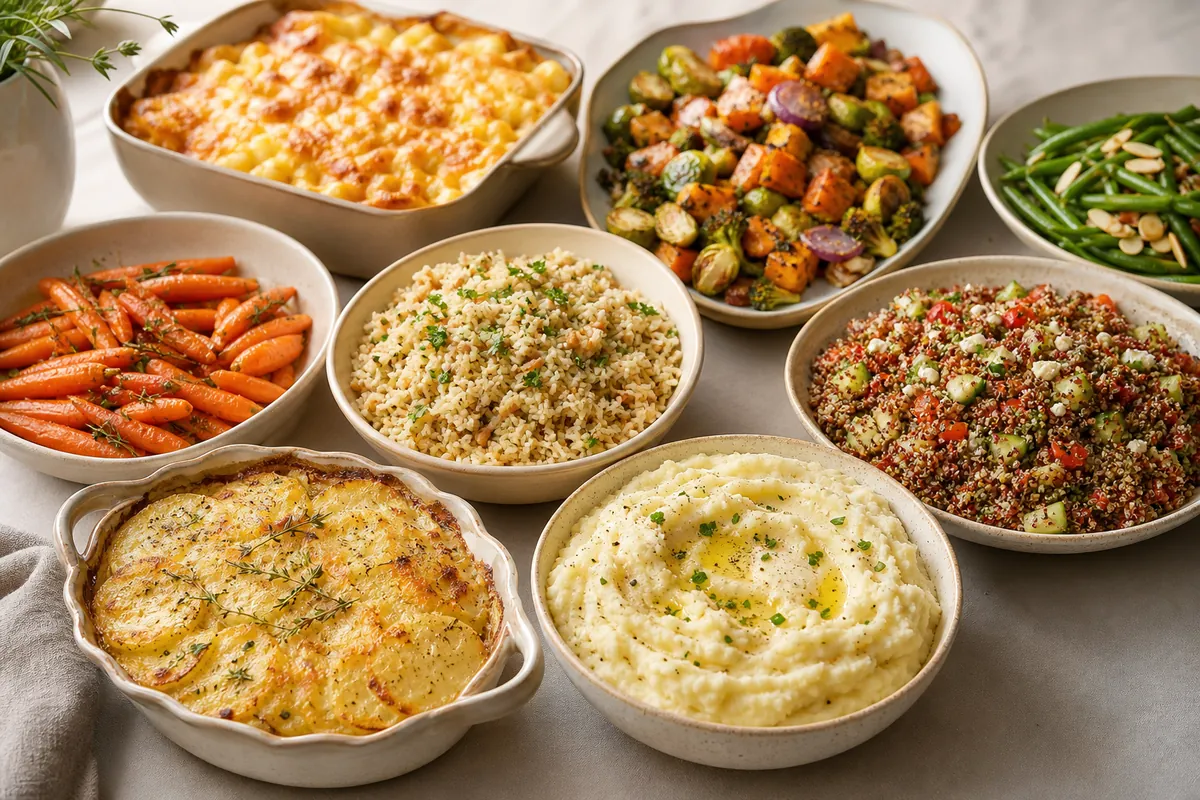
4. Honey Glazed Carrots
Honey glazed carrots are a side that anyone can pull off, and they photograph beautifully on a holiday table. Choose bright orange, firm carrots - limp or pale ones will not caramelize properly in the oven.
Roast whole baby carrots or halved medium carrots at 400°F for 20 minutes, then toss in a glaze of honey, butter, and a pinch of cayenne. Return them to the oven for another 5 minutes until the glaze is sticky and slightly darkened.
Fresh rosemary added before roasting gives the carrots a herbal note that plays off the honey's sweetness. The result is a side with enough character to hold its own next to tenderloin without overshadowing it.
5. Sauteed Green Beans with Almonds
Sautéed green beans with toasted almonds is one of the fastest sides on this list, and it delivers a satisfying crunch that heavier dishes cannot.
Blanch fresh beans for 3 minutes in boiling salted water, then shock them in ice water to lock in the bright green color.
Sauté in butter over medium-high heat for 2 to 3 minutes, add the almonds, and finish with a squeeze of lemon juice. The almonds go in last so they stay crispy and do not absorb too much fat.
Our guide to sides that crisp up beautifully has more techniques worth borrowing here.
- Use fresh beans whenever possible. Frozen beans work in a pinch, however they release more water and will steam rather than sauté.
- Do not overcook. Green beans should have a firm snap, not a soft bend, when pressed between your fingers.
- Add lemon just before serving. Adding it too early dulls the color and softens the texture.
6. Baked Sweet Potato Fries
Baked sweet potato fries give you the crispy-outside, fluffy-inside combination without the mess of a deep fryer. Cut the potatoes into uniform ¼-inch sticks so they bake evenly - thicker pieces stay soft in the middle and will not crisp on the outside.
Toss with olive oil, salt, black pepper, smoked paprika, and a pinch of garlic powder before spreading on a single layer on two baking sheets. Roast at 425°F for 25 minutes, flipping once halfway through.
Crowding the pan causes steaming instead of crisping, so use more space than you think you need.
Serve with a smoky aioli, a simple honey-mustard, or just flaky sea salt on top. The natural sweetness of the potato contrasts well with the savory depth of tenderloin.
Pairing ideas from our roasted vegetable sides collection can help you build out the full plate.
7. Corn on the Cob
Fresh corn on the cob is a natural pairing for summer tenderloin dinners, and it takes almost no time to prepare.
Grill ears over high heat for 10 to 12 minutes, turning every 2 to 3 minutes until the kernels are lightly charred and smell sweet and smoky.
Brush with a compound butter made from softened butter, garlic powder, and smoked salt before grilling for deeper flavor. You can also do the Mexican street corn treatment: coat with mayo, Parmesan, chili powder, and a squeeze of lime after cooking.
If keeping it simple, a sprinkle of flaky salt right off the grill is all you need. The natural sweetness of corn softens the richness of the beef and adds a textural contrast that keeps each bite interesting.
For even more ideas on getting vegetables charred and tender fast, the air fryer method is worth a look.
8. Macaroni and Cheese
Macaroni and cheese next to beef tenderloin sounds casual, and that is exactly why it works at a relaxed dinner or holiday gathering where you want comfort on the table.
A sharp aged cheddar gives the sauce more bite than standard mild cheddar, and a small amount of smoked gouda deepens the whole dish.
Build a proper béchamel base - butter, flour, then warm milk - before adding your cheese off the heat. Adding cheese to a too-hot pan causes it to break into a greasy, grainy mess.
Our guide to quick starchy sides has related tips on building sauces without breaking them.
Finish the mac and cheese with crispy fried shallots or bacon lardons on top. The crunch on the surface contrasts with the velvety sauce underneath, and it gives the dish enough presence to sit beside tenderloin without feeling like an afterthought.
9. Caesar Salad
Caesar salad brings crunch, tang, and salt to a plate that is otherwise all soft textures and deep savory notes. Use freshly grated Parmigiano-Reggiano instead of the pre-shredded kind - the flavor difference is significant.
Homemade croutons, made by cubing day-old sourdough and toasting in olive oil with garlic, hold their crunch far better than store-bought. For the dressing, anchovy paste and a small splash of Worcestershire sauce give it the umami depth that makes a Caesar worth eating.
Crisp salads that hold up alongside rich meats follow similar principles.
To make the salad more substantial alongside tenderloin, add a handful of roasted vegetables like carrots or parsnips. Sliced radishes are another option that adds color and a peppery snap without softening the greens.
10. Roasted Beet Salad
Roasted beet salad is the most elegant side on this list, and it is the one that turns the plate into something worth looking at. Roast beets wrapped in foil at 400°F for 45 to 60 minutes until a knife slides through with no resistance.
Once cooled, peel and slice them, then dress with a balsamic vinaigrette. The vinegar's acidity counterbalances the earthy sweetness of the beets and ties back to the tenderloin's savory depth.
Adding fresh thyme or rosemary to the roasting foil gives the beets a herbal note that lingers after roasting.
Crumbled goat cheese and toasted walnuts finish the salad and add creamy and crunchy contrast. For more ideas on herb-forward vegetable sides that complement beef, the Mediterranean garlic and herb sides collection is a strong reference.
11. Fresh Fruit Salad
A fresh fruit salad alongside beef tenderloin sounds unexpected, and that is exactly the point. Ripe strawberries, blueberries, and honeydew melon bring sweetness and acidity that acts like a palate reset between bites of rich beef.
Cut everything into uniform bite-sized pieces so the salad eats evenly. Grapes can stay whole.
A light drizzle of honey and a few fresh mint leaves pull the fruit together without making it taste like dessert.
Serve the fruit salad cold, and assemble it no more than 30 minutes before the meal so the pieces stay firm and the juices do not pool. A sprig of fresh mint or a few edible flowers on top keeps the presentation clean.
12. Yorkshire Pudding
Yorkshire pudding is the traditional British companion to roasted beef, and it earns that status for good reason. The batter is just equal parts eggs, milk, and flour by volume, whisked smooth and rested for at least 30 minutes before baking.
The key to a dramatic rise is fat temperature. Pour the batter into a blazing-hot muffin tin coated with beef dripping or vegetable oil - if the fat does not smoke when the batter hits it, the puddings will not puff.
Bake at 450°F for 20 minutes and do not open the oven door once the puddings are in. For more sides worth pairing with pork and beef tenderloins, the guide on what works alongside tenderloin cuts is worth a read.
- Use free-range eggs. Their yolks are richer and produce a more golden, flavorful pudding.
- Preheat the tin thoroughly. At least 5 minutes in the oven before pouring the batter is non-negotiable.
- Pour quickly and evenly. Lingering over the tin lets heat escape, which kills the rise before it starts.
- Bake until deeply golden. Pale Yorkshire puddings are underdone - you want crispy edges and a hollow center.
Mix the Yorkshire pudding batter the night before and refrigerate it overnight. A cold, rested batter poured into a screaming-hot tin gives the best rise of all.
12 Sides That Enhance Beef Tenderloin Flavor
Beef tenderloin is a mild cut, which means it rewards bold, well-seasoned sides more than stronger cuts like ribeye or brisket would. The 12 sides above cover the full range - from crispy roasted greens to creamy starches to bright, acidic salads.
For a holiday dinner, combine two or three: garlic mashed potatoes and roasted asparagus with hollandaise cover the starch and green vegetable categories cleanly. Add a roasted beet salad for color and you have a complete, balanced plate.
If you are still building out your repertoire, our collection of sides for tenderloin dinners has additional ideas worth considering.

Carrie is a food writer and editor with more than 15 years of experience. She has worked for some of the biggest names in the food industry, including Bon Appétit, Food & Wine, and Martha Stewart Living.
As the Editor in Chief of EpicureDelight, Carrie oversees all of the content on the site. She also manages the team of contributing writers and editors, who help to create delicious recipes, helpful tips, and informative articles that you’ll find on the site.
A native of the Chicago area, Carrie is passionate about all things food. She loves trying new restaurants and experimenting with new recipes in her kitchen. She’s also a graduate of the Culinary Institute of America, so she knows a thing or two about food!