Cheese fondue is one of those dishes that practically demands a spread around it. The pot of molten, gooey cheese sitting at the center of the table is just the starting point.
A classic Swiss fondue typically uses Gruyère and Emmental melted with dry white wine and a splash of kirsch. That combination is rich, nutty, and just salty enough to work with almost any dipper you put in front of it.
The real question is what to set out alongside it. Bread is always on the table, but the best fondue spreads mix textures: something crispy, something soft, something acidic to cut through the fat.
If you enjoy pairing wine with cheese sides, you already know how much the right accompaniment changes the whole experience.
These 12 sides cover everything from quick raw vegetables to cooked dippers, sweet fruit, salty cured meats, and a few unexpected picks that always get people talking at the table.
The best sides for cheese fondue include French bread, raw and cooked vegetables, cured meats, apples or pears, pretzels, and pickles. Mix textures and flavors: crispy dippers, acidic bites, and savory proteins all balance the richness of melted cheese.
12 Ideal Accompaniments for Cheese Fondue
1. French Bread
A crusty French baguette is the most reliable dipper for cheese fondue, and there is a good reason it has stayed on every fondue table since the dish was popularized in Switzerland in the 1950s.
The open crumb structure of a baguette soaks up melted cheese without falling apart on the skewer. That balance of chewy interior and crackling crust is exactly what you want.
Slice the bread into 1-inch cubes and toast them at 375°F for about 8 minutes before serving. Toasting creates a firmer exterior that holds up better in the pot and adds a nutty flavor that works with Gruyère.
For a quick upgrade, rub the cut sides with a halved garlic clove before toasting, or brush them with olive oil and sprinkle with fresh thyme. The bread absorbs those flavors and carries them straight into the cheese.
Always toast your bread cubes before serving. Raw bread goes soggy in the pot within seconds, while toasted cubes hold their shape and give you a proper bite.
2. Crudités
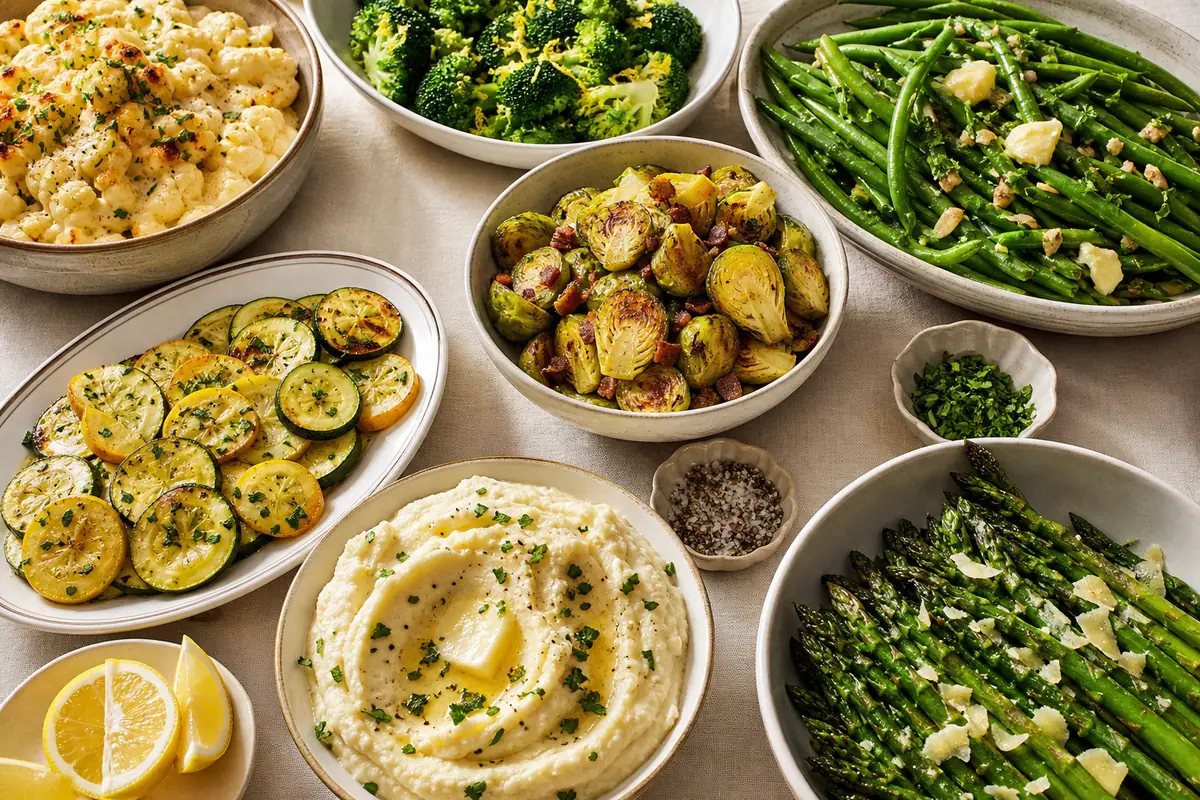
Raw vegetables do something that bread cannot: they add a cold, snappy crunch that breaks up the richness of the fondue pot. That contrast in temperature and texture is what makes crudités worth putting out every time.
The best raw options for a fondue spread are bell peppers, celery, endive leaves, radishes, and broccoli florets. Each has enough structural integrity to stay on a fondue fork without bending.
Mix in a few cooked vegetables alongside the raw ones. Blanched asparagus spears and steamed baby carrots are soft enough to absorb cheese well, while still giving you something to grip.
Two minutes in boiling water followed by an ice bath keeps them bright and tender.
A simple Caesar salad with cheese uses a similar principle: the crisp romaine cuts through fat the same way raw vegetables cut through a fondue. Set out a small herb vinaigrette alongside your crudités platter for guests who want an extra dipping option.
3. Cooked Vegetables
Cooked vegetables work differently from raw crudités at the fondue table. Their softened texture lets the cheese cling more fully, which means every bite delivers more flavor.
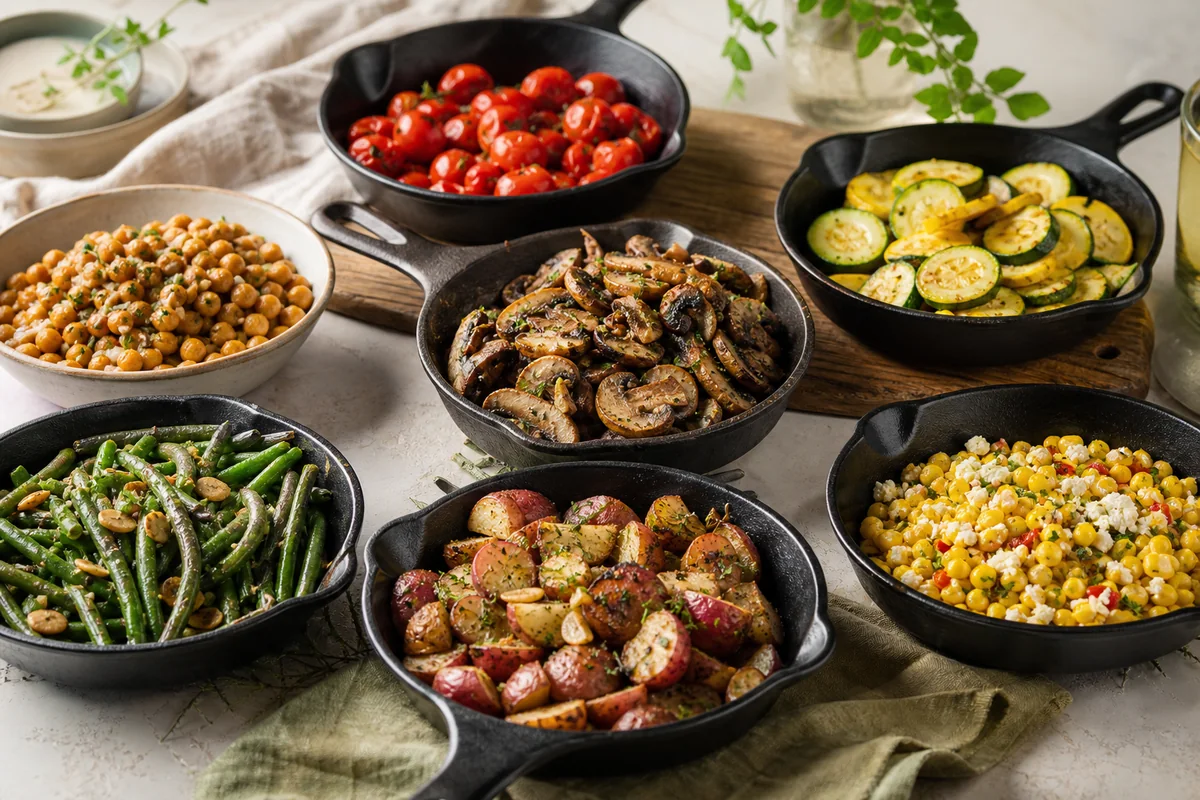
Mushrooms, zucchini, roasted cherry tomatoes, and caramelized onions are all strong picks. Mushrooms in particular have a meaty, earthy quality that holds up beautifully against a sharp Gruyère or a smoky raclette-style cheese.
Roasting is the most hands-off method: toss your vegetables with olive oil, salt, and pepper and roast at 400°F for 20 to 25 minutes until golden at the edges.
You can also do maple roasted Brussels sprouts as a standalone cooked vegetable option that adds a sweet, caramelized note to the spread.
Keep cooked vegetables warm in a low oven at 200°F until your guests are ready to eat. Cold cooked vegetables drop the temperature of the fondue faster than anything else on the table.
4. Salami or Cured Meats
Cured meats are a natural fit because their salt and fat content mirrors the profile of the cheese itself. The contrast comes from texture: chewy, dense salami against silky melted fondue.
Thinly sliced soppressata, prosciutto, and bresaola all work well. Salami holds up on a fondue fork and survives a quick dip; prosciutto is delicate enough to wrap around a piece of bread before dunking, which adds another layer of flavor.
For something with a bit of heat, add a few slices of Spanish chorizo to the board. Its paprika-forward flavor pairs especially well with a mild, buttery melted cheese with cold ham combination if you are building a larger spread.
Arrange the cured meats on a wooden board at room temperature, not straight from the refrigerator. Cold meat does not wrap easily and the fat flavor is muted when chilled.
5. Cubed Chicken or Shrimp
Adding a cooked protein turns cheese fondue from a snack into a proper meal. Cubed chicken and shrimp are the two best options because their mild flavor does not compete with the cheese.
For chicken, cut boneless thighs into 1-inch cubes and roast at 425°F for 18 to 20 minutes until cooked through. Thighs stay juicy on a skewer where breast meat tends to dry out.
If you are curious about what else pairs with roasted chicken, the guide on what sides work with roasted chicken has some useful overlap with fondue spreads.
Shrimp cook fast: two minutes per side in a hot skillet with olive oil, garlic, and a pinch of smoked paprika is all they need. Serve them slightly warm so they do not chill the fondue when dipped.
Season both proteins simply. Heavy marinades or sauces overpower the cheese, and the whole point of dipping is to let the fondue be the main flavor.
6. Apples Or Pears
Fruit and cheese is a classic pairing for good reason, and that logic extends directly to the fondue pot. The natural acidity and sweetness of apples and pears cuts through the fat of the melted cheese in a way that refreshes the palate between bites.
Granny Smith apples are the best apple choice here because their tartness is strong enough to register against a rich Gruyère. Bosc or Anjou pears are firmer varieties that hold up on a fondue fork without falling apart.
For a more complex flavor, halve the apple or pear slices and grill them in a dry pan over medium-high heat for 2 minutes per side. Grilling concentrates the sugars and adds a lightly caramelized edge that reads as almost savory next to the cheese.
A small splash of Calvados, the apple brandy from Normandy, added to the fondue pot itself deepens the apple note in the cheese without making the dish sweet.
7. Cookies or Brownies
This one surprises people, but salty-sweet combinations work just as well in a fondue spread as they do on a cheese board. Cookies and brownies dipped in a nutty, savory cheese fondue hit that same unexpected contrast.
Shortbread cookies are the most reliable pick because their buttery, lightly sweet flavor does not clash with a Gruyère or Comté-based fondue. Dense, fudgy brownies work similarly: their chocolate richness is assertive enough to hold its own next to a sharp cheese.
Keep portions small. One or two cookies or a single brownie square per person is enough to round out the spread as a dessert element without turning the whole meal sweet.
A drizzle of dark chocolate sauce alongside the cookies gives guests an extra dipping option, and a small bowl of flaky sea salt on the side lets people adjust the sweet-savory balance themselves.
8. Pretzels
The combination of pretzel and cheese is almost instinctive. That salty, slightly alkaline crust on a good pretzel is a natural partner for the tang of a wine-based cheese fondue.
Soft pretzels are better than hard pretzel sticks here because their chewy interior absorbs cheese the same way a baguette does.
Slice soft pretzels into thick chunks so they stay on the skewer and give you enough surface area to get a proper coating of cheese.
Sourdough pretzels are worth seeking out if you can find them. The fermented tang of sourdough adds another layer of flavor that makes a standard cheese fondue taste noticeably more complex.
Whole wheat pretzels are a slightly nuttier alternative.
Store-bought soft pretzels from the freezer section work perfectly here. Warm them at 350°F for 10 minutes, cut into chunks, and serve immediately so they stay chewy rather than stiff.
9. Potato Chips
Potato and cheese is a deeply natural pairing. For a more substantial potato side, the French aligot cheese potatoes show just how far that combination can go, but for fondue, chips bring the same logic in a lighter, crunchier format.
Thick-cut kettle chips hold up far better than thin chips when dipped. A thicker chip does not shatter the moment it hits the cheese and gives you enough surface to scoop a real amount of fondue.
- Strong cheddar fondue: Pair with russet or Yukon Gold kettle chips. The hearty flavor of the potato matches the sharpness of the cheese.
- Mild Gruyère fondue: Use lightly salted white potato chips. Their neutral flavor lets the wine and cheese notes come forward.
- For heat: Jalapeño or habanero chips add a spicy counterpoint that works especially well with a mild, buttery fondue.
- For sweetness: A thin drizzle of honey into the fondue pot alongside sweet potato chips creates a genuinely addictive savory-sweet bite.
10. Fruit Salad
A fruit salad alongside cheese fondue does two things: it refreshes the palate between dips and adds color to a spread that is otherwise mostly golden and brown.
The most important rule is to use firm, slightly tart fruit. Soft, overripe fruit will fall apart when skewered and its sweetness will be lost next to a rich cheese.
Green grapes, fresh figs, pear chunks, and apple slices all hold their shape and have enough acidity to work.
For a winter spread, combine pears, apples, and blood orange segments. For summer, sliced peaches and firm nectarines work well.
Toss the fruit with a teaspoon of fresh lemon juice to prevent browning and add a small amount of brightness.
Fresh mint or a pinch of ground ginger tossed through the fruit adds a subtle warmth that bridges the sweet and savory elements on the table. Skip any creamy dressings: the cheese fondue is already providing all the richness the table needs.
11. Cheese Straws or Crackers
Crackers are the low-effort backbone of any fondue spread. They are sturdy enough to hold a blob of melted cheese, and their neutral flavor does not compete with what is in the pot.
A thin, water-based cracker like a water biscuit or a plain flatbread cracker works best. Overly flavored crackers, especially those with strong herbs or seeds, can clash with the wine notes in a classic Swiss fondue.
Cheese straws are a step up. Baked with actual Parmesan or sharp cheddar worked into the dough, they add a second layer of cheese flavor to every bite.
The guide on cheese straw side dishes covers how to round out that option further if you want to build a more complete spread around them.
Set out both options so guests have a choice of thickness. Thinner crackers snap cleanly and are easier to eat delicately, while thicker crackers scoop more cheese and are more satisfying for bigger appetites.
12. Chutney or Pickles
Acidity is the one element most fondue spreads are missing. Chutney and pickles solve that problem directly.
The vinegar in pickles and the tart fruit base of a chutney both cut through the fat of the melted cheese and reset your palate. Without something acidic on the table, the richness of the fondue becomes overwhelming halfway through the meal.
Cornichons are the traditional choice in Swiss and French fondue service, and for good reason. Their sharp brine, firm snap, and small size make them easy to eat between dips.
A simple apple chutney with onion and cider vinegar gives you a sweeter, fruitier option that pairs especially well with a sharper aged Gruyère.
Serve both in small individual bowls or ramekins rather than one large dish. That way guests can reach them easily without disrupting the spread, and the acidity stays separate from the sweeter elements like fruit until each person decides how to combine them.
12 Best Sides to Serve with Cheese Fondue
These 12 sides give you a complete fondue spread: starchy dippers, acidic bites, sweet fruit, savory proteins, and crunchy snacks. The goal is variety so every guest finds something that works for their taste.
A few of these sides, like the garlic butter roasted baby potatoes and crispy Hasselback potatoes, work just as well as standalone sides as they do alongside the fondue pot.
Both have a golden exterior that holds up when dipped and a fluffy interior that absorbs cheese beautifully.
For the sauce lovers at the table, a quick look at Philly cheesesteak sauce options can give you ideas for a secondary dipping sauce to set out alongside the fondue, particularly if you are serving chicken or shrimp as part of the spread.

Carrie is a food writer and editor with more than 15 years of experience. She has worked for some of the biggest names in the food industry, including Bon Appétit, Food & Wine, and Martha Stewart Living.
As the Editor in Chief of EpicureDelight, Carrie oversees all of the content on the site. She also manages the team of contributing writers and editors, who help to create delicious recipes, helpful tips, and informative articles that you’ll find on the site.
A native of the Chicago area, Carrie is passionate about all things food. She loves trying new restaurants and experimenting with new recipes in her kitchen. She’s also a graduate of the Culinary Institute of America, so she knows a thing or two about food!