What to Serve with Italian Braciole? 12 Must-try Side DishesItalian braciole is one of those dishes that demands a proper table. Thin slices of beef, rolled around a savory filling of breadcrumbs, hard-boiled eggs, and herbs, then braised low and slow in tomato sauce - it is rich, tender, and deeply flavored.
The sides you choose need to either absorb that sauce or cut through the richness entirely.
The good thing is that braciole is flexible. It works with classic roast beef side dishes just as well as it does with lighter Italian-inspired options.
We pulled together 12 sides that actually work here - carb-forward options for soaking up sauce, greens for contrast, and grain salads for something more substantial.
Italian braciole pairs best with sides that can absorb rich tomato braising sauce or provide textural contrast. Top choices include creamy polenta, pasta, mashed potatoes, and garlic bread for sauce-soaking. For lighter contrast, go with sautéed kale, steamed broccoli, or a farro salad.
12 Best Side Dishes for Italian Braciole
1. Pasta
Pasta is the most traditional pairing for braciole, and there is a good reason Italian-American Sunday dinners almost always include both on the same table. The braising sauce pulls double duty - it coats the beef and becomes a ready-made pasta sauce.
Rigatoni or pappardelle work especially well because their ridges and wide surface area hold thick tomato sauce without letting it slide off. Cook pasta to al dente so it keeps some bite against the tender braciole.
Add a handful of fresh basil right before serving, and shave some Pecorino Romano over the top. A protein-rich meat sauce alongside is optional - the braciole braising liquid is usually enough on its own.
2. Salad
A crisp salad is one of the most effective ways to balance the richness of braciole. It refreshes the palate between bites of beef and cuts through the deep tomato flavors.
A straightforward Caesar or a bright arugula salad with shaved Parmesan both work well here.
The dressing ratio matters: use 1 part acid to 3 parts olive oil so it stays light and does not compete with the braising sauce. Lemon juice works better than balsamic here because it brightens without adding sweetness.
Aim for contrast in texture too. Crisp romaine, toasted breadcrumbs, and some creamy avocado give the salad enough interest to stand alongside a plate this rich.
Keep toppings focused - two or three elements is enough.
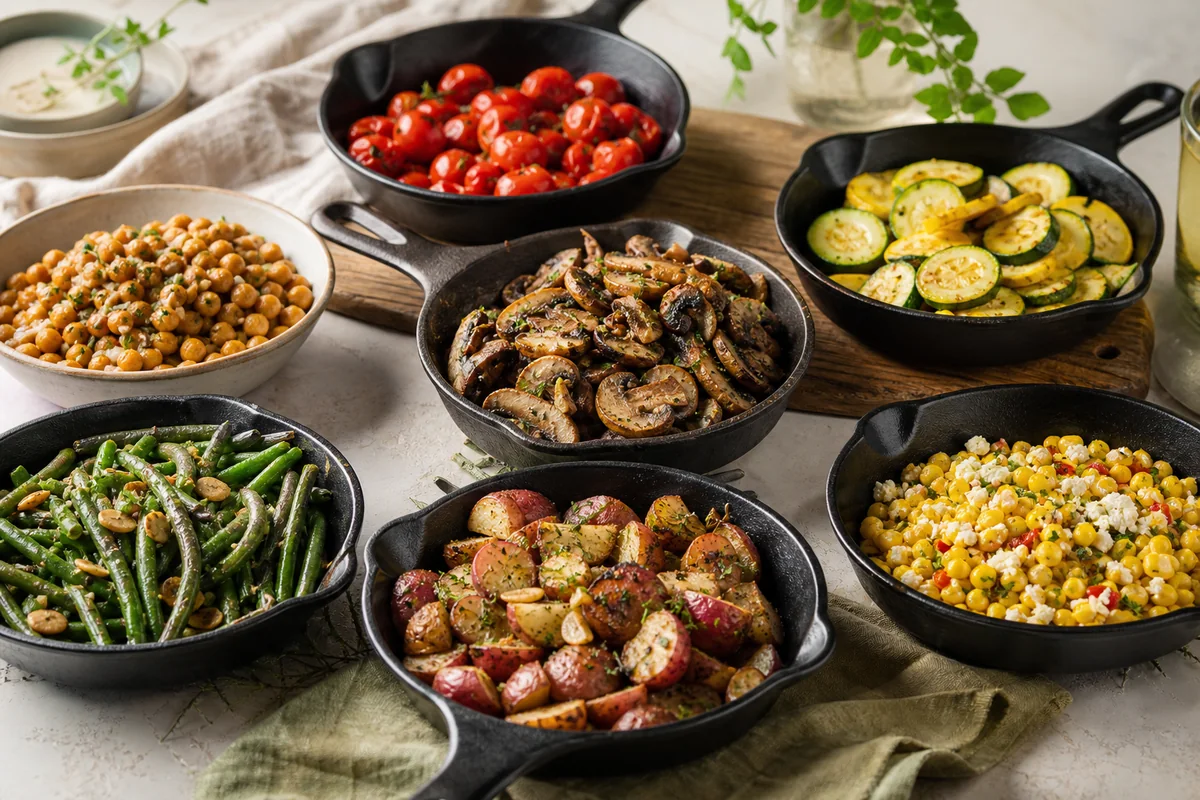
3. Roasted Vegetables
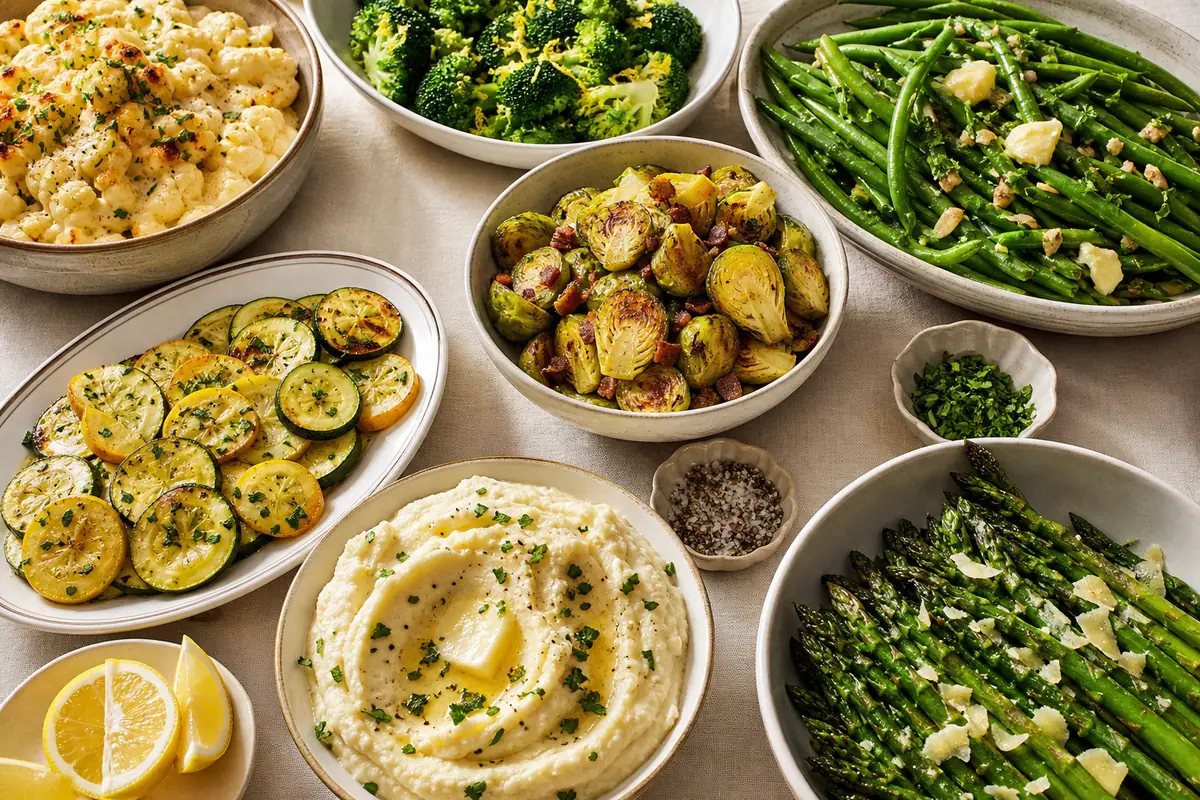
Roasting concentrates the natural sugars in vegetables, which creates a slight caramelized sweetness that pairs well with the savory depth of braciole. Zucchini, bell peppers, and fennel are particularly good choices here - all of them read as Italian in flavor profile.
Cut everything into similarly sized pieces so they roast evenly at 425°F. Uneven cuts mean some pieces turn mushy while others are still raw in the center.
Toss a few unpeeled garlic cloves onto the pan as well. They roast soft and sweet in about 25 minutes, and you can squeeze them over the finished vegetables for a mellow garlic flavor that complements the braciole's stuffing.
Roast vegetables at 425°F on a single layer. Crowding the pan steams them instead of caramelizing, and you lose the golden edges that make them worth serving alongside braciole.
4. Garlic Bread
Garlic bread next to braciole is practical as much as it is delicious. You need something to mop up the braising sauce, and a thick slice of toasted ciabatta loaded with garlic butter does that job better than almost anything else.
Our tomato basil bruschetta is another option if you want something slightly lighter.
Use one clove of garlic per two slices of bread as a starting point. A sourdough or ciabatta loaf holds up better under the butter than soft sandwich bread, which goes soggy before it crisps.
Mix minced garlic into softened butter, spread it generously, and bake at 375°F until the edges are golden and crispy - about 12 minutes. For extra richness, add shredded mozzarella on top and broil for 2 minutes until bubbling.
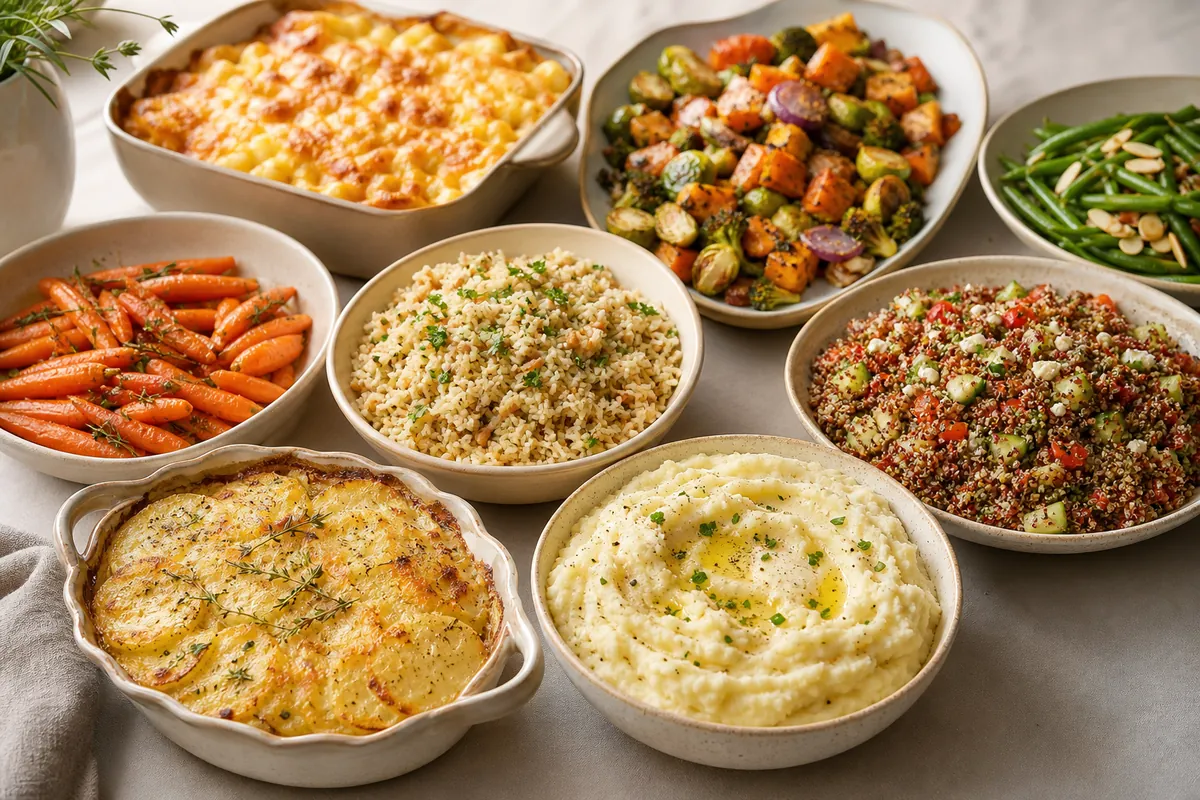
5. Mashed Potatoes
Velvety mashed potatoes are a natural landing pad for braciole's tomato braising sauce. The mildness of the potatoes does not compete with the beef - it simply carries the sauce where you want it.
Those wondering about what sides work with beef tenderloin will find mashed potatoes appears on that list too, for the same reason.
Use Yukon Gold potatoes for a naturally buttery, creamy texture without having to add excessive butter. Roasted garlic folded into the mash adds depth without sharpness.
Season aggressively with salt and white pepper, and finish with a drizzle of good olive oil instead of more butter if you want a lighter result. Try our garlic Parmesan smashed potatoes for a crispier variation that still soaks up sauce well.
6. Steamed Broccoli
Broccoli's mild bitterness and firm texture are exactly what a heavy braised beef dish needs alongside it. It provides a green, fresh note that keeps the plate from feeling one-dimensional.
This is one side that works across many Italian-American main dishes, much like the sides that pair with Italian meatloaf.
Steam broccoli for 4 to 5 minutes so it stays bright green and has a slight crunch - overcooked broccoli turns gray and loses the textural contrast you are after.
Drizzle with olive oil and a squeeze of lemon, then add a pinch of chili flakes and shaved Parmesan. If you want a smokier edge, transfer the steamed florets to a 400°F oven for 5 minutes to pick up some char on the tips.
7. Sautéed Kale
Sautéed kale is a traditional Italian green side that fits braciole more naturally than most people expect. In Italy, braised and sautéed leafy greens - called verdure - are a standard accompaniment to slow-cooked meat dishes.
Kale holds up to heat without collapsing the way spinach does.
Render a few slices of diced pancetta in the pan first, then add two minced garlic cloves before tossing in the kale. The fat from the pancetta seasons the greens as they wilt.
Cook over medium-high heat for about 6 minutes, stirring regularly. Finish with a small splash of white wine vinegar to sharpen the flavor and balance the richness of the braciole.
8. Green Beans
Green beans bring a snappy crunch and clean flavor that works as a counterpoint to the soft, braised texture of braciole. They are quick to prepare and do not need much to be good - the simplicity is the point.
The same principle applies to sides for Italian beef sandwiches, where green beans offer similar relief from rich, saucy meat.
Blanch green beans in salted boiling water for 3 minutes, then transfer immediately to an ice bath to lock in the color and snap.
Sauté them with olive oil, sliced garlic, and a handful of toasted pine nuts for texture. Sautéed mushrooms or caramelized shallots added to the pan give the beans extra depth without making them heavy.
9. Roasted Sweet Potatoes
The earthy sweetness of roasted sweet potatoes creates an interesting contrast with the acidic tomato braising sauce in braciole. They are not a traditional Italian pairing, however they work because the sweetness offsets the savory depth of the dish.
Cut sweet potatoes into 1-inch cubes, toss with olive oil and fresh rosemary, and roast at 400°F for 25 to 30 minutes until the edges caramelize. Flip them once at the halfway point.
A pinch of smoked paprika or chili powder before roasting adds warmth without overpowering. Finish with a drizzle of honey right out of the oven if you want to lean into the sweet-savory contrast.
10. Quinoa Salad
Quinoa salad is a lighter alternative to pasta when you still want a grain on the table. Quinoa contains all nine essential amino acids and has a mildly nutty flavor that does not compete with the braciole's tomato sauce.
Think of it as a grain salad that keeps the plate feeling complete without adding more richness. If you prefer a faster option, our quick takeout-style fried rice shows how grain sides can be done in under 15 minutes.
Toast the quinoa dry in the pan for 2 minutes before adding water - it deepens the nutty flavor noticeably. Use a 1:1.75 ratio of quinoa to water and simmer covered for 15 minutes.
Dress it with lemon juice and olive oil while still warm so the grains absorb the dressing. Toss in some chopped cucumber, cherry tomatoes, and fresh parsley, then add a handful of dried cranberries for a touch of sweetness against the savory beef.
11. Farro Salad
Farro is an ancient Italian grain with a chewy texture and nutty, slightly earthy flavor. It is a more traditional pairing for braciole than quinoa, and it holds up to bold braising sauce without turning mushy.
Pearl farro cooks in about 25 minutes, which makes it practical for a weeknight table.
Cook farro in chicken or vegetable broth instead of water to build flavor from the start. Here are a few ways to build a farro salad worth serving:
- Use warm farro: Dress it immediately after cooking so the grains absorb the vinaigrette while they are still hot.
- Add roasted vegetables: Roasted red peppers, eggplant, or sweet potato add sweetness and char that complement the braciole.
- Finish with acid: A dressing of lemon juice, olive oil, and one minced garlic clove ties everything together cleanly.
- Add crunch: Toasted walnuts or pumpkin seeds break up the chewy texture of the farro.
- Keep herbs fresh: Flat-leaf parsley or fresh mint added right before serving keeps the salad bright.
12. Rice Pilaf
Rice pilaf is a mild, versatile side that absorbs the tomato braising sauce from braciole without adding competing flavors. The technique of toasting the rice in butter before adding broth gives it a light nuttiness and keeps each grain separate.
The same approach that works for roasted chicken sides applies here - a simple rice pilaf lets the main dish stay the focus.
Toast long-grain white rice in butter for 2 minutes before adding warm chicken broth at a 1:1.75 ratio. Cover and simmer on low for 18 minutes without lifting the lid.
Stir in sautéed onion, fresh thyme, and a handful of toasted pine nuts once the rice is done. For a sweet-savory variation, fold in some dried apricot or golden raisins - the sweetness plays well against the deeply savory braciole braising sauce.
For a traditional Italian-American plate, pair braciole with creamy Italian polenta and a handful of sautéed kale. The polenta soaks up every drop of tomato sauce while the bitter greens balance the richness of the beef.
12 Complementary Sides for Italian Braciole
These 12 sides cover the full range of what braciole needs at the table. Pasta, polenta, and garlic bread handle the sauce-soaking.
Greens like kale and broccoli provide contrast. Farro, quinoa, and rice pilaf offer a middle ground - substantial enough to be satisfying, light enough not to overwhelm.
The best pairing depends on the occasion. A Sunday dinner calls for pasta or garlic butter roasted baby potatoes alongside the braciole.
A weeknight plate might just need sautéed kale and some crusty bread.
Pick two or three sides that cover different textures and you will have a table that feels complete without being excessive.

Carrie is a food writer and editor with more than 15 years of experience. She has worked for some of the biggest names in the food industry, including Bon Appétit, Food & Wine, and Martha Stewart Living.
As the Editor in Chief of EpicureDelight, Carrie oversees all of the content on the site. She also manages the team of contributing writers and editors, who help to create delicious recipes, helpful tips, and informative articles that you’ll find on the site.
A native of the Chicago area, Carrie is passionate about all things food. She loves trying new restaurants and experimenting with new recipes in her kitchen. She’s also a graduate of the Culinary Institute of America, so she knows a thing or two about food!