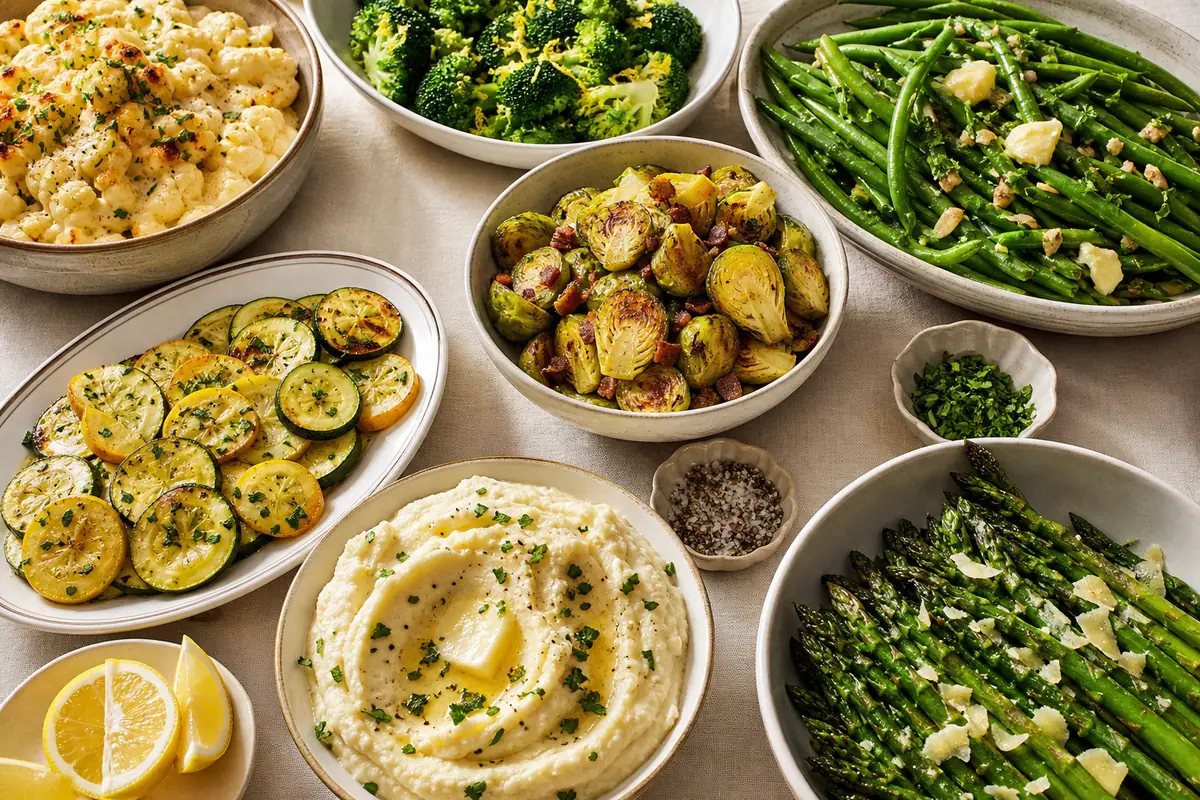
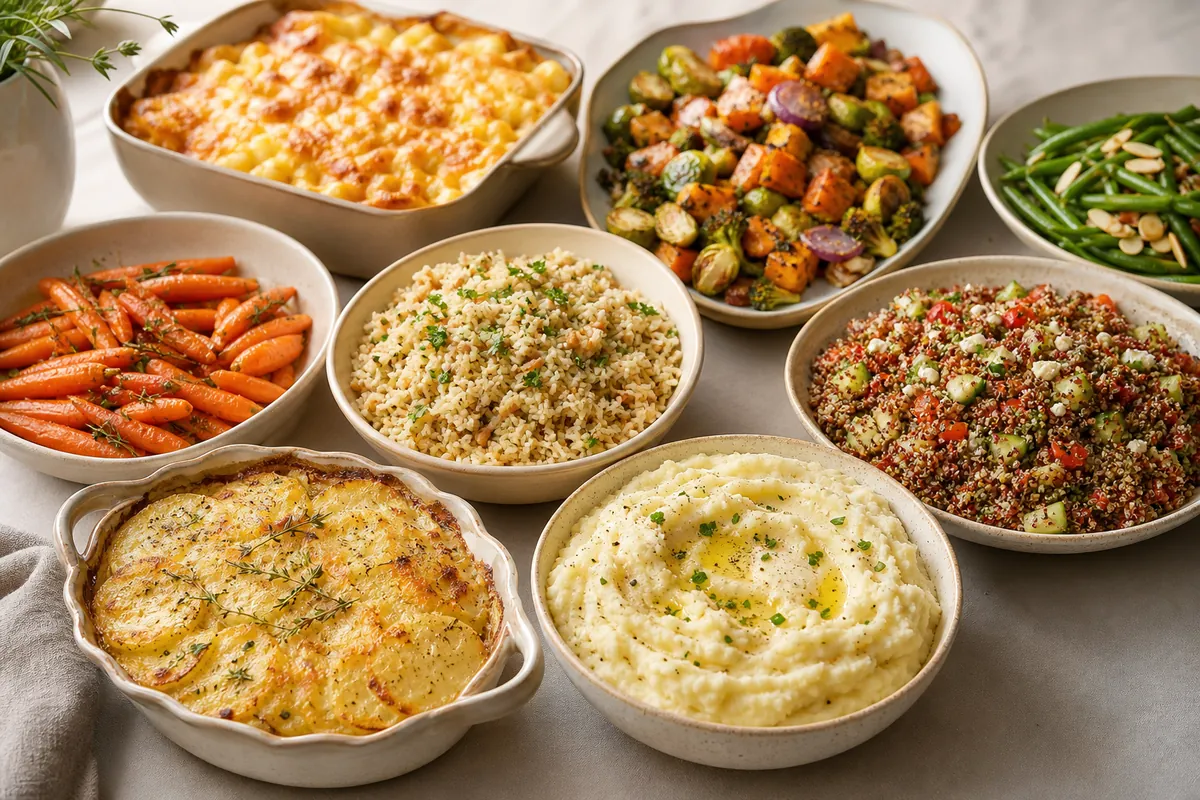
Serve prime rib with one classic starch, one green vegetable, one fresh or acidic side, and horseradish cream. Yorkshire pudding, mashed potatoes, green beans, arugula salad, and roasted carrots all support the roast without hiding its rich beef flavor.
Limit the menu to four supporting roles unless the table is very large. Prime rib already brings fat, deep browning, and a generous portion, so every side should add a new texture or contrast.

Yorkshire pudding is the classic first choice for prime rib. Add a green vegetable, a sharp salad, and horseradish cream, then use the roast's resting time to finish the last hot side.
Build the Plate Around Four Roles
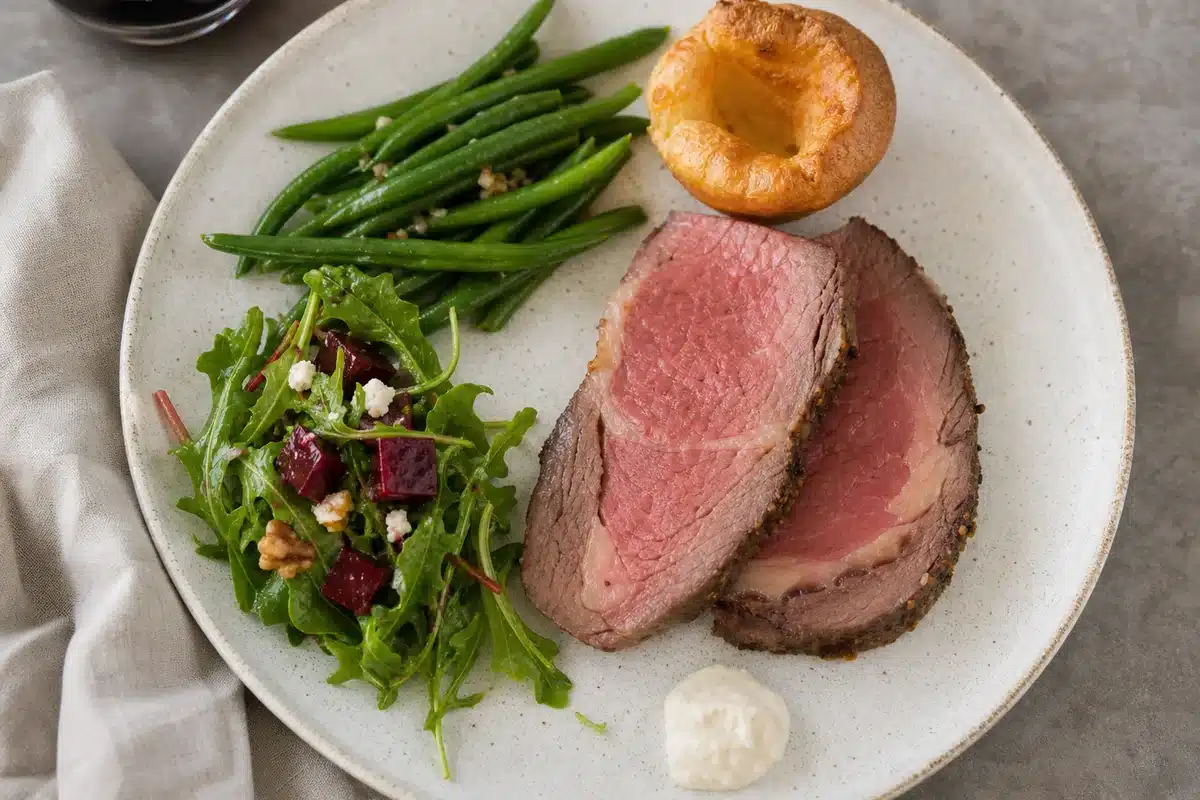
Begin with the roast, then fill only the gaps around it. A starch catches juices, a green vegetable adds snap, a fresh side clears the palate, and a condiment supplies heat or acid.
| Dinner size | Menu structure | Useful combination |
|---|---|---|
| Two to four people | Starch, green vegetable, sauce | Mashed potatoes, green beans, horseradish cream |
| Five to eight people | Starch, two vegetables, fresh side, sauce | Yorkshire pudding, carrots, spinach, arugula salad |
| Holiday buffet | Two starch choices, two vegetables, salad, sauce | Pudding, gratin, asparagus, beets, fennel salad |
Rich sides still need limits. If potato gratin is on the table, choose plain green beans instead of creamed spinach.
If the vegetable is creamy, use Yorkshire pudding or roasted potatoes as the drier starch.
Au jus and gravy also change the menu. Thin jus needs a side with pockets or ridges, such as Yorkshire pudding or mashed potatoes.
Thick gravy can make those same sides heavy, so pair it with roasted potatoes and a sharp green vegetable.
Plan roughly two vegetable servings for every starch serving on a buffet. Guests may choose different vegetables, but the table still has enough fresh contrast after the first tray of potatoes is served.
| Rank | Side | Best for | Prep |
|---|---|---|---|
| 1 | Yorkshire pudding | Classic roast dinner | Medium |
| 2 | Mashed potatoes | Small dinner | Easy |
| 3 | Potato gratin | Holiday table | Medium |
| 4 | Crisp roasted potatoes | Dry texture | Medium |
| 5 | Soft dinner rolls | Large buffet | Easy |
| 6 | Mustard green beans | Best green side | Easy |
| 7 | Roasted Brussels sprouts | Bitter contrast | Easy |
| 8 | Glazed carrots | Color and sweetness | Easy |
| 9 | Lemon asparagus | Spring dinner | Easy |
| 10 | Creamed spinach | Dry starch menu | Medium |
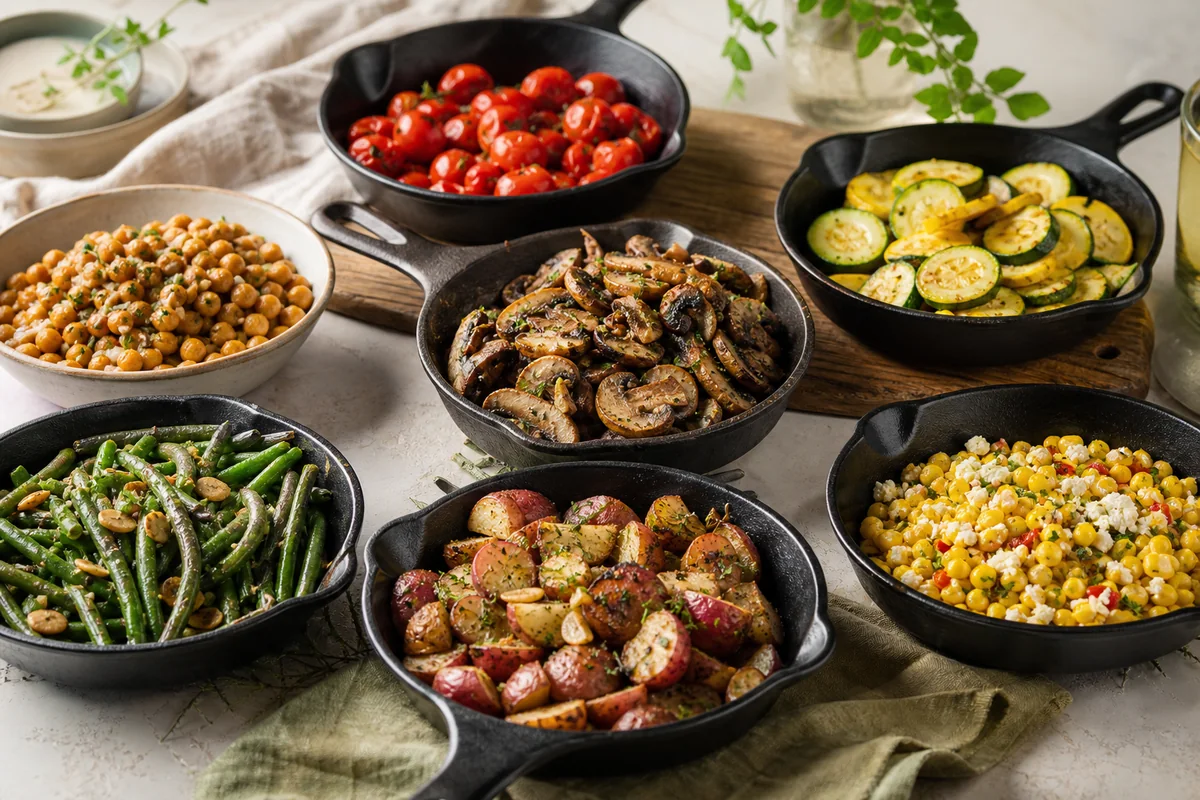
| 11 | Browned mushrooms | Earthy menu | Easy |
| 12 | Lemon arugula salad | Fresh finish | Easy |
| 13 | Beet goat cheese salad | Make-ahead color | Medium |
| 14 | Fennel citrus salad | Rich roast | Easy |
| 15 | Horseradish cream | Sharp condiment | Easy |
Choose One Starch Worth the Oven Space
The roast controls the oven for most of the meal. The best starch either cooks elsewhere, waits well, or fits into the period after the beef comes out.
1. Yorkshire Pudding
Yorkshire pudding has a crisp rim, a soft center, and enough open space to catch beef juices.
Its airy structure feels lighter than a dense casserole even though the batter cooks in hot fat.
Mix the batter early and bake it while the roast rests.
The oven must be hot, so this choice works best when no delicate casserole is waiting at a lower temperature.
2. Mashed Potatoes
Mashed potatoes are reliable for a small dinner because they hold warm on the stovetop. Their mild flavor suits au jus, horseradish cream, and deeply seasoned crust.

Keep the potatoes loose enough to receive juices. Heavy cheese and bacon turn them into a second centerpiece.
3. Potato Gratin
Thin potato layers, cream, and browned edges make gratin fit a formal holiday meal.
The dish can rest for 20 to 30 minutes without losing its shape.
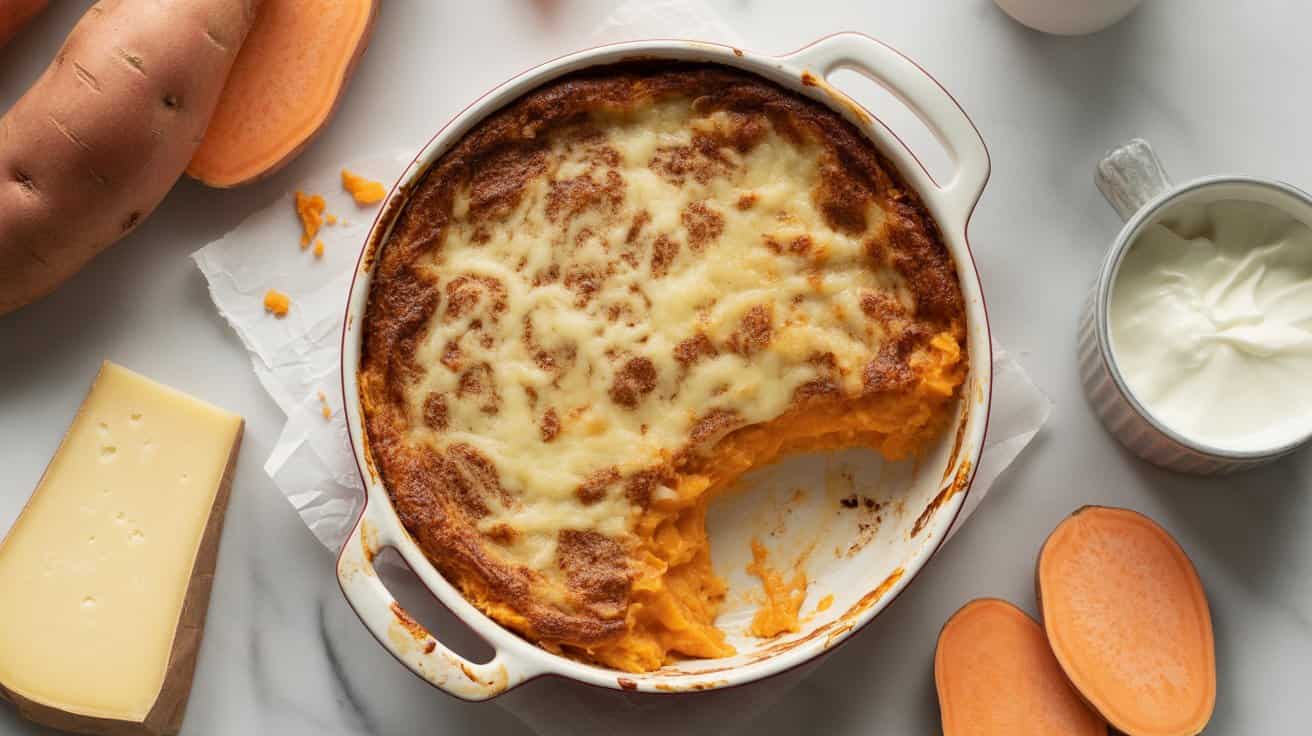
It also uses significant oven time.
Bake it before the roast or use a second oven, then pair it with sharp greens rather than another creamy side.
4. Crisp Roasted Potatoes
Roasted potatoes give the plate a firm, browned texture that mashed potatoes cannot.
Small potatoes or rough-cut chunks develop more edges for pan juices. Parboil and rough them up before the roast goes into the oven.
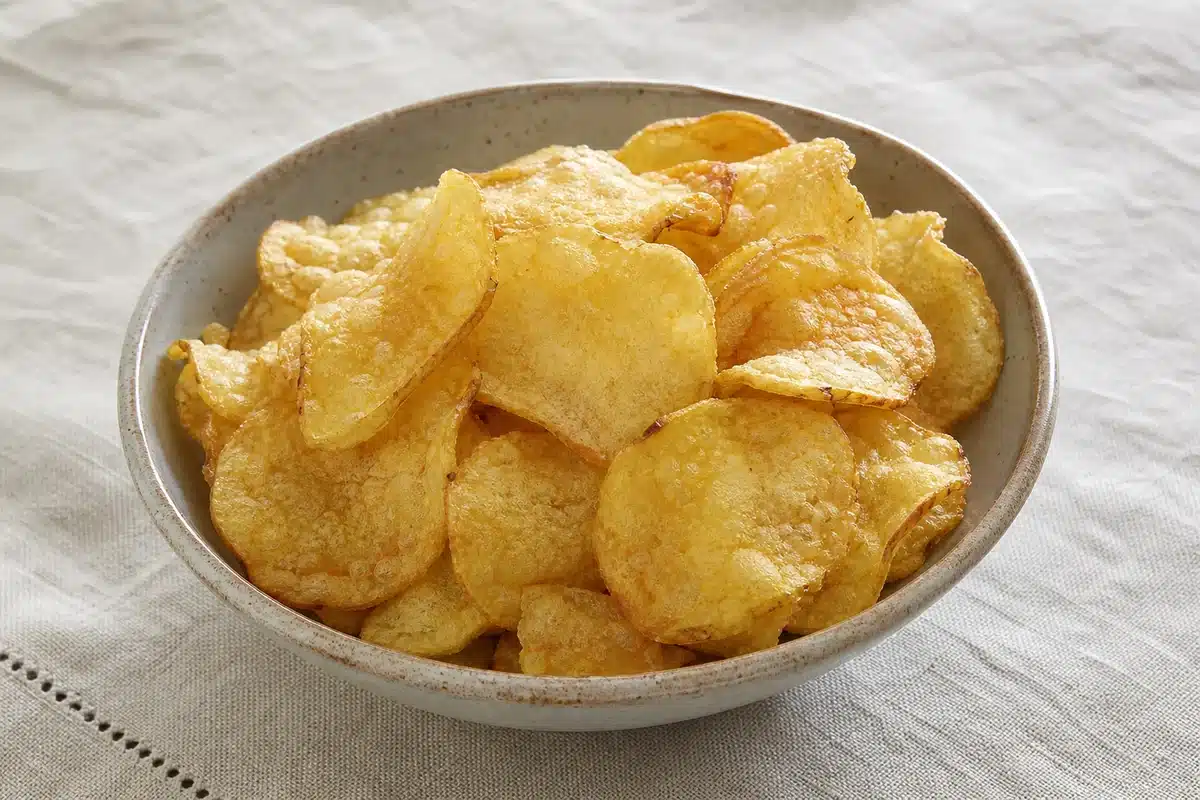
Finish them at high heat during the rest, with enough tray space for dry air to circulate.
5. Soft Dinner Rolls
Dinner rolls require no last-minute burner or oven space if they are served at room temperature. They suit a large buffet where guests want a small piece of bread for jus.

Skip rolls when Yorkshire pudding and potatoes are already offered. Three starches take space away from the vegetables that balance the beef.
Let the Vegetables Carry Contrast
6. Mustard Green Beans
Green beans stay firm and bring a clean green flavor.
A mustard vinaigrette adds enough acid to stand beside fatty rib meat without becoming another sauce. Blanch the beans early, chill them, then warm them quickly in a skillet.
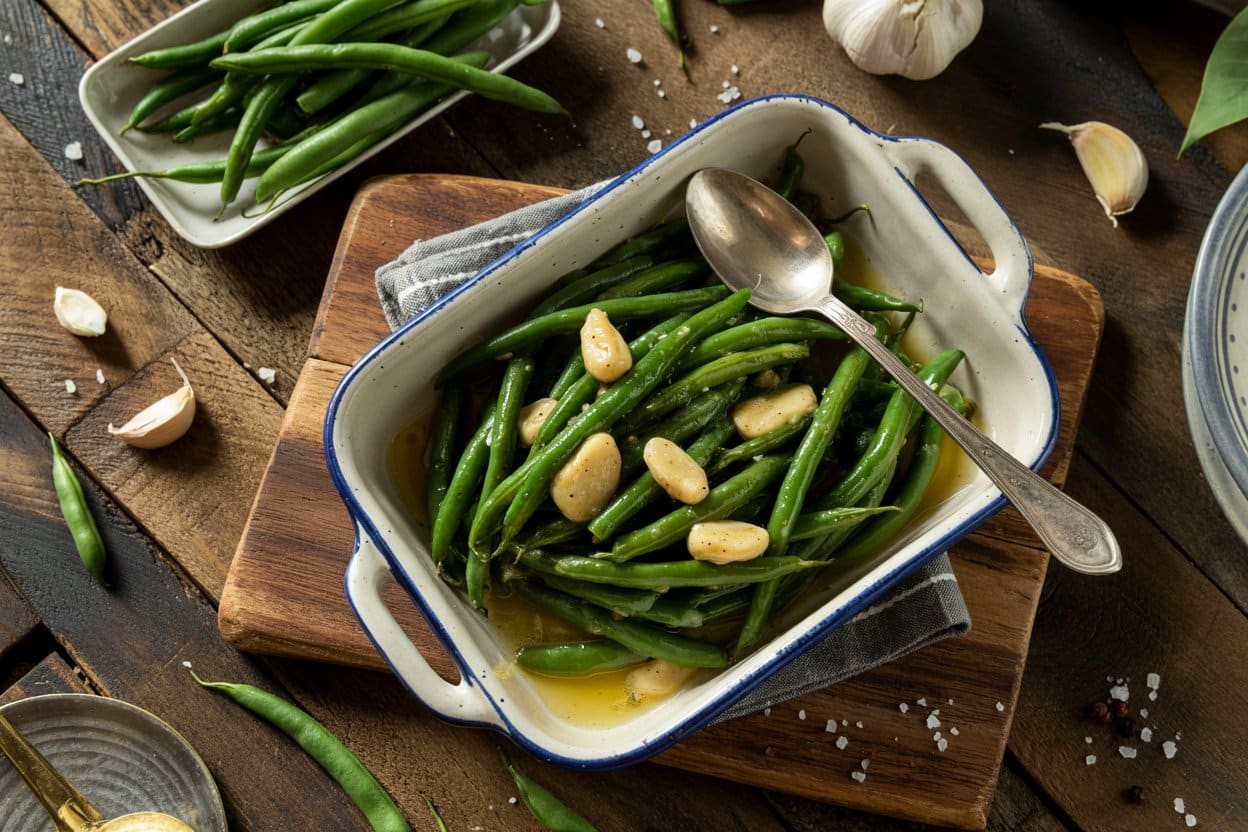
This keeps their color and avoids a crowded oven.
7. Roasted Brussels Sprouts
Brussels sprouts add bitter leaves and crisp edges. Lemon or a small splash of vinegar keeps their roasted flavor from merging with the beef crust.

Leave out bacon when the roast is well marbled. The sprouts can supply contrast instead of more pork fat.
8. Glazed Carrots
Carrots give the table color and gentle sweetness. Use butter, thyme, and a small amount of honey or maple so the vegetable still tastes savory.

Cook them on the stovetop when oven space is tight. A squeeze of lemon at the end prevents the glaze from reading like dessert.
9. Lemon Asparagus
Asparagus cooks fast and gives a spring menu a grassy, slightly bitter note. Thick spears hold their shape beside a heavy slice of beef.
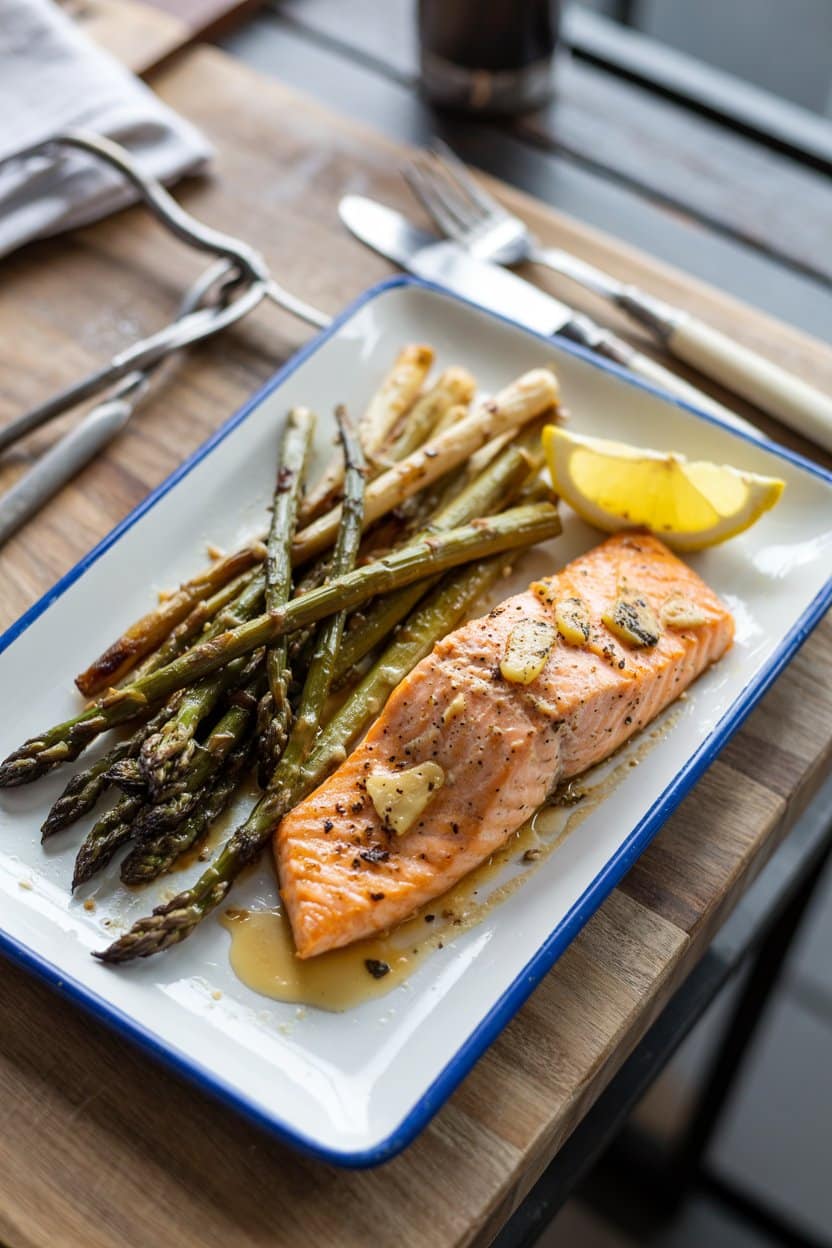
Roast or broil them during the last part of the resting window. Add lemon after cooking so the tips brown instead of steaming in juice.
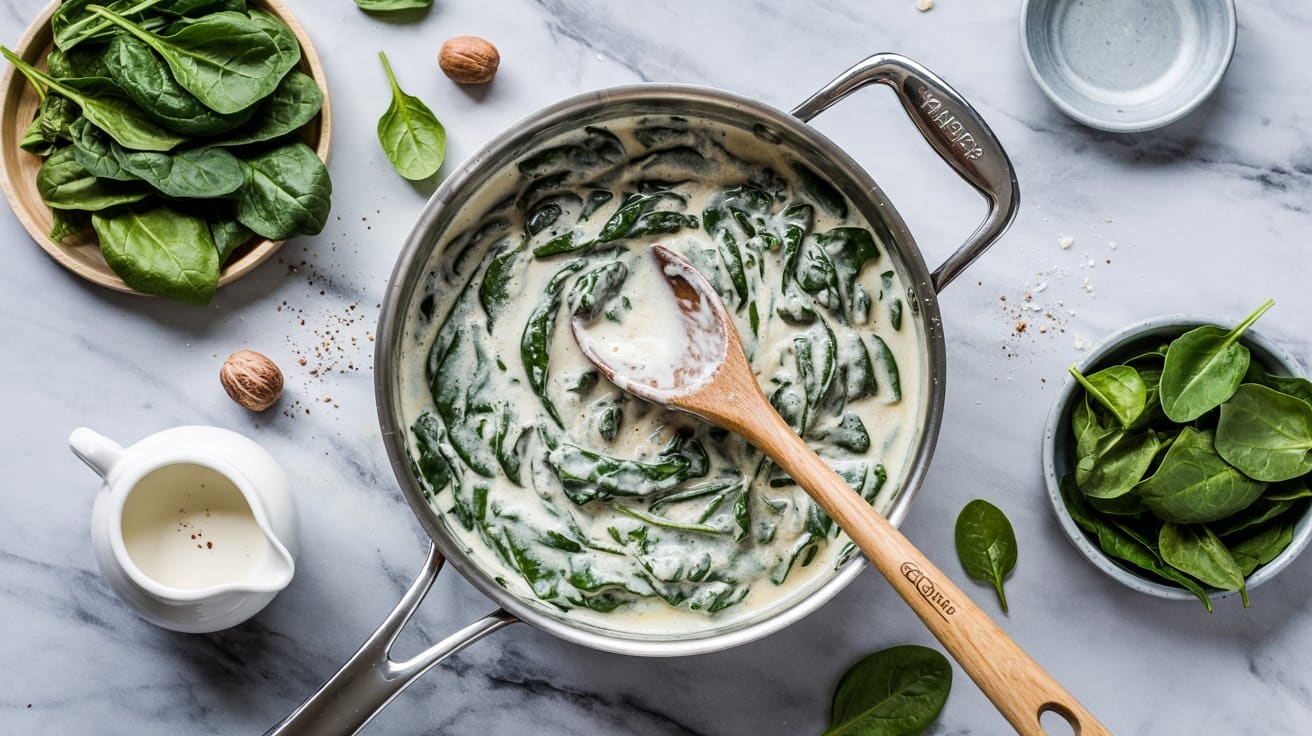
10. Creamed Spinach
Choose creamed spinach when the starch is dry, such as Yorkshire pudding or rolls. Nutmeg and black pepper keep the soft leaves savory.
11. Browned Mushrooms
Choose mushrooms when the rest of the plate is bright and green. Cook off their water so they taste browned rather than boiled.
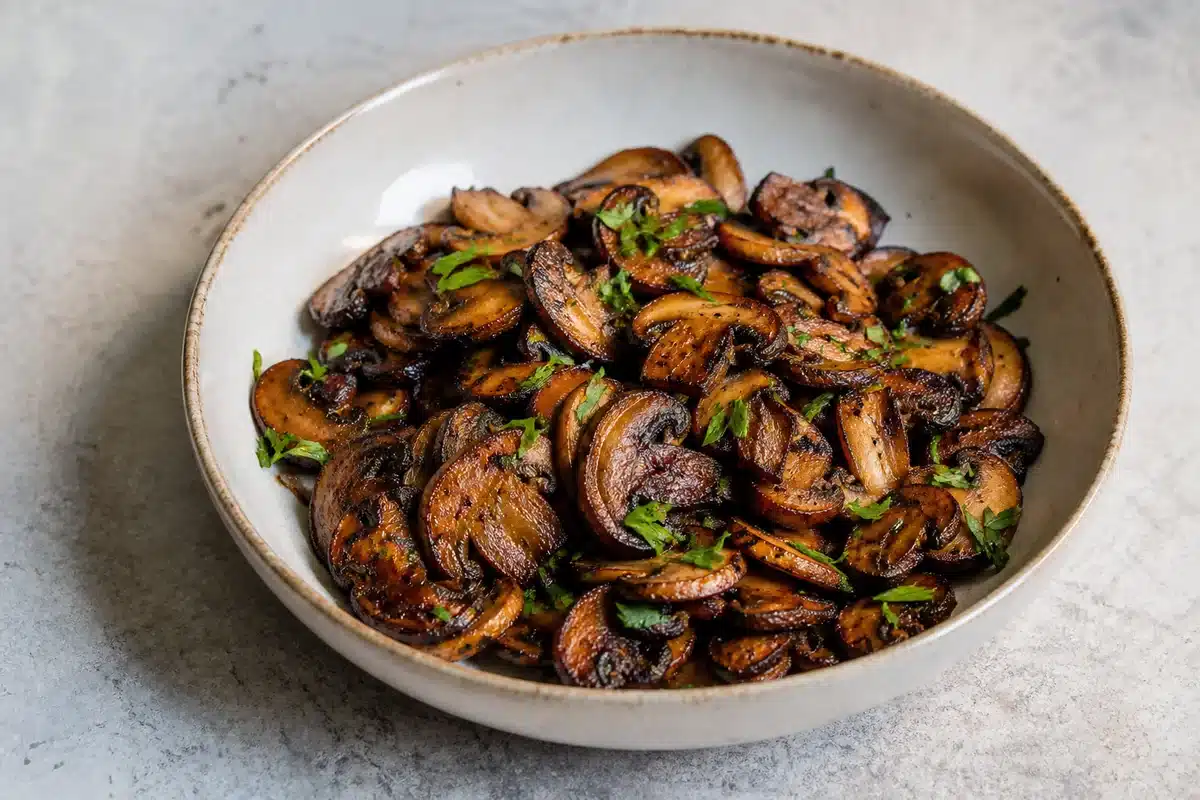
Spinach and mushrooms both deepen the savory side of the menu. Serving both can make the plate dark and soft, so pick one and let a crisp vegetable handle the other role.
Finish With Something Sharp or Fresh
12. Lemon Arugula Salad
Arugula brings peppery leaves that match horseradish without copying it.
Lemon and olive oil are enough for a salad served beside well-seasoned beef. Dress it after carving starts.
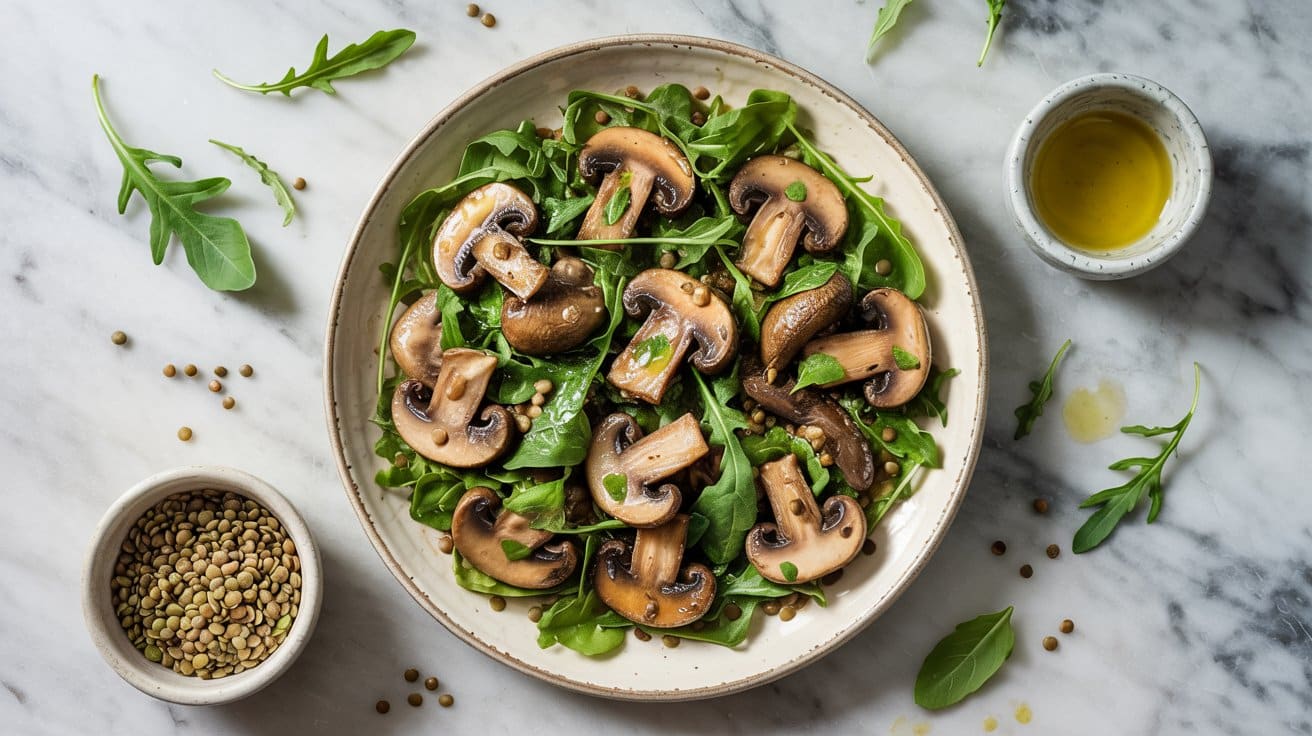
Warm plates and beef juices wilt the leaves quickly.
13. Beet and Goat Cheese Salad
Beets echo the roast's earthy flavor, while vinegar gives the salad lift.
A small amount of goat cheese adds tang without turning the side creamy. Prepare the beets a day ahead and serve them cool or at room temperature.

Keep the portion modest because their sweetness builds beside carrots.
14. Fennel Citrus Salad
Raw fennel has a hard crunch and a clean anise note.
Orange or grapefruit supplies juice and acidity that cuts through the fatty edge of prime rib. Slice the fennel very thin and season shortly before dinner.
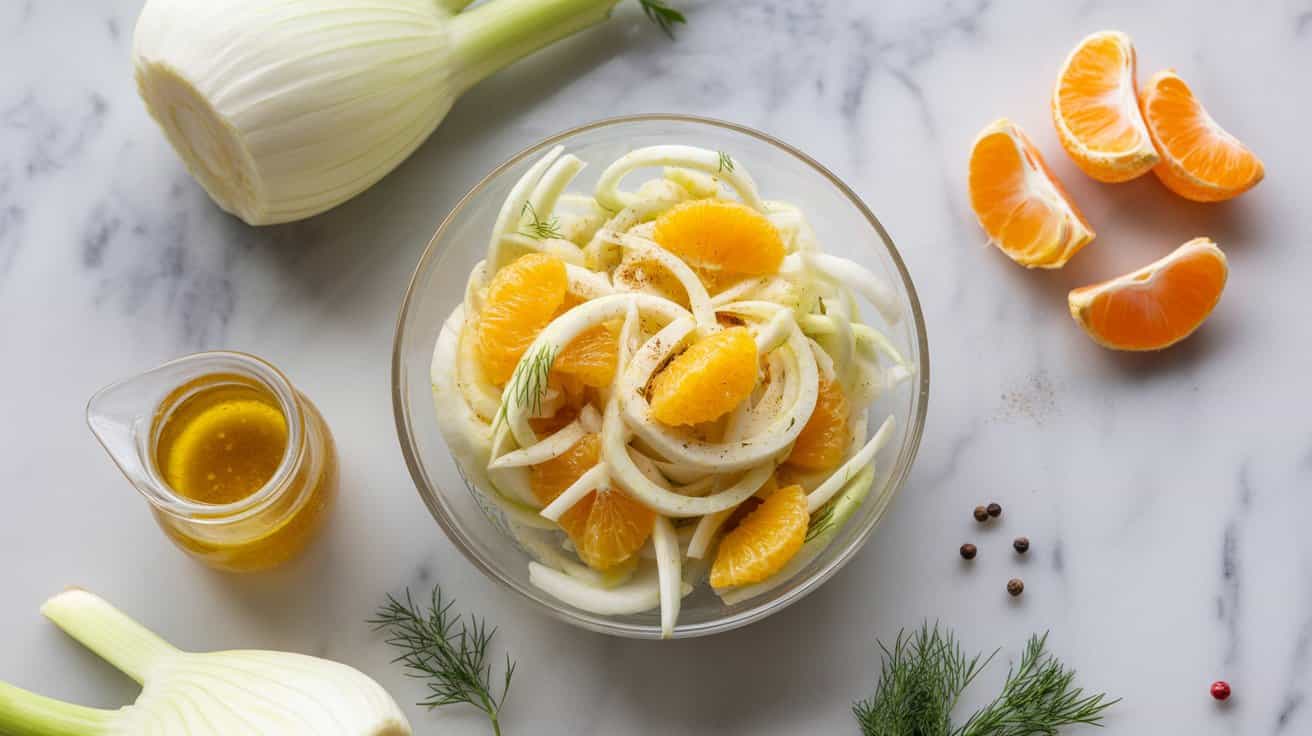
Salt draws out water and softens its best texture.
15. Horseradish Cream
Horseradish cream is an accent rather than a scoopable side, yet it does a distinct job on the plate. Its sharp heat reaches through beef fat, while sour cream cools the finish.
Serve one or two teaspoons per person in a small bowl. The beef industry pairing guide also treats horseradish and cream as a classic match for rib roast.
- Put sauce beside the beef. Diners can add heat without covering the crust.
- Salt vegetables lightly. The roast, jus, and sauce already bring seasoning.
- Keep salad off hot plates. Serve it from a separate bowl at the table.
Use the Roast Rest as Your Final Cooking Window
The USDA advises cooking beef roasts to a minimum internal temperature of 145°F and resting them for at least three minutes. A large prime rib often rests longer for easier carving and juice retention, which gives the kitchen a useful finishing window.
- Move the roast to a board. Keep it uncovered or tent it loosely so the crust stays firm.
- Raise the oven heat. Finish Yorkshire pudding, potatoes, rolls, or asparagus.
- Warm stovetop sides. Stir potatoes, carrots, beans, or spinach and check seasoning.
- Dress the fresh side. Add vinaigrette only after the hot dishes are ready.
- Carve and serve. Bring sauce and salad separately so guests control the plate.
Do not judge safety from the color of the center alone. Use a thermometer in the thickest part without touching bone, then let the measured roast rest before carving.
Carve only part of a large roast at first. The uncut section holds heat and moisture better, while hot sides remain easier to refresh in small batches.
Bring out more beef when the first platter is nearly empty.
Save This Prime Rib Side Plan
Keep the four-role menu, all 15 pairings, and final oven sequence for your next roast dinner.
Sources
- USDA Food Safety and Inspection Service, Safe Internal Temperatures for Meat and Poultry
- Beef. It's What's For Dinner, Rib Roast With Horseradish Sauce
Prime Rib Side Dish FAQ
What is the most traditional side for prime rib?
Yorkshire pudding is the classic choice because its hollow center catches beef juices while the rim stays crisp.
How many sides should you serve with prime rib?
Serve three sides for a small dinner and four or five for a holiday table, covering starch, vegetables, freshness, and sauce.
What vegetables go best with prime rib?
Green beans, Brussels sprouts, carrots, asparagus, spinach, and mushrooms all fit, but choose different textures and cooking methods.
Can prime rib sides be made ahead?
Yes. Prepare gratin, beets, salad ingredients, mashed potatoes, and blanched green beans early, then finish only the crisp items during the rest.
What is a lighter side for prime rib?
Lemon arugula salad or fennel citrus salad gives the roast acid, crunch, and freshness with very little extra weight.

Carrie is a food writer and editor with more than 15 years of experience. She has worked for some of the biggest names in the food industry, including Bon Appétit, Food & Wine, and Martha Stewart Living.
As the Editor in Chief of EpicureDelight, Carrie oversees all of the content on the site. She also manages the team of contributing writers and editors, who help to create delicious recipes, helpful tips, and informative articles that you’ll find on the site.
A native of the Chicago area, Carrie is passionate about all things food. She loves trying new restaurants and experimenting with new recipes in her kitchen. She’s also a graduate of the Culinary Institute of America, so she knows a thing or two about food!