Steak and shrimp on the same plate is a combination that almost never needs an explanation. The richness of a well-seared steak alongside sweet, tender shrimp creates a meal that already feels special before you even pick up a fork.
The sides you choose can make or break that plate. Pick something too heavy and you bury the proteins.
Pick something too bland and the whole dinner falls flat.
These 10 sides hit the right notes. They balance richness, add texture, and bring enough brightness to cut through all that butter and char.
If you enjoy pairing shrimp with bold, layered sides, our guide to shrimp salad sides has even more ideas worth bookmarking.
Each option below works on a weeknight and holds up just as well at a dinner party. None require more than 30 minutes of active cooking.
The best sides for steak and shrimp balance the richness of both proteins. Lean toward bright, acidic, or lightly charred vegetables and starchy sides like roasted potatoes or quinoa pilaf. Avoid anything too creamy or heavy, which can overwhelm the plate. Most options here are ready in under 30 minutes.
10 Complementary Sides for Steak and Shrimp
1. Grilled Asparagus
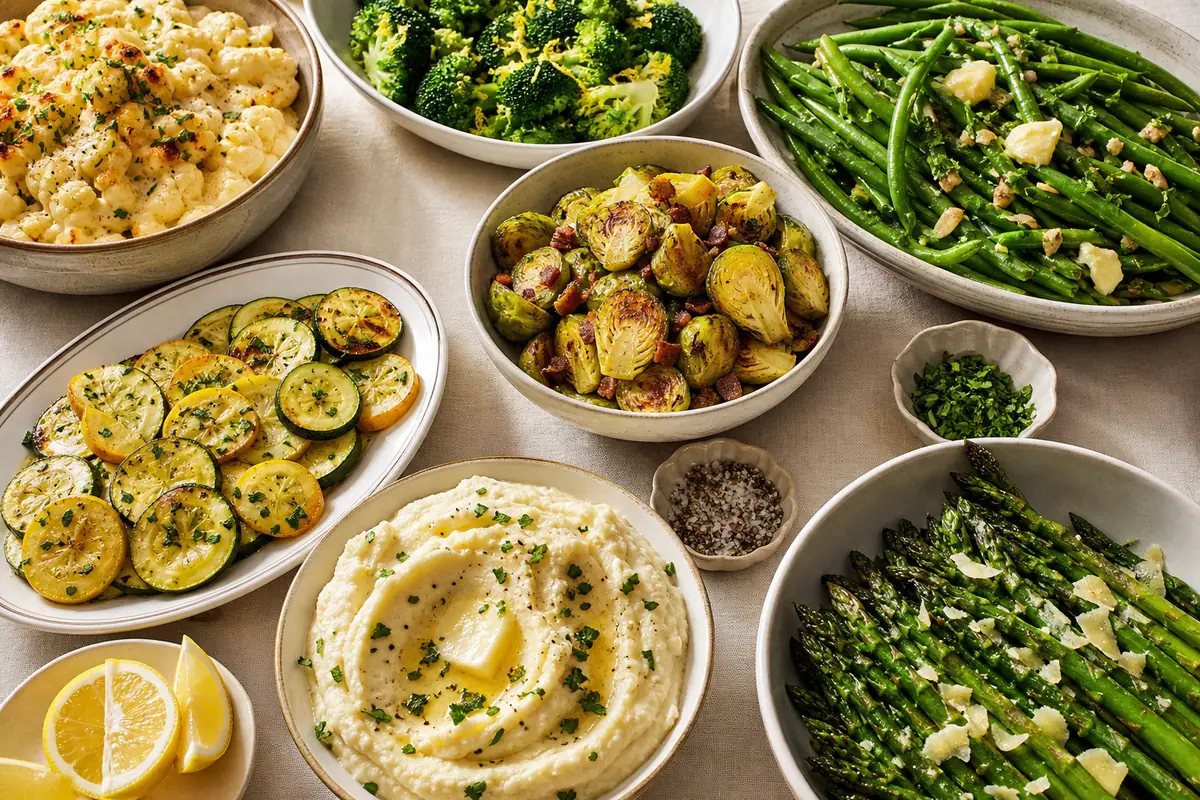
Grilled asparagus is one of those sides that requires almost no effort but looks polished on the plate. The slight char from the grill adds a smoky bitterness that cuts right through the richness of both steak and shrimp.
Asparagus has a naturally delicate, slightly sweet flavor that works with beef and seafood without competing with either. That's a harder balance to strike than it sounds.
The texture is the real payoff. Cooked correctly, the spears stay firm with a little snap at the stalk and go tender toward the tip.
The key is keeping them on the grill for just 4 to 5 minutes over high heat, turning once.
A squeeze of fresh lemon juice and a shower of grated Parmesan right off the grill is all the dressing this needs. For something more indulgent, wrap individual spears in prosciutto before grilling.
Balsamic glaze or a drizzle of truffle oil works well if you want to dress things up. Either way, do not overcook the asparagus.
Limp, grey spears will let down an otherwise excellent plate.
Pull asparagus off the heat while the tips still have a little firmness. Residual heat continues cooking them on the plate, and overcooked asparagus turns stringy and bitter.
2. Roast Potatoes with Rosemary
Steak needs a starch. Roasted potatoes with rosemary are the most reliable answer, and they pair just as well with shrimp as they do with beef.
The herb-forward flavor stays savory without getting in the way of either protein.
Dice your potatoes into roughly 1-inch cubes, toss with olive oil and fresh chopped rosemary, then spread them on a baking sheet without crowding. Roast at 400°F for 25 minutes, flipping once halfway through.
If you want more ideas along the same lines, our garlic butter roasted baby potatoes recipe is worth a look for smaller gatherings.
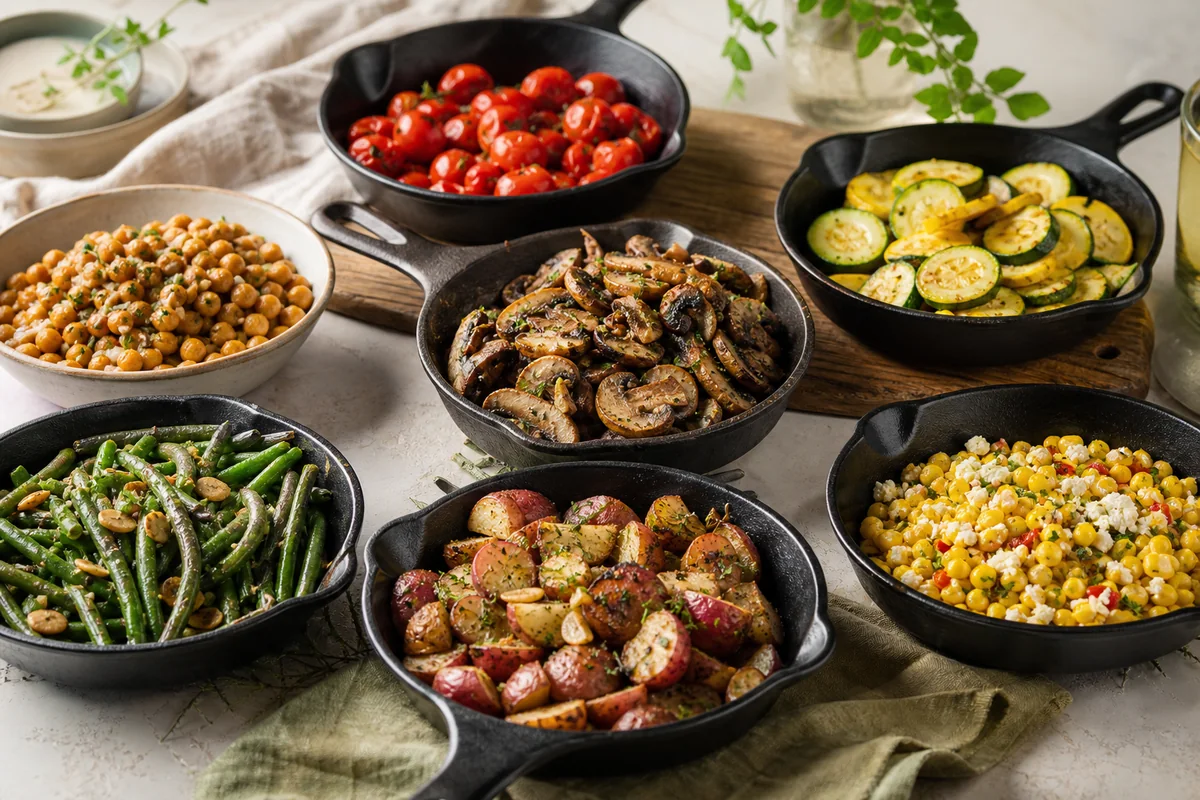
A cast iron skillet makes a noticeable difference here. The direct contact with the hot iron produces a crispier bottom crust than a standard baking sheet.
Season generously with salt right when they come out of the oven, while the surface is still hot enough for it to stick. For a more substantial side, try our garlic Parmesan smashed potatoes when you want something with a bit more texture and richness.
3. Corn Salad with Avocado and Lime
This salad earns its place next to steak and shrimp because it does something most sides cannot: it refreshes the palate between bites of rich protein. The lime juice is the key player, and it needs to be fresh-squeezed to do the job properly.
Charring the corn first makes a big difference. Run fresh ears directly over a gas flame or in a dry cast iron pan until the kernels pick up some dark spots, then cut them off the cob.
That smoky sweetness is what makes this salad work next to a charred steak.
Keep the avocado in larger chunks rather than mashing it, so it holds its texture after tossing. For a casual summer dinner, the salad is complete as-is.
Add a small handful of chopped fresh cilantro and a pinch of diced jalapeño when you want a little more heat and color on the plate.
4. Tomato and Mozzarella Salad
A tomato and mozzarella salad is light enough to sit beside two proteins without overwhelming the plate. It also comes together in about 10 minutes, which matters when you are already managing a hot pan and a grill.
The tomatoes need to be ripe but firm. Overripe tomatoes collapse when sliced and water down the whole dish.
Buy fresh mozzarella packed in water, not the low-moisture block, and slice it thin so it softens quickly at the table without needing heat.
Using a mix of red, yellow, and heirloom tomatoes adds visual contrast that makes the plate look like you put real effort in. Tuck in fresh basil leaves between the layers.
A light drizzle of good olive oil and a pinch of flaky salt is all the dressing this salad needs. If you enjoy the combination of bold cheese with fresh greens, our piece on cheese with Caesar salad covers that pairing in detail.
5. Quinoa Pilaf with Almonds and Dried Cranberries
Quinoa pilaf brings something different to the table: a complete protein that also absorbs pan juices beautifully. The almonds add crunch and the cranberries bring a tart-sweet pop that works well against salty shrimp.
Cook the quinoa in chicken stock instead of plain water for a deeper base flavor. Once cooked and slightly cooled, fold in toasted slivered almonds, dried cranberries, and sliced green onions.
Taste and adjust salt before serving.
This dish holds well at room temperature, which makes it useful for dinner parties where timing is unpredictable. A spoonful of plain yogurt or some crumbled feta on top adds a creamy note that rounds out the texture.
Chopped fresh parsley or cilantro stirred in at the end keeps the dish from feeling heavy. Similar grain-forward thinking applies to creamy garlic shrimp and rice, which works on the same principle of pairing shrimp with an absorbent starch.
6. Roasted Brussels Sprouts with Pancetta
Brussels sprouts roasted with pancetta are savory, slightly bitter, and crispy at the edges. That combination stands up to steak without getting lost on the plate.
The technique matters here. Halve the sprouts and place them cut-side down on a hot sheet pan without crowding them.
Roast at 425°F for 20 to 22 minutes. Crowding the pan steams the sprouts instead of roasting them, and you lose that caramelized crust that makes the dish worth eating.
Render the pancetta in a dry skillet first, then toss it with the finished sprouts along with its fat. That rendered fat coats every sprout with a salty, meaty richness that the shrimp especially appreciates as a counterpoint.
A crumble of goat cheese or a scatter of Parmesan on top right before serving adds another layer. Toasted pine nuts also work if you want extra crunch.
7. Green Beans with Toasted Hazelnuts
Green beans are a dependable side that tends to get ignored once they land on the table. Adding toasted hazelnuts changes that entirely.
The nuts bring a warm, buttery richness and a crunch that makes the whole dish more interesting.
Here are the steps that make the difference:
- Blanch for 2 to 3 minutes: Drop the beans into heavily salted boiling water, then transfer immediately to an ice bath. This locks in the bright green color and keeps the beans snappy.
- Ice bath is non-negotiable: Skipping it means the beans keep cooking from residual heat and go dull and soft. Thirty seconds in the ice water is enough.
- Toast hazelnuts in a dry skillet: Medium heat, stirring frequently, for about 4 minutes until golden and fragrant. Watch them closely after the 3-minute mark as they burn fast.
- Simple vinaigrette works best: Olive oil, fresh lemon juice, a pinch of salt, and cracked black pepper. Toss everything together just before serving so the beans stay crisp.
8. Spaghetti Squash with Pesto
Spaghetti squash with pesto is the right call when you want a starch-like side that does not add a heavy carb load to an already rich plate.
A medium spaghetti squash has about 42 calories per cup after cooking, compared to roughly 220 calories for the same amount of pasta.
Pierce the squash several times with a fork and microwave with ¼ cup of water for 4 to 6 minutes per pound. Once cool enough to handle, scrape out the strands with a fork and toss immediately with room-temperature pesto so the strands stay loose and coated rather than clumping together.
Lemon garlic shrimp pairs especially well with this side, and you can find the full pairing breakdown in our guide to sides that work with lemon garlic shrimp.
Store-bought pesto is a perfectly acceptable shortcut on a weeknight. If you have 10 extra minutes, a quick blender pesto with fresh basil, garlic, toasted pine nuts, Parmesan, and olive oil is noticeably brighter.
Diced cherry tomatoes or sautéed mushrooms scattered on top round out the dish without adding much work.
Roast the spaghetti squash halved and cut-side down at 400°F for 40 minutes if you have the time. The oven method produces drier, more noodle-like strands than the microwave.
9. Sweet Potato Wedges with Maple-thyme Dipping Sauce
Sweet potato wedges bring natural sweetness and a soft interior with slightly crispy edges. They hold their own next to steak, which says something, and the maple-thyme dipping sauce ties the whole plate together with a savory-sweet bridge between the proteins and the side.
Cut the sweet potatoes into wedges of even thickness, about ¾ inch wide at the thick end, so they cook at the same rate. Roast at 425°F for 25 minutes, flipping once at the halfway point.
For the dipping sauce, whisk together maple syrup, a little Dijon mustard, fresh thyme, and a pinch of salt. It takes under 3 minutes to make.
- Swap in different herbs: Rosemary or oregano in the dipping sauce both work well in place of thyme.
- Add crumbled bacon: Scatter it over the finished wedges for an extra layer of salty, smoky flavor.
- Add heat: A pinch of cayenne in the spice rub before roasting gives the sweet potato a low-grade heat that plays nicely against the maple sauce.
10. Broccoli Rabe with Garlic and Chili Flakes
Broccoli rabe has a pleasant bitterness that balances the sweetness of shrimp in a way that milder vegetables cannot. The garlic and chili flakes sharpen that contrast further, making this side feel intentional rather than obligatory.
Start by blanching the broccoli rabe in salted boiling water for 60 to 90 seconds to take the edge off the bitterness. Drain it, then sauté sliced garlic in olive oil over medium heat until golden, about 2 minutes.
Add the blanched rabe and toss for another 2 minutes.
A generous pinch of red pepper flakes goes in with the garlic. Use more if you want real heat, less if the table has mixed tolerance for spice.
This pairs well with creamy or butter-based sauces on the shrimp side of the plate. If you are building the shrimp component around garlic and a light sauce, our lemon garlic shrimp orzo shows how that flavor profile scales up.
Serve the broccoli rabe as-is or spooned over a small amount of rice if you need a heartier plate.
10 Sides That Enhance Steak and Shrimp Meals
Steak and shrimp is a pairing that rewards good side dish choices. The proteins are already doing the heavy lifting in terms of flavor, so the sides just need to add texture, brightness, or a little contrast.
The 10 options above cover every direction you might want to take the meal. Grilled asparagus and broccoli rabe keep things light and vegetable-forward.
Roasted potatoes and quinoa pilaf give you substance. The salads reset the palate between bites.
For a Caesar-style salad option that pairs naturally with shrimp, our guide to sides for shrimp Caesar salad is a useful next read.
If you are wondering what works alongside similar cream-based dishes, our roundup of what sides go with creamed dishes covers the same balancing act from a different angle.
For building full salad-based plates from the ground up, our guide to salads that complement rich proteins has transferable ideas worth scanning.

Carrie is a food writer and editor with more than 15 years of experience. She has worked for some of the biggest names in the food industry, including Bon Appétit, Food & Wine, and Martha Stewart Living.
As the Editor in Chief of EpicureDelight, Carrie oversees all of the content on the site. She also manages the team of contributing writers and editors, who help to create delicious recipes, helpful tips, and informative articles that you’ll find on the site.
A native of the Chicago area, Carrie is passionate about all things food. She loves trying new restaurants and experimenting with new recipes in her kitchen. She’s also a graduate of the Culinary Institute of America, so she knows a thing or two about food!