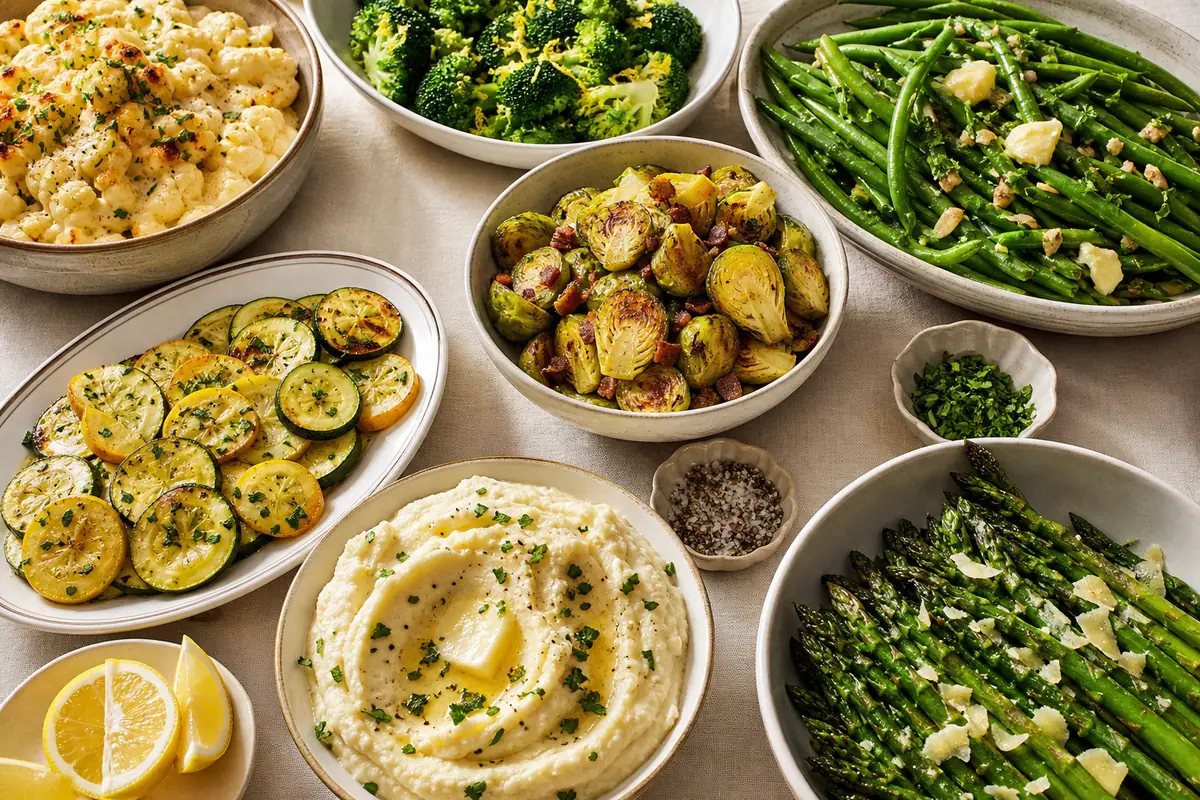
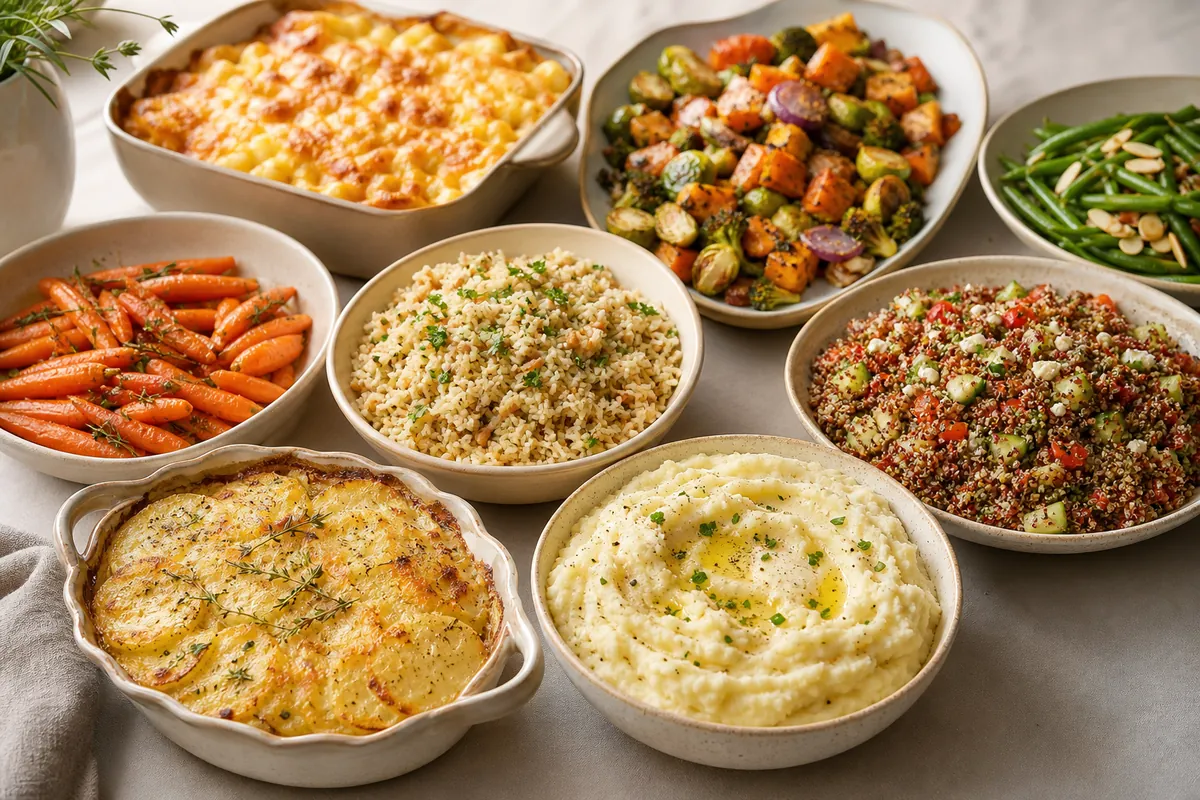
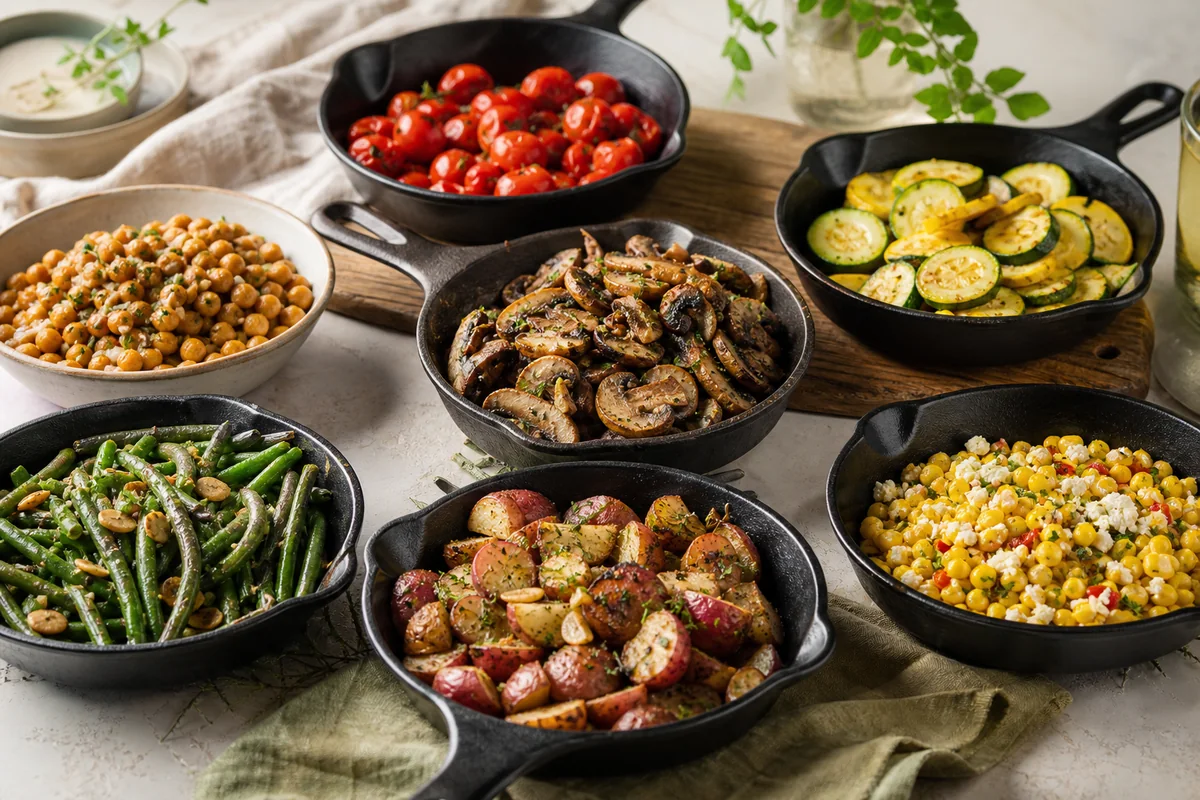
Lemon broccolini is the best side for tortellini because its firm stems, browned tips, and fresh acid balance soft filled pasta without adding another heavy sauce. A bitter salad, white beans, roasted peppers, or garlic bread can also work when matched to the filling and sauce.
Start with the tortellini itself. Cheese, meat, and spinach fillings need different support, while broth and cream sauce change whether the meal needs bread, vegetables, or no extra starch.

Pair tortellini with lemon broccolini for the best all-around contrast. Use salad with cream sauce, white beans with cheese filling, and garlic bread only when broth or light tomato sauce needs it.
What Kind of Tortellini and Sauce Are You Serving?
| Tortellini style | What the meal needs | Best direction |
|---|---|---|
| Cheese with tomato sauce | Green bitterness | Broccolini or arugula salad |
| Cheese with cream sauce | Acid and crunch | Radicchio or fennel salad |
| Meat filling | Fresh vegetables | Green beans or roasted peppers |
| Spinach filling | Protein or sweetness | White beans or glazed carrots |
| Tortellini in broth | A dry dipping side | Crostini or garlic bread |
Count the sauce as part of the plate. Alfredo, pesto, and meat sauce are coatings rather than side dishes, so adding another sauce in a bowl does not create balance.
Cheese-filled pasta already supplies dairy and a soft center. Crisp vegetables or a vinegar-dressed salad provide more useful contrast than chicken Parmesan, meatballs, or a second filled pasta.
Broth is the exception because it leaves the bowl light and wet. A small toasted bread side gives the diner something dry to dip without turning dinner into two starch-heavy courses.
What Are the Best Sides for Tortellini?
Choose one fresh side for most weeknight meals. Add a bean or seafood side only when tortellini is the sole main and the filling contains little protein.
1. Lemon Broccolini
Broccolini keeps a firm stem and develops crisp tips under high heat. Lemon cuts through cheese and butter, making this the strongest choice across tomato, pesto, and cream sauces.
Roast or sear it in 15 minutes and season lightly. Strong garlic can cover a delicate ricotta filling.
2. Arugula Fennel Salad
Peppery arugula and crisp raw fennel bring a cold, bitter break from warm pasta.
Lemon vinaigrette works especially well with cheese tortellini in cream sauce.
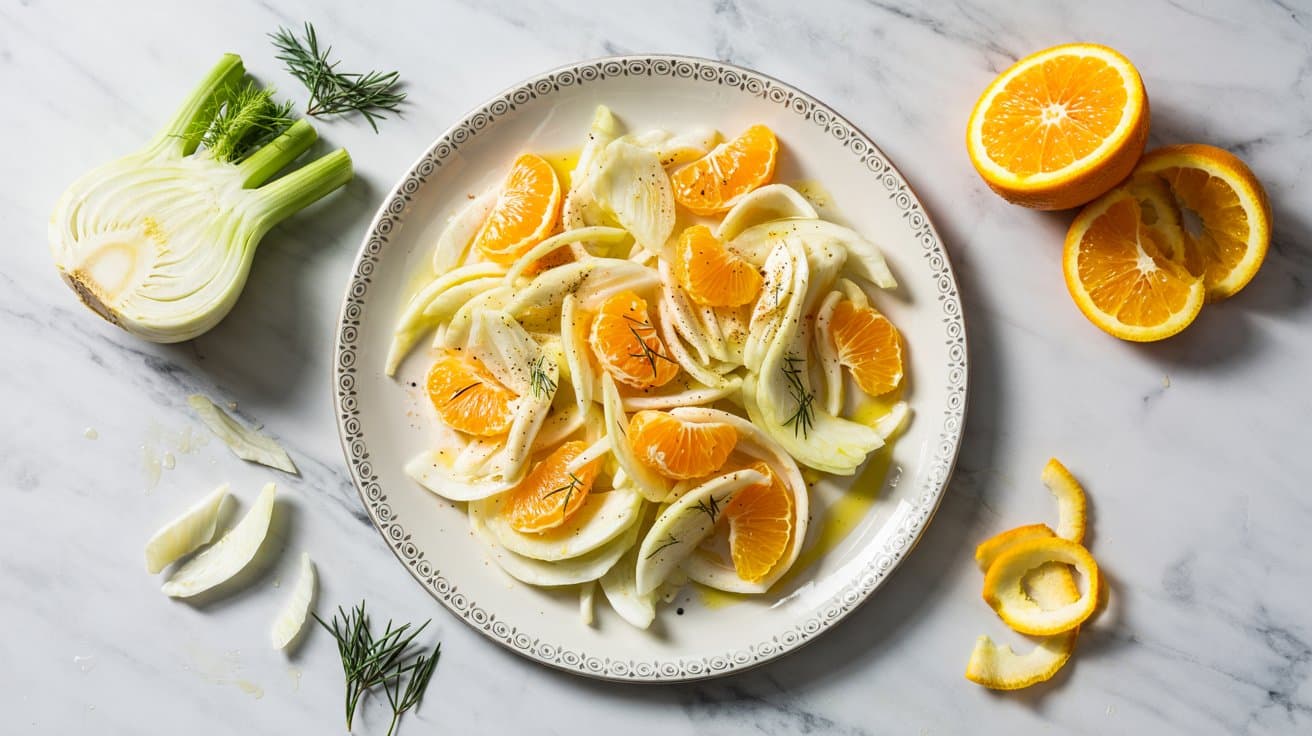
Dress the leaves only after the pasta water boils.
The salad should stay lofty rather than collapsing beside the bowl.
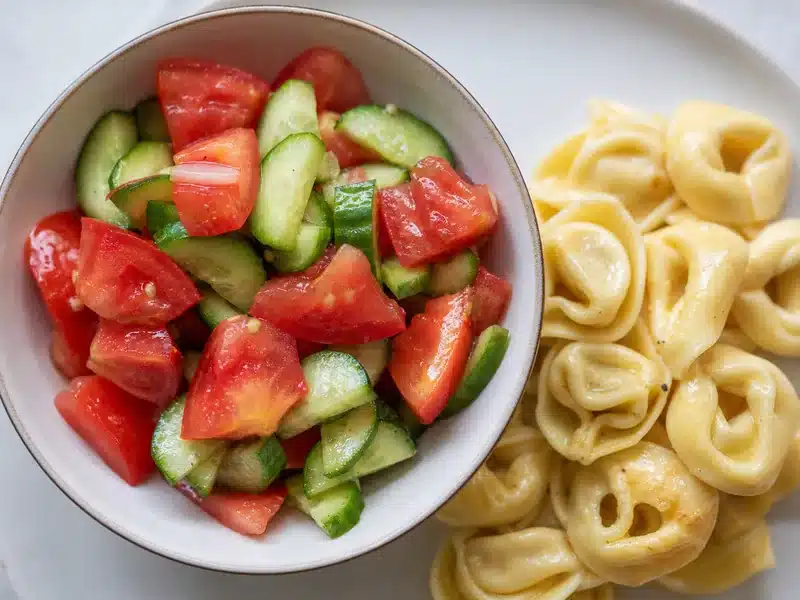
3. Tomato Cucumber Salad
Juicy tomato and cool cucumber suit pesto or brown-butter tortellini. Red onion and vinegar give the salad enough force without another cooked sauce.
4. Garlic Green Beans
Green beans offer a clean snap and mild flavor that fits meat tortellini.
Finish them with lemon and only a small amount of butter so they remain a contrast. Blanch the beans before the pasta water reaches a boil, then finish them in a hot pan.
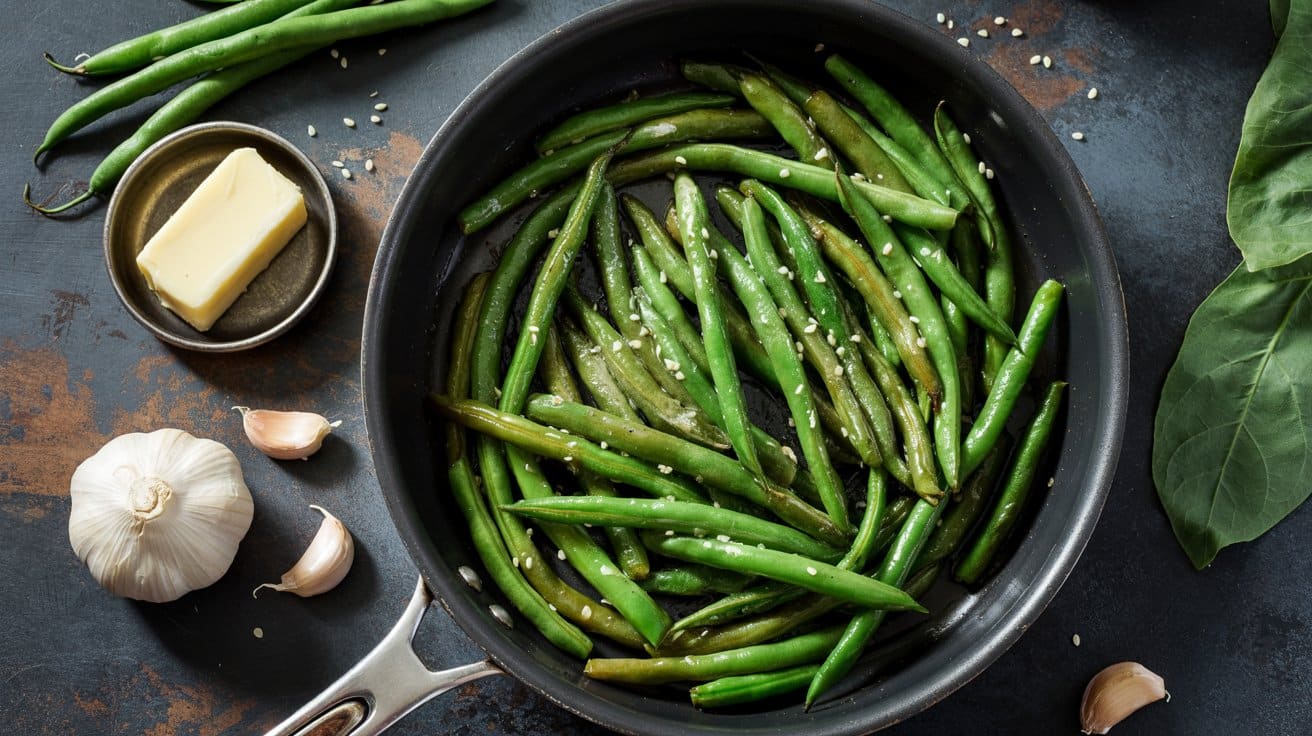
This method keeps the beans bright and frees the pot for tortellini.
5. White Bean Herb Salad
White beans add protein to cheese or spinach tortellini without another meat sauce. Parsley, celery, and red wine vinegar keep the creamy beans lively.
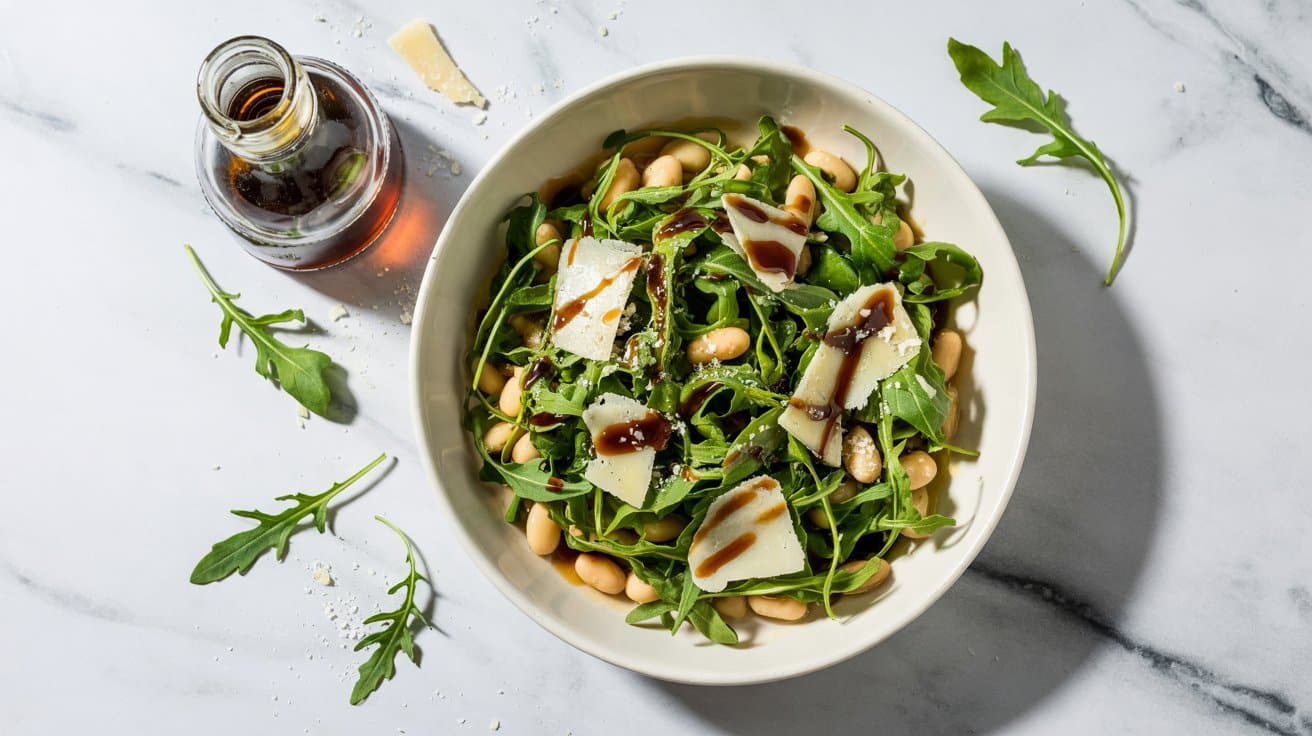
Serve half a cup per person at room temperature. This side can be made several hours ahead.
6. Roasted Red Peppers
Roasted peppers bring sweetness, color, and silky strips that work with meat-filled pasta. Capers or vinegar stop them from repeating a sweet tomato sauce.
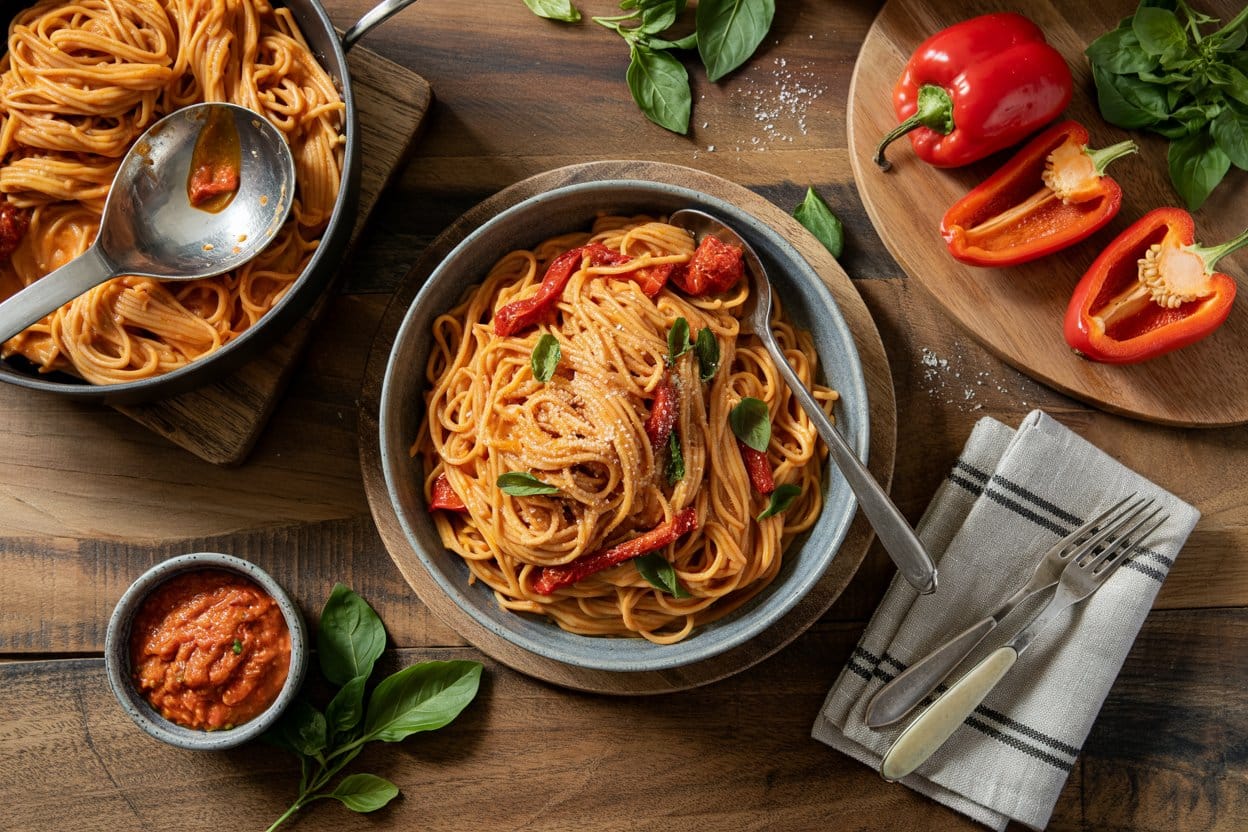
Serve the peppers at room temperature when the pasta sauce is hot and rich. Their soft texture works best with a few toasted walnuts or crisp breadcrumbs.
7. Balsamic Radicchio
Radicchio has the bitterness a rich cheese sauce needs. A quick sear softens the leaves while preserving enough structure for a warm side.
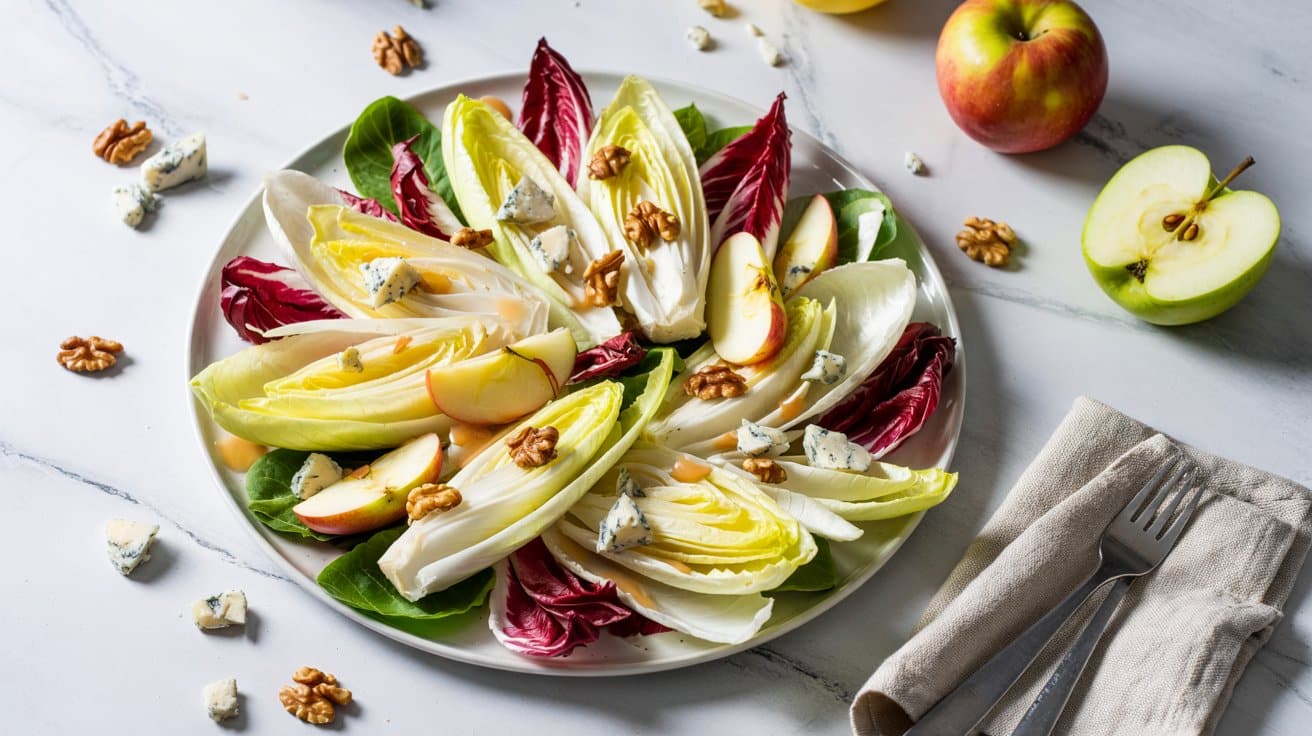
Cut the head into wedges so it does not fall through the pan. Add balsamic after cooking to protect its bright flavor and prevent burning.
8. Garlic Crostini
Crostini belongs beside tortellini in broth or a thin tomato sauce.
Keep the piece small because the pasta wrapper already supplies the meal's main starch. Toast it before cooking the pasta and leave it uncovered.
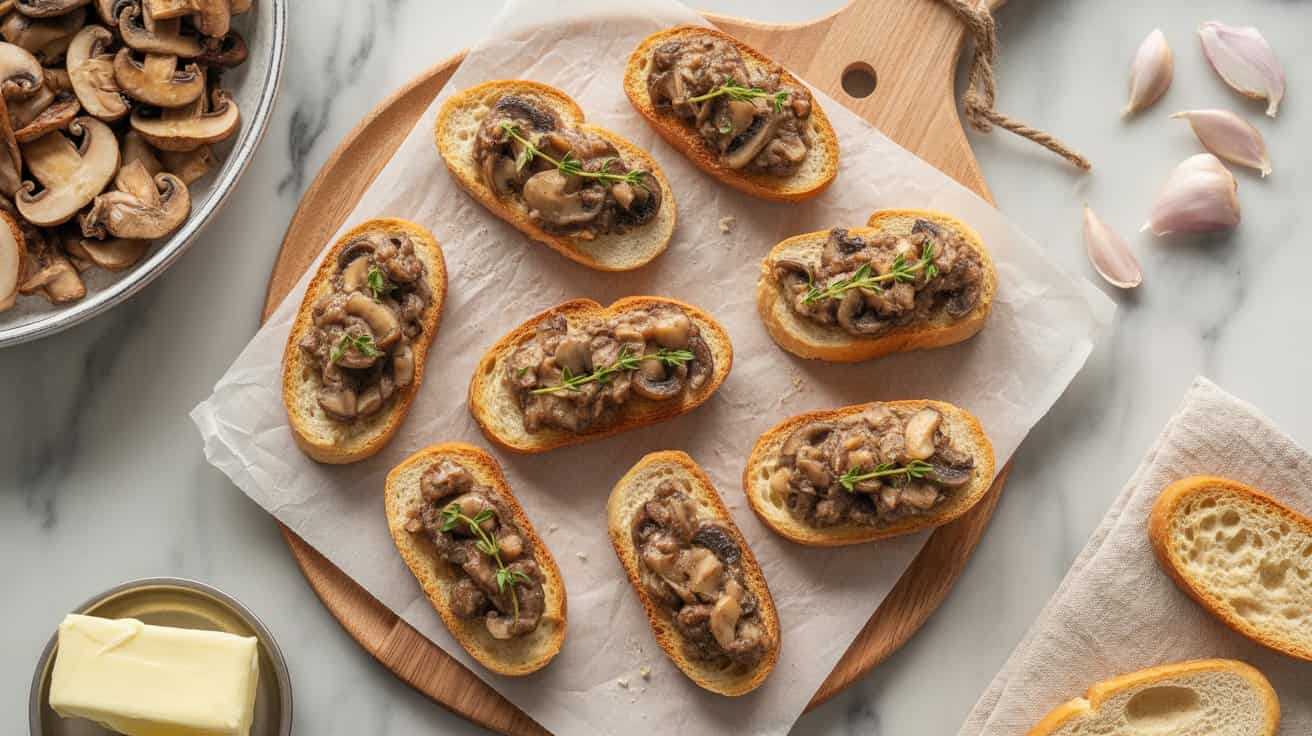
Covered bread softens while the tortellini drains.
9. Roasted Zucchini
Zucchini adds browned surfaces and a mild green center.
Thick pieces hold better than thin rounds and suit marinara without competing for attention. Spread the pieces across a wide pan so moisture can escape.

Crowded zucchini steams and creates another soft element beside the filled pasta.
10. Citrus Olive Salad
Orange segments, olives, and parsley create a sweet-salty salad for spinach or ricotta tortellini.
Use olives sparingly when Parmesan already adds salt.
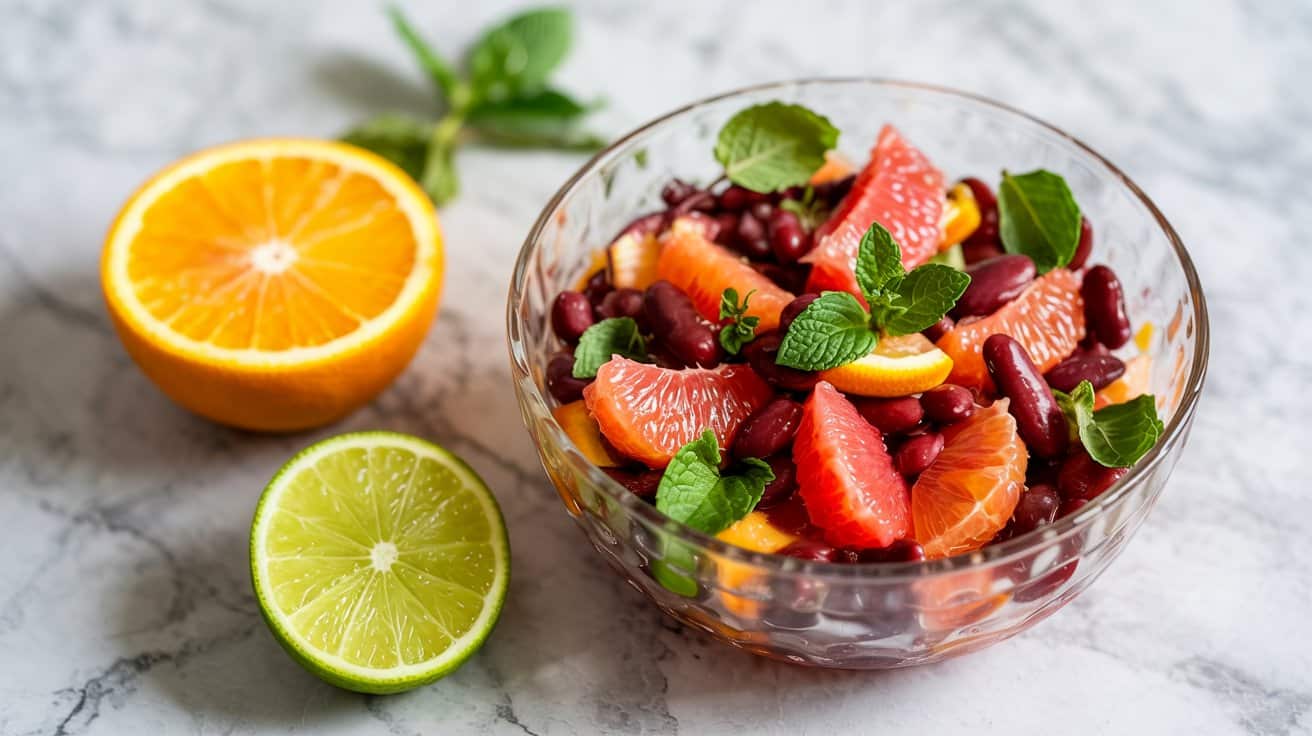
Prepare the orange over a bowl to catch its juice.
A little juice and olive oil is enough dressing for this small, sharp side.
11. Peas With Mint
Peas cook in minutes and echo spring fillings without adding weight.
Mint and lemon prevent their sweetness from becoming flat beside butter sauce. Frozen peas are useful for a quick dinner because they need no trimming.

Warm them only until bright green, then add mint away from direct heat.
12. Roasted Cauliflower
Cauliflower develops nutty brown edges that suit meat or mushroom tortellini. Finish it with vinegar rather than cheese crumbs when the filling is already rich.
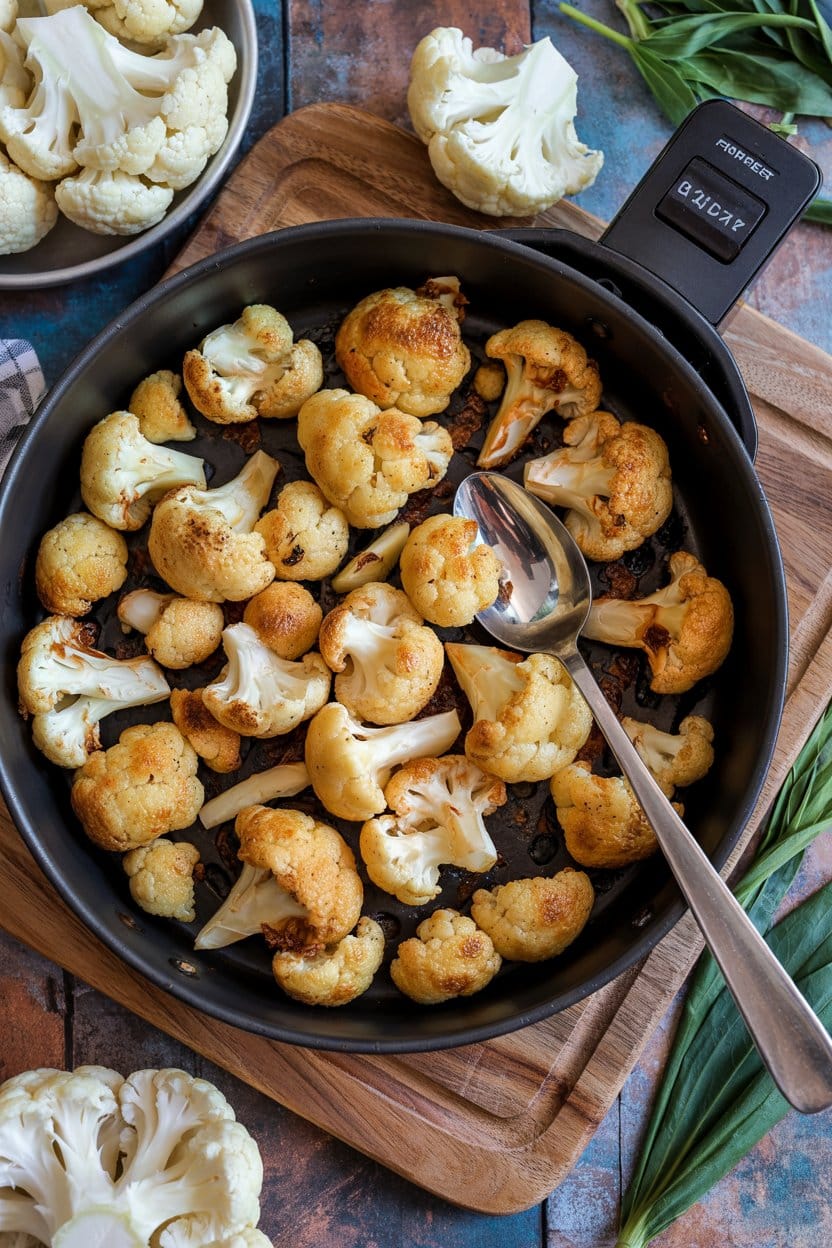
Use small florets so they roast in the time needed to boil water and cook the pasta.
Leave space on the tray for dry, browned edges.
13. Herbed Shrimp
Shrimp turns cheese tortellini into a fuller dinner while keeping the protein portion light. Lemon, parsley, and a quick pan sear are enough.
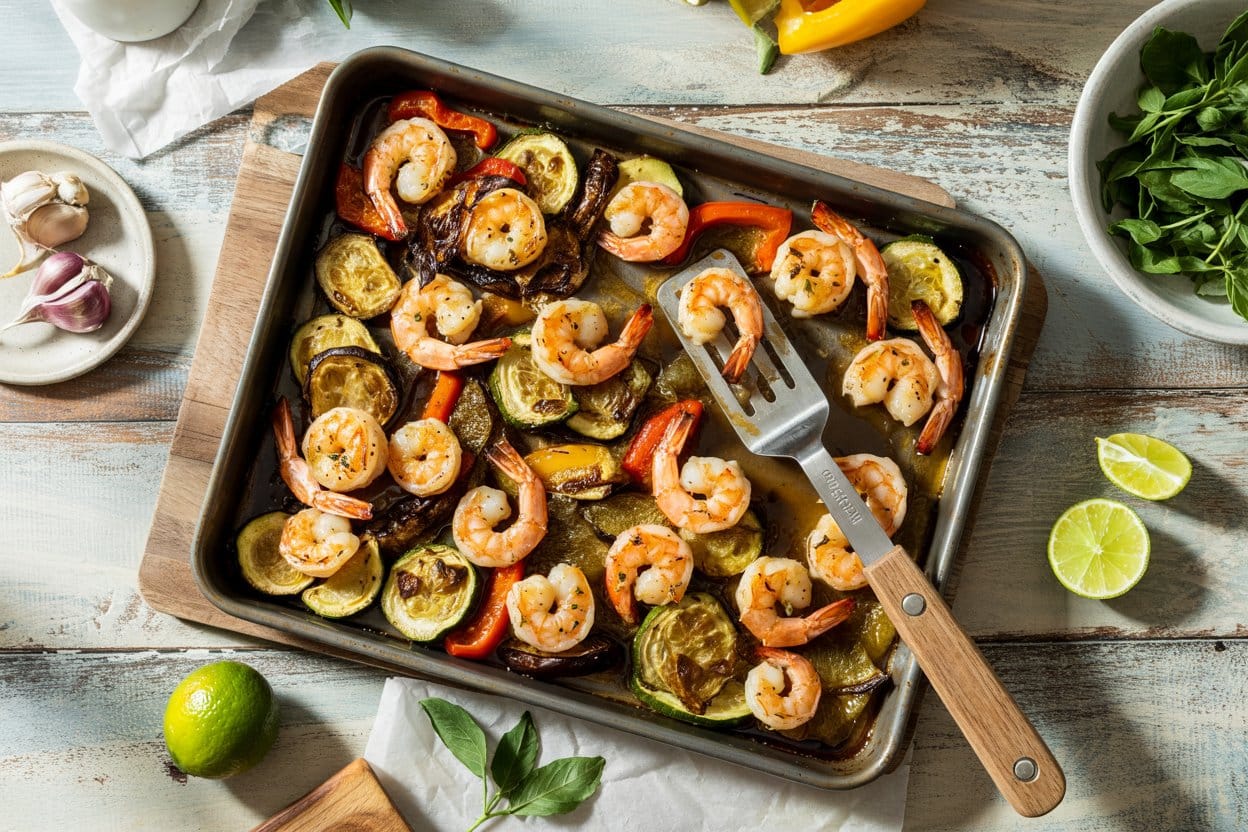
Cook the shrimp first and hold it briefly on a warm plate. It becomes rubbery if left in simmering pasta sauce.
14. Glazed Carrots
Carrots add color and gentle sweetness to spinach or meat tortellini. Use thyme and a splash of vinegar instead of a sugary glaze.

Cut the carrots into slim pieces so they finish before the pasta. A small amount of cooking water helps them soften without a heavy coating of butter.
| Side | Best with | Main contrast | Prep |
|---|---|---|---|
| Lemon broccolini | Any filling | Firm and acidic | 15 min |
| Arugula fennel salad | Cream sauce | Cold and bitter | 12 min |
| White bean salad | Cheese filling | Extra protein | 15 min |
| Garlic crostini | Broth | Dry crunch | 10 min |
Portion size changes how substantial the side should be. A four-ounce first course needs only salad or broccolini, while a ten-ounce main can support beans, shrimp, or two vegetables.
Temperature also helps. Cold salad beside hot pasta feels more distinct than two warm, soft dishes, especially when the tortellini carries cream sauce.
For a party, avoid serving several bowls of separate pasta sauces. One finished tortellini dish plus vegetables and bread is easier to hold and keeps guests from mixing sauces that do not suit the filling.
When tortellini contains meat, read the package seasoning before salting vegetables. Cured pork, Parmesan, and concentrated broth can provide enough salt for the whole plate.
Frozen tortellini releases more starch and may need a little extra sauce. Keep the side dry and crisp so the plate does not become wet from pasta, sauce, and vegetables together.
Fresh tortellini is delicate and often cooks in three to five minutes. Pair it with vegetables that are already finished rather than a side that needs last-minute oven space.
Brown butter and sage tortellini benefits from lemon, radicchio, or raw fennel because the sauce has little water. Tomato sauce pairs better with green vegetables that can stand up to acidity.
For children, offer peas, carrots, or cucumber separately and keep bitter salad for adults. The same mild vegetables can be seasoned with lemon at the table.
Serve smaller side portions when tortellini is the first course. For a main-course bowl, plan one cooked vegetable and one fresh contrast rather than several starches.
How Do You Time a Tortellini Dinner?
Tortellini cooks faster than most sides and loses its best texture when held. Finish every slow task before the filled pasta enters the water.
- Prepare cold sides. Cut and chill salad ingredients up to two hours ahead.
- Roast vegetables first. Finish carrots, cauliflower, or peppers and hold them loosely covered.
- Start the sauce. Keep it warm over low heat without reducing it too far.
- Boil tortellini last. Cook until tender, then move it directly into the sauce.
- Finish quick greens. Sear broccolini or beans while the pasta water comes to a boil.
Reserve a cup of pasta water before draining. A small splash loosens thick sauce and helps it coat the ridged pasta without adding more cream or oil.
Warm the serving bowl with hot water, then dry it. Filled pasta cools quickly because each piece carries a relatively small amount of sauce.
Save These Tortellini Side Ideas
Keep the ranking for a quick pasta dinner or party menu.
A generous bowl with sauce can be a main dish. Smaller portions in broth or salad can serve as a first course.
Lemon broccolini is the best overall choice. Green beans, radicchio, zucchini, and cauliflower also work.
Yes, especially with broth or light tomato sauce. Skip it when the pasta has a heavy cream sauce and the meal already includes another starch.
Herbed shrimp, white beans, grilled chicken, or a small portion of sausage works. Keep the seasoning lighter than the pasta sauce.
Plan 8 to 10 ounces cooked tortellini for a main dish or 4 to 5 ounces for a first course with several sides.

Carrie is a food writer and editor with more than 15 years of experience. She has worked for some of the biggest names in the food industry, including Bon Appétit, Food & Wine, and Martha Stewart Living.
As the Editor in Chief of EpicureDelight, Carrie oversees all of the content on the site. She also manages the team of contributing writers and editors, who help to create delicious recipes, helpful tips, and informative articles that you’ll find on the site.
A native of the Chicago area, Carrie is passionate about all things food. She loves trying new restaurants and experimenting with new recipes in her kitchen. She’s also a graduate of the Culinary Institute of America, so she knows a thing or two about food!