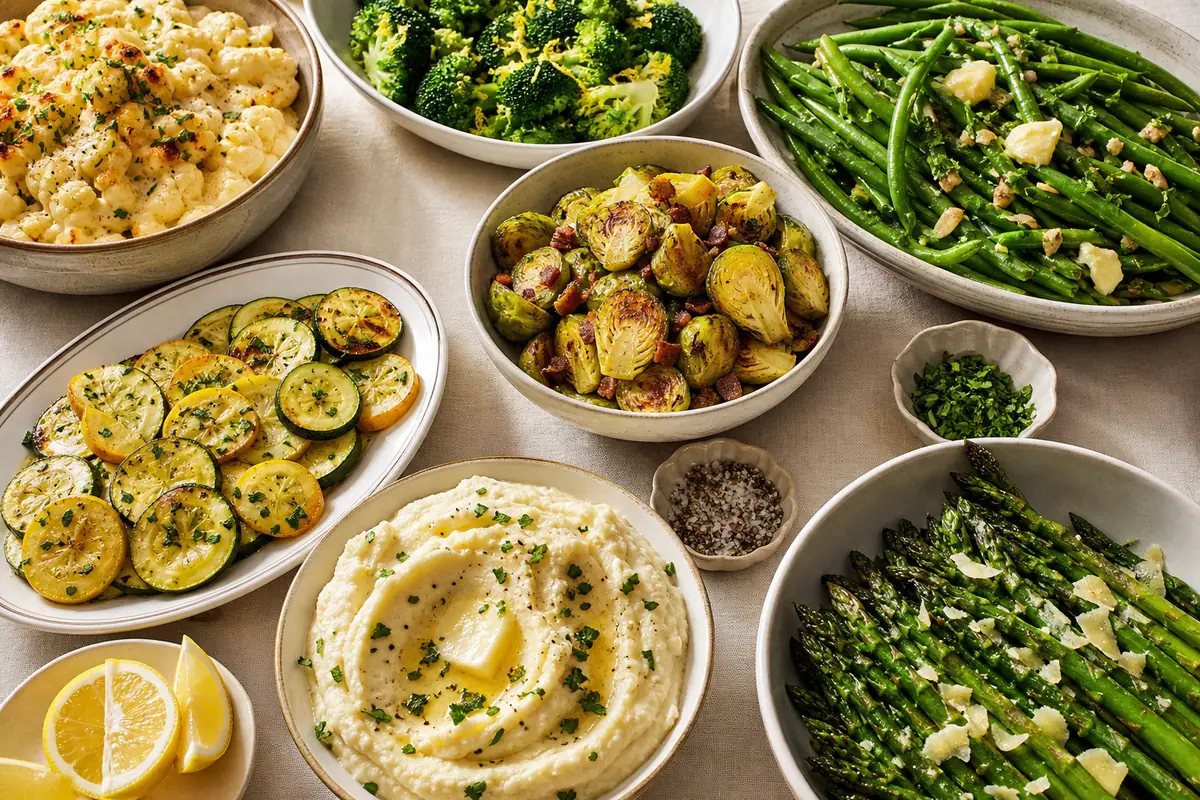
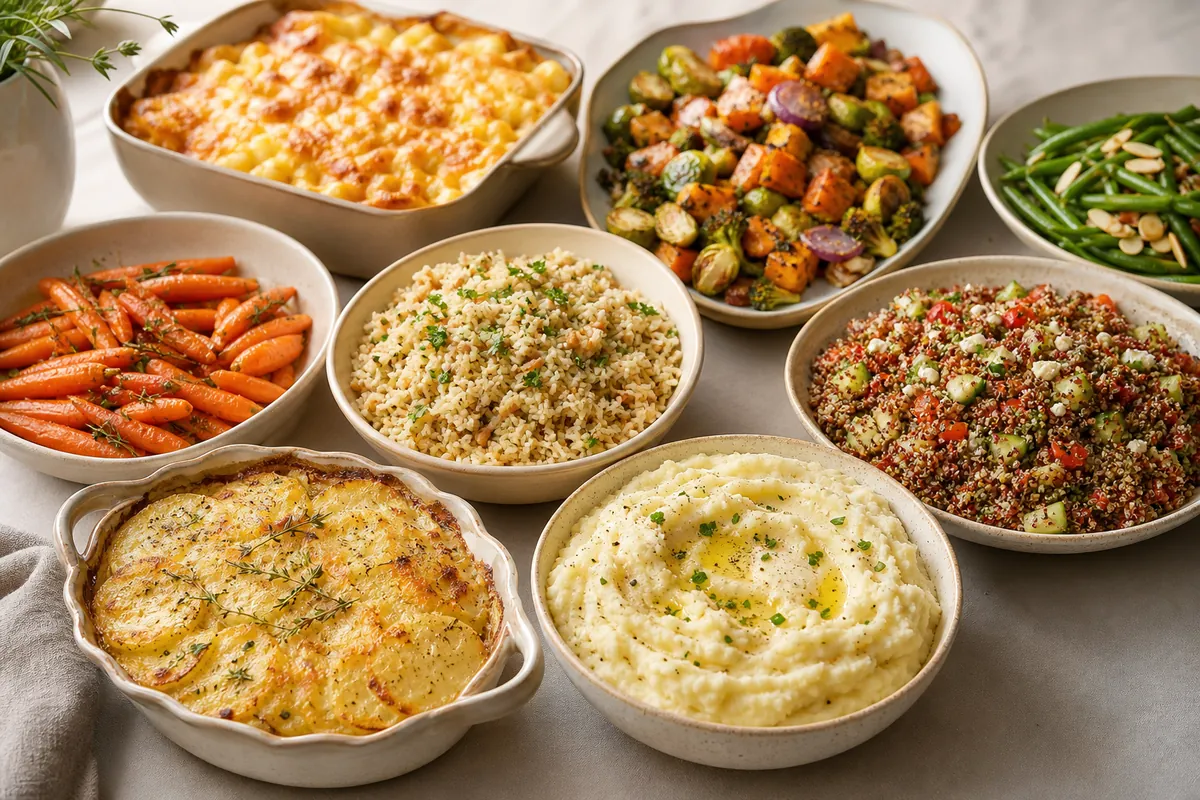
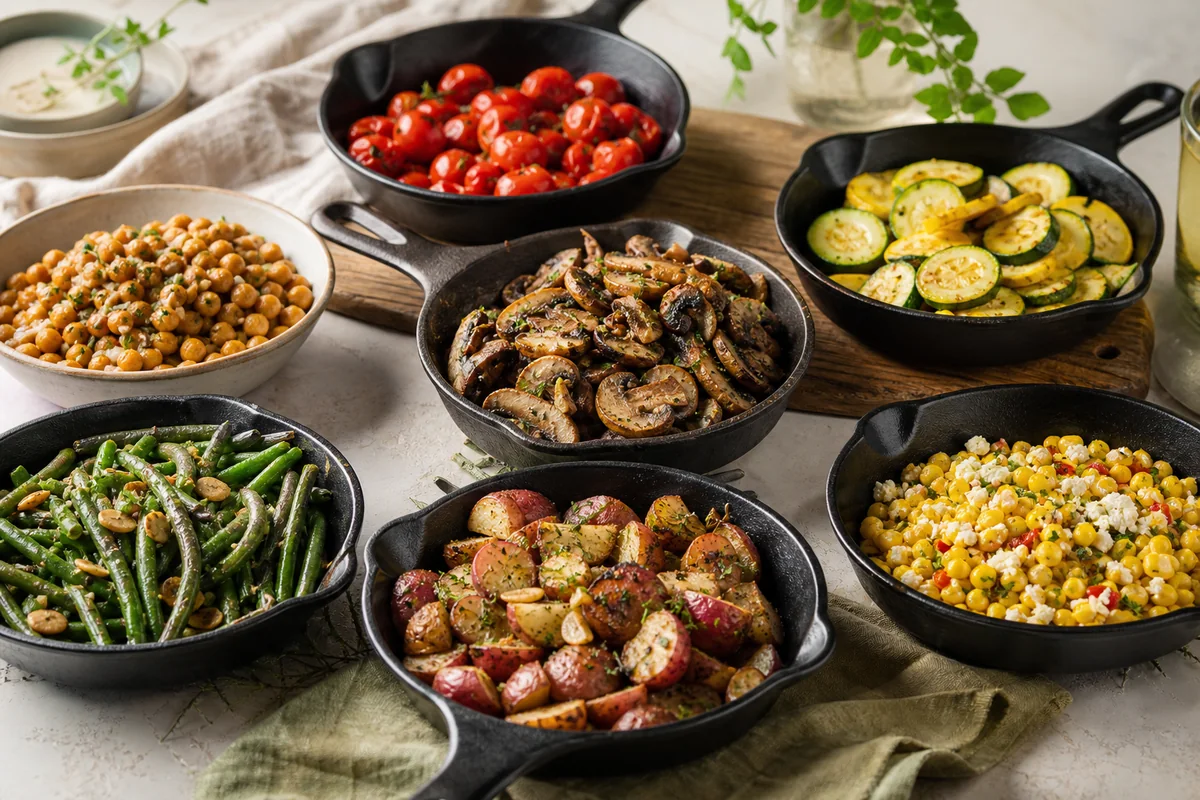
Serve chicken piccata with angel hair pasta, creamy polenta, mashed potatoes, green beans, asparagus, or lemon-free arugula salad according to the sauce weight. Choose one mild base to catch the lemon-caper pan sauce and one green or fresh side to lighten the butter.
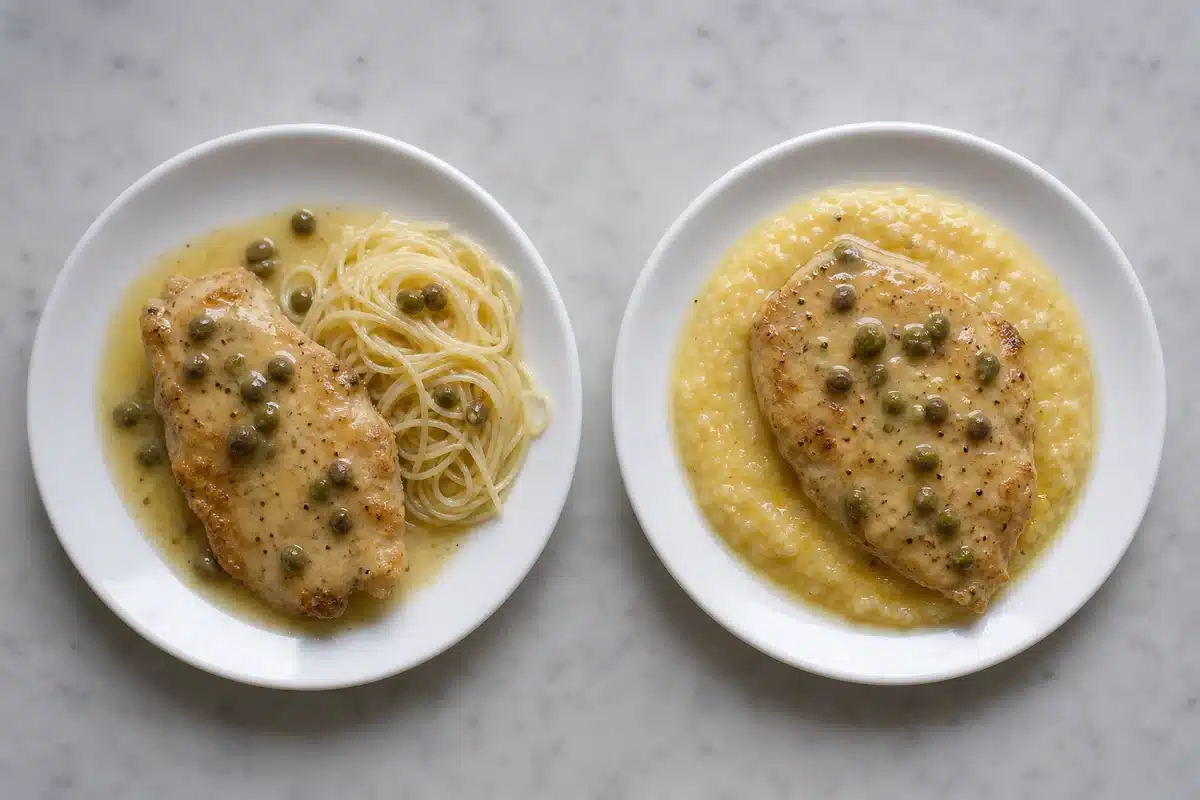
The amount of sauce matters more than tradition. A thin wine and lemon sauce needs fine pasta or rice, while a fuller butter sauce sits better on polenta or mashed potatoes.

Angel hair pasta is the best side for chicken piccata with a thin pan sauce. Use polenta for a thicker buttery sauce, then add green beans or a mildly dressed salad so lemon and capers remain clear.
Match the Base to the Amount of Pan Sauce
Chicken piccata moves quickly from skillet to plate. The cutlets are thin, and the sauce may be a loose mixture of wine, lemon, stock, and butter or a more stable emulsion with enough body to coat a spoon.
| Sauce state | What the base must do | Best direction |
|---|---|---|
| Thin and plentiful | Catch flowing liquid | Angel hair, rice, mashed potatoes |
| Glossy and emulsified | Support a coating | Polenta, roasted potatoes |
| Light spoonful only | Add moisture | Polenta, spinach, soft rice |
Capers and reduced stock can make the sauce salty before the sides are seasoned. Taste the finished sauce first, then add salt and acid to the vegetables.
Lemon on the chicken, pasta, salad, and asparagus can make every bite equally sharp.
The USDA sets 165°F as the safe minimum internal temperature for poultry. Check the thickest cutlet with a thermometer, then move it out of the pan so the meat does not toughen while the sauce reduces.
Five Bases Catch Lemon-Caper Sauce Without Fighting It
The first five choices focus on sauce performance. Pick only one base, since a piccata plate gains little from pasta, bread, and potatoes served together.
| Rank | Side | Why it fits | Best for | Prep |
|---|---|---|---|---|
| 1 | Angel hair pasta | Fine strands catch thin sauce | Thin sauce | Easy |
| 2 | Creamy polenta | Soft base supports glossy sauce | Butter-rich sauce | Medium |
| 3 | Mashed potatoes | Absorbs plentiful pan sauce | Extra pan sauce | Easy |
| 4 | Steamed rice | Neutral grains carry lemon and capers | Gluten-free plate | Easy |
| 5 | Small baguette slices | Catches sauce in a small portion | Light portion | Easy |
| 6 | Mustard green beans | Snappy beans cut butter richness | Best vegetable | Easy |
| 7 | Roasted asparagus | Firm spears add a clean bite | Spring dinner | Easy |
| 8 | Broccoli rabe | Bitter greens balance rich sauce | Rich sauce | Medium |
| 9 | Garlic spinach | Soft greens catch light sauce | Low-sauce cutlets | Easy |
| 10 | Buttered peas | Sweet peas soften sharp capers | Family meal | Easy |
| 11 | Browned zucchini | Browned edges offset tender chicken | Summer dinner | Easy |
| 12 | Arugula fennel salad | Peppery crunch lightens a full plate | Best fresh side | Easy |
| 13 | Cucumber herb salad | Cold herbs cool buttery sauce | Warm weather | Easy |
| 14 | White bean parsley salad | Beans add substance without starch | Small chicken portion | Easy |
| 15 | Roasted radicchio | Bitter centers balance butter sauce | Bitter contrast | Medium |
1. Angel Hair Pasta
Fine strands give a loose lemon-caper sauce plenty of surface without feeling bulky.
Angel hair cooks quickly enough to finish before the cutlets, which protects the short service window. Toss with a spoonful of sauce and pasta water, then plate the chicken on top or beside it.
Do not add cream or a heavy cheese coating.
2. Creamy Polenta
Soft polenta supports a glossy butter sauce and catches capers in each spoonful. Its mild corn flavor is useful when the piccata sauce is sharp or the cutlets carry a dark sear and need a calm base.
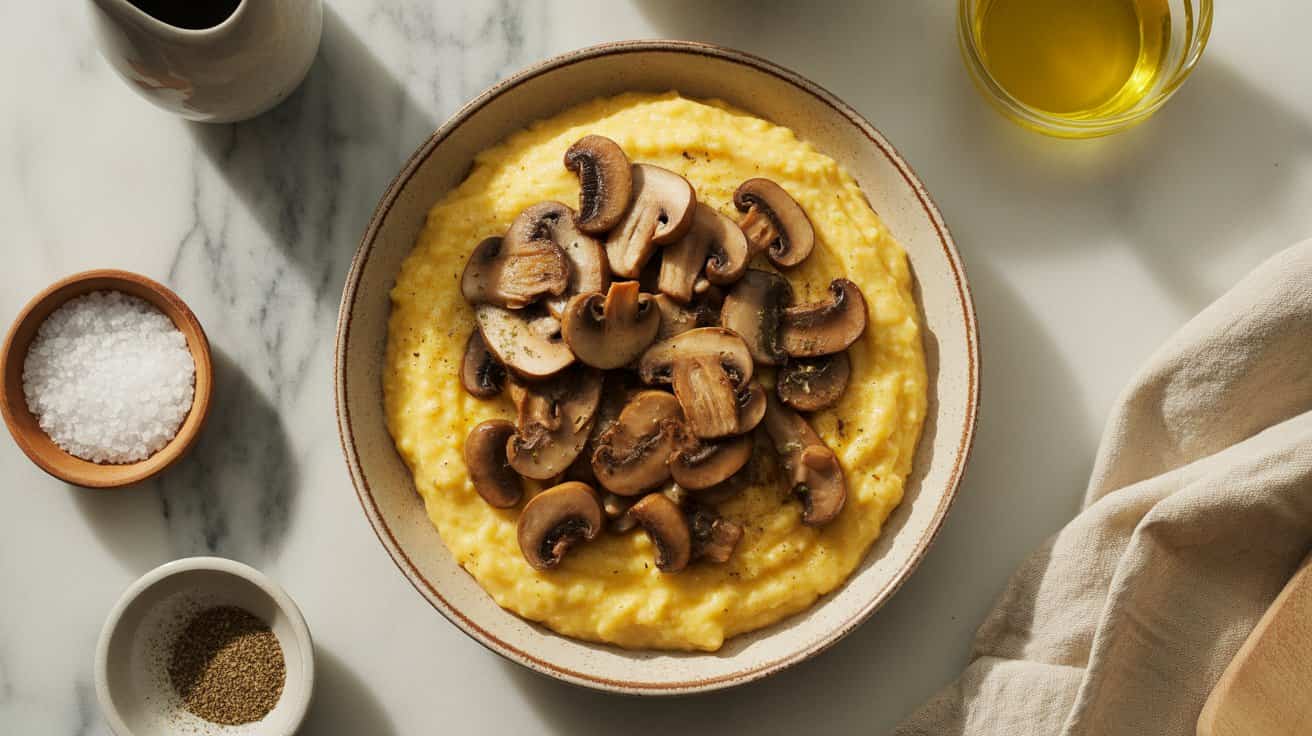
Keep the polenta loose enough to spread slowly. Very firm polenta leaves the sauce sitting around the edges of the plate.
3. Mashed Potatoes
Mashed potatoes absorb extra pan sauce and make a modest chicken portion feel substantial. They work best when the sauce is plentiful and includes stock as well as butter.

Use plain butter and milk rather than garlic, cheese, and sour cream together. Heavy seasoning covers the capers and lemon.
4. Steamed Rice
Long-grain rice keeps separate grains that catch a thin sauce without becoming heavy. It is the easiest gluten-free base and can be prepared well before the final skillet work.

Choose plain rice or a light herb pilaf. A salty packaged mix can make the full plate too intense.
5. Small Baguette Slices
One or two crisp baguette slices are useful when piccata is served without another starch. They wipe up the final sauce and add a dry crunch beside tender chicken.
Skip bread when pasta, rice, polenta, or potatoes are already present. It is a backup base, not an extra side for every plate.
For Loose Sauce
Use angel hair, rice, or mashed potatoes. Each gives flowing liquid a broad or absorbent surface.
For Glossy Sauce
Use polenta or a small bread portion. A thicker coating stays visible instead of disappearing into a large starch.
Six Green Vegetables Can Handle Lemon and Capers
Green vegetables should add bitterness, sweetness, or snap without another strong lemon dressing. Season them after tasting the pan sauce because capers and reduction may already supply enough salt.
6. Mustard Green Beans
Green beans are the best vegetable because their firm bite survives a little sauce.
A small amount of Dijon connects them to the capers while shallot adds sweetness. Blanch the beans early and finish them in a skillet during the last few minutes.
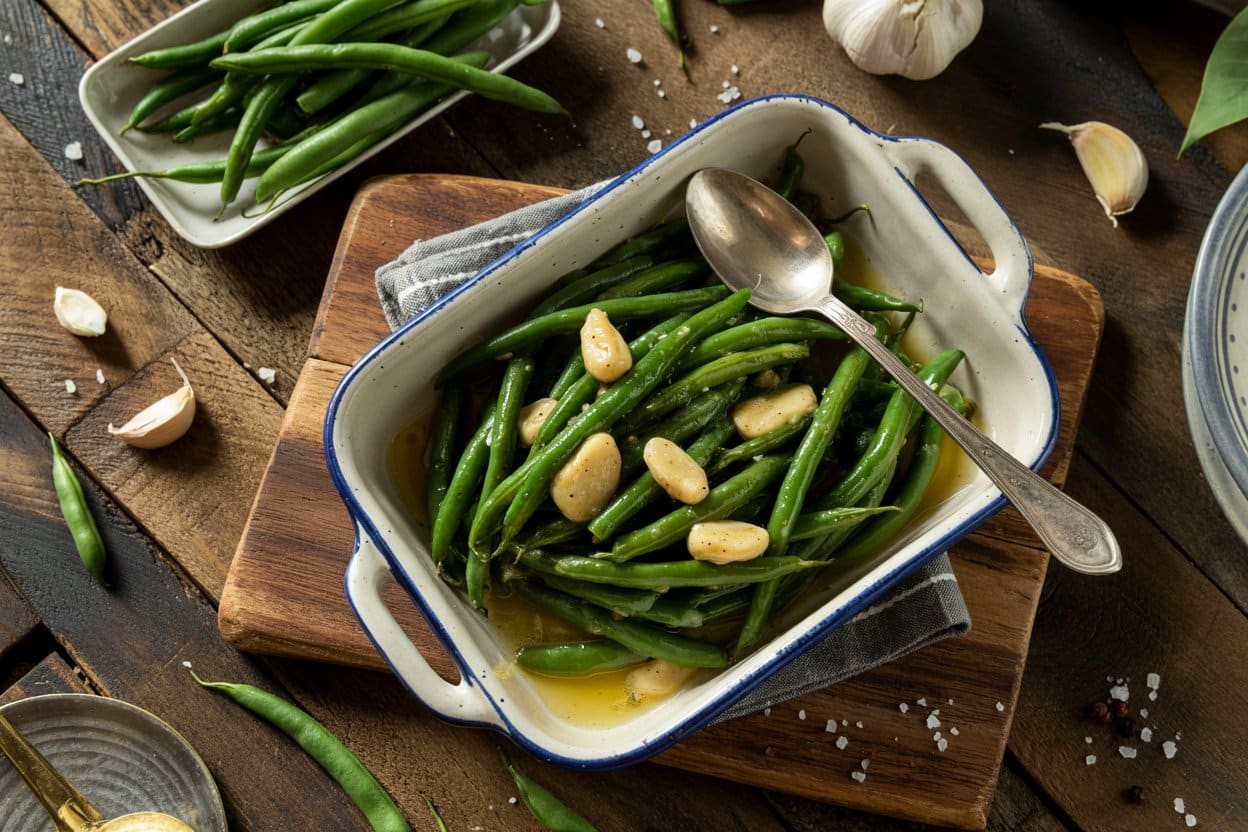
Leave out lemon until the piccata sauce has been tasted.
7. Roasted Asparagus
Asparagus brings a clean green flavor and roasted tips that suit spring piccata. Medium spears hold their shape better than very thin ones during the final oven minutes.

Finish with pepper and olive oil. The chicken already supplies the citrus.
8. Broccoli Rabe
Broccoli rabe gives a rich butter sauce a clear bitter edge.
Garlic and red pepper can support the greens, but both should stay light enough for the pan sauce to lead. Blanch before sautéing when the bunch is especially bitter.
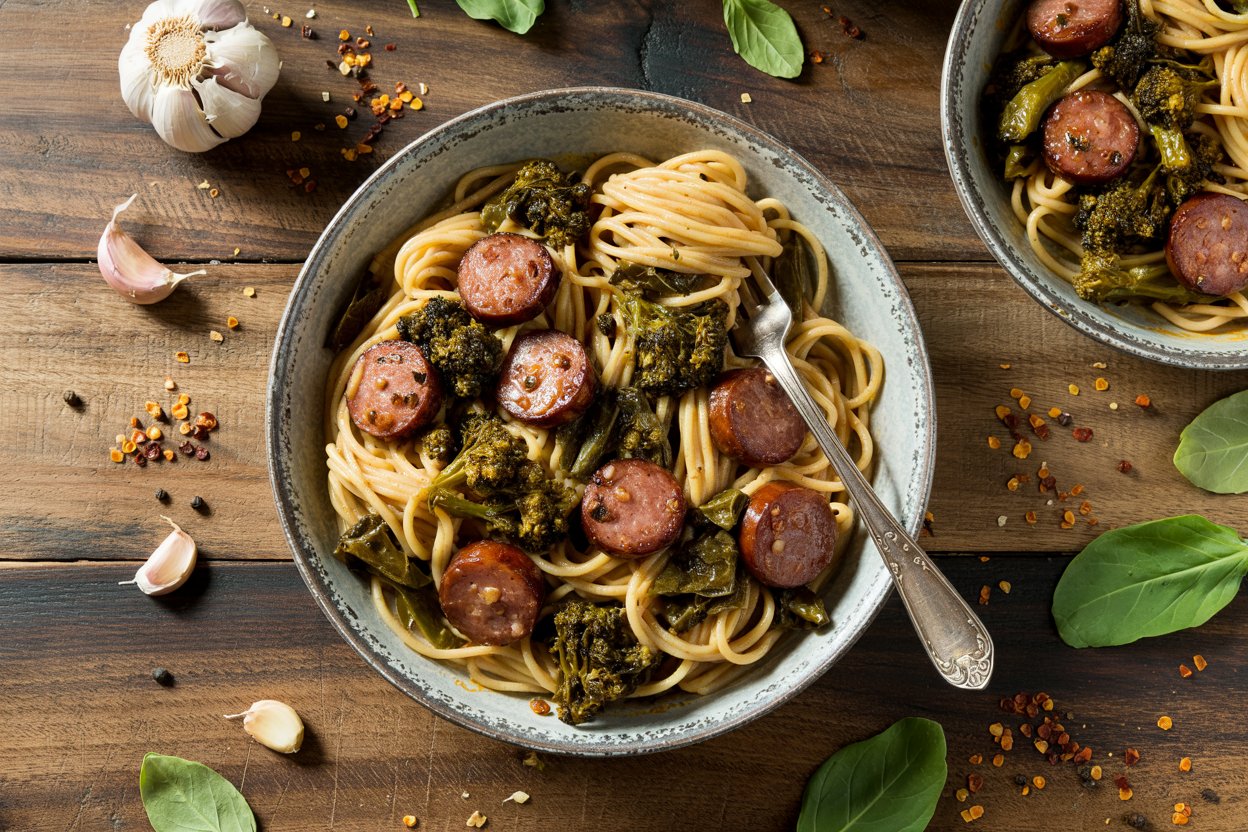
Squeeze out water so the greens do not dilute the sauce.
9. Garlic Spinach
Spinach wilts into a soft side that catches sauce around cutlets with only a light spoonful of liquid. Its dark color also gives the pale chicken and pasta stronger contrast.
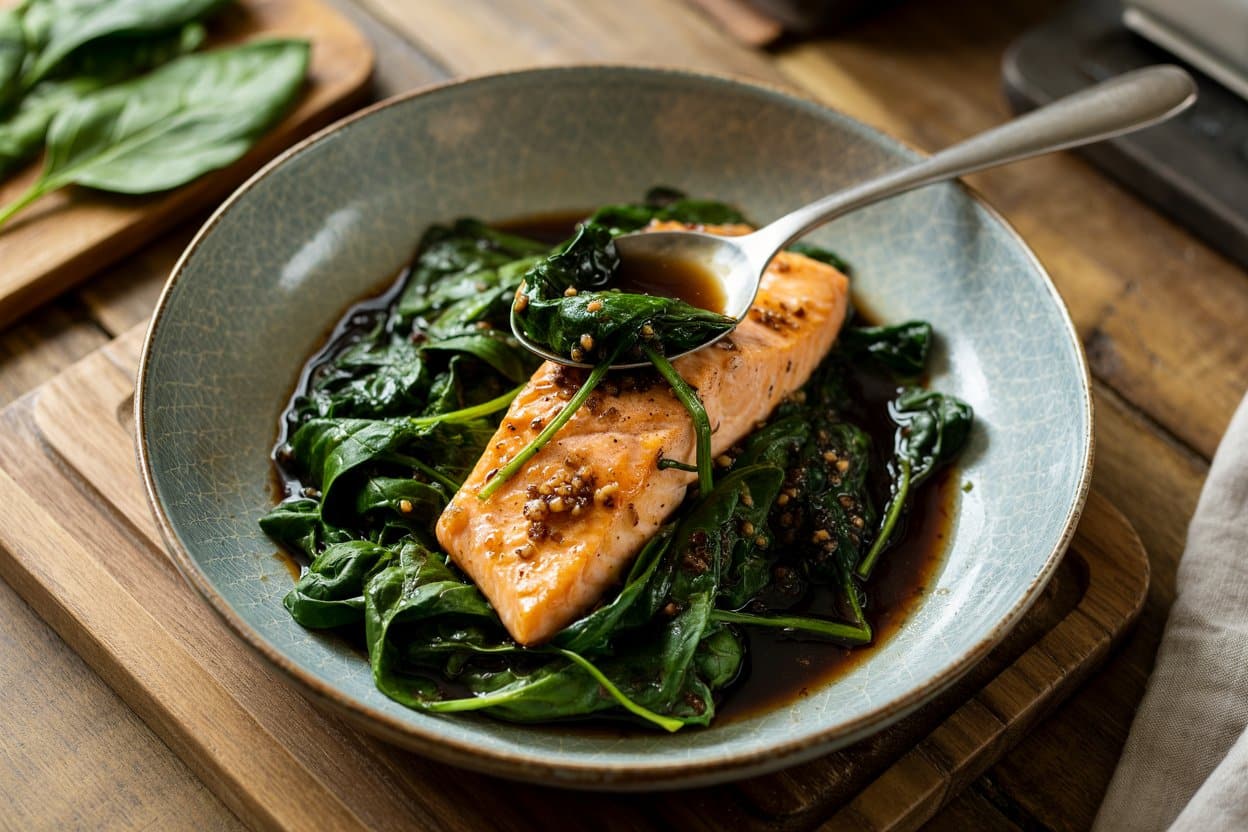
Cook just until collapsed, then drain excess liquid. Wet spinach turns the plate soupy.
10. Buttered Peas
Peas add gentle sweetness that softens sharp lemon and salty capers.
They are a practical family choice when bitter greens will not appeal to everyone. Warm them with a little butter and parsley, then stop.

Mint, cream, and cheese would make a simple side compete with the sauce.
11. Browned Zucchini
Zucchini fits a summer dinner when it is cut thick and browned hard. Caramelized edges add flavor, while the mild center does not challenge the piccata sauce.
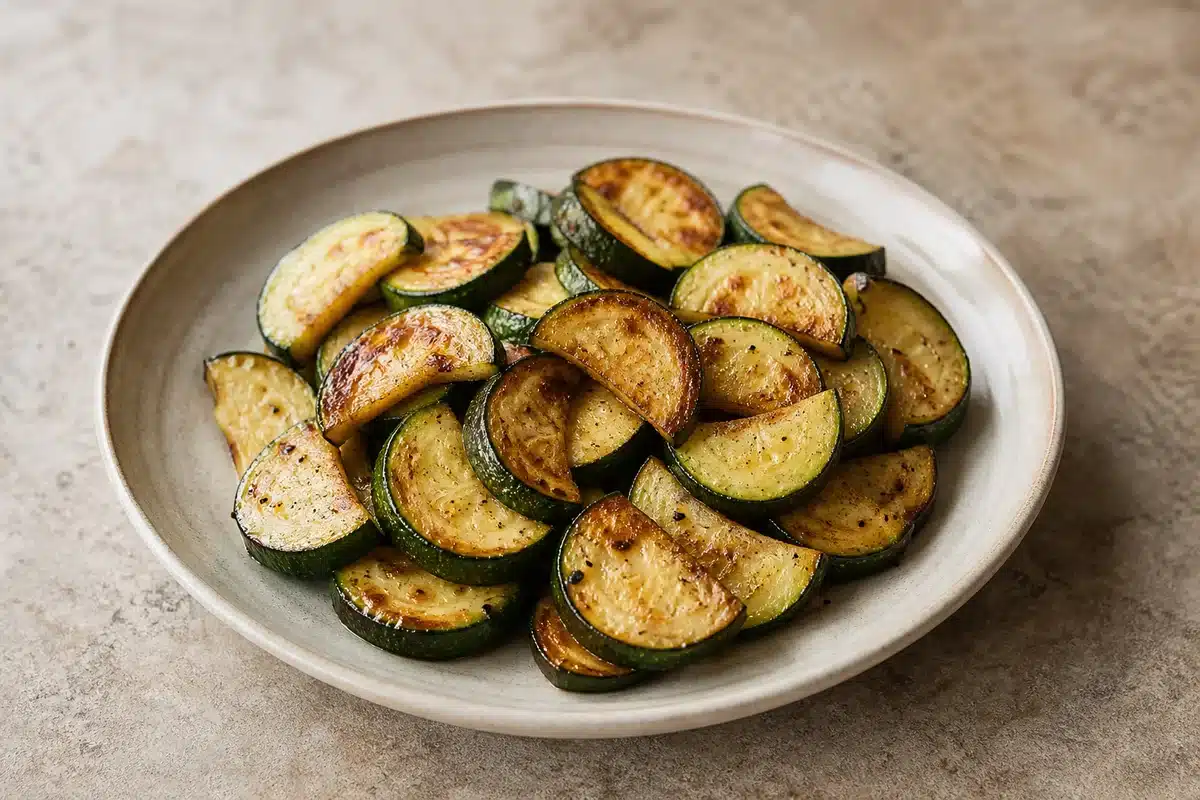
Cook in a wide skillet and salt after browning. Crowded zucchini releases water and loses the texture the plate needs.
- Blanch ahead: Green beans and broccoli rabe.
- Roast near service: Asparagus.
- Cook after the cutlets: Spinach, peas, and zucchini need only minutes.
Four Fresh Sides Lighten a Butter-Rich Plate
A cold or room-temperature side becomes most useful when the sauce contains a generous amount of butter. Keep the dressing mild because the chicken already brings lemon and capers.
12. Arugula Fennel Salad
Arugula adds peppery bitterness, and shaved fennel supplies a crisp, aromatic bite.
This is the strongest fresh side for a full pasta or polenta plate. Dress with olive oil and only a small amount of vinegar.
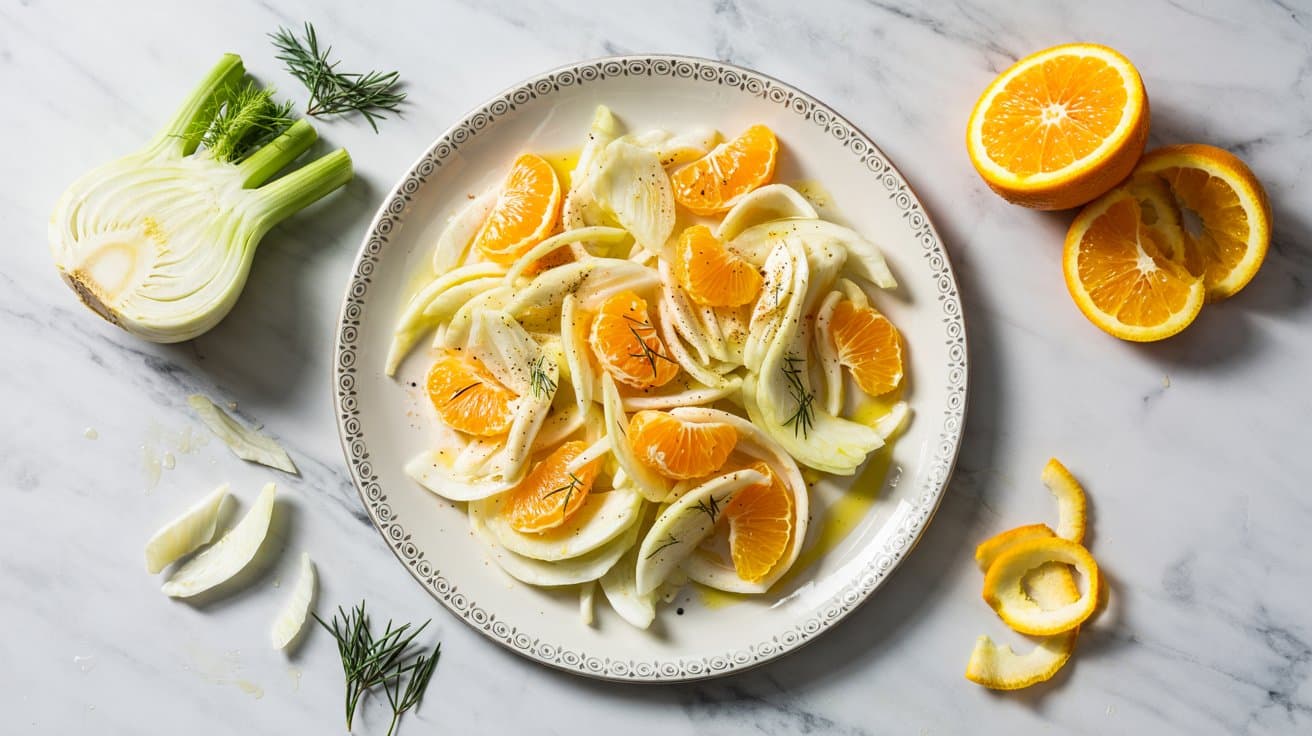
Strong lemon dressing can make the sauce taste harsh.
13. Cucumber Herb Salad
Cucumber adds cold moisture to warm cutlets and butter sauce. Parsley, dill, and chives fit the dish without introducing another strong flavor family.

Drain the cucumber and use a restrained dressing. A watery salad can thin the sauce around the chicken.
14. White Bean Parsley Salad
White beans add protein and body when each person receives one small cutlet. Parsley, celery, and a little vinegar keep the beans from feeling dense.
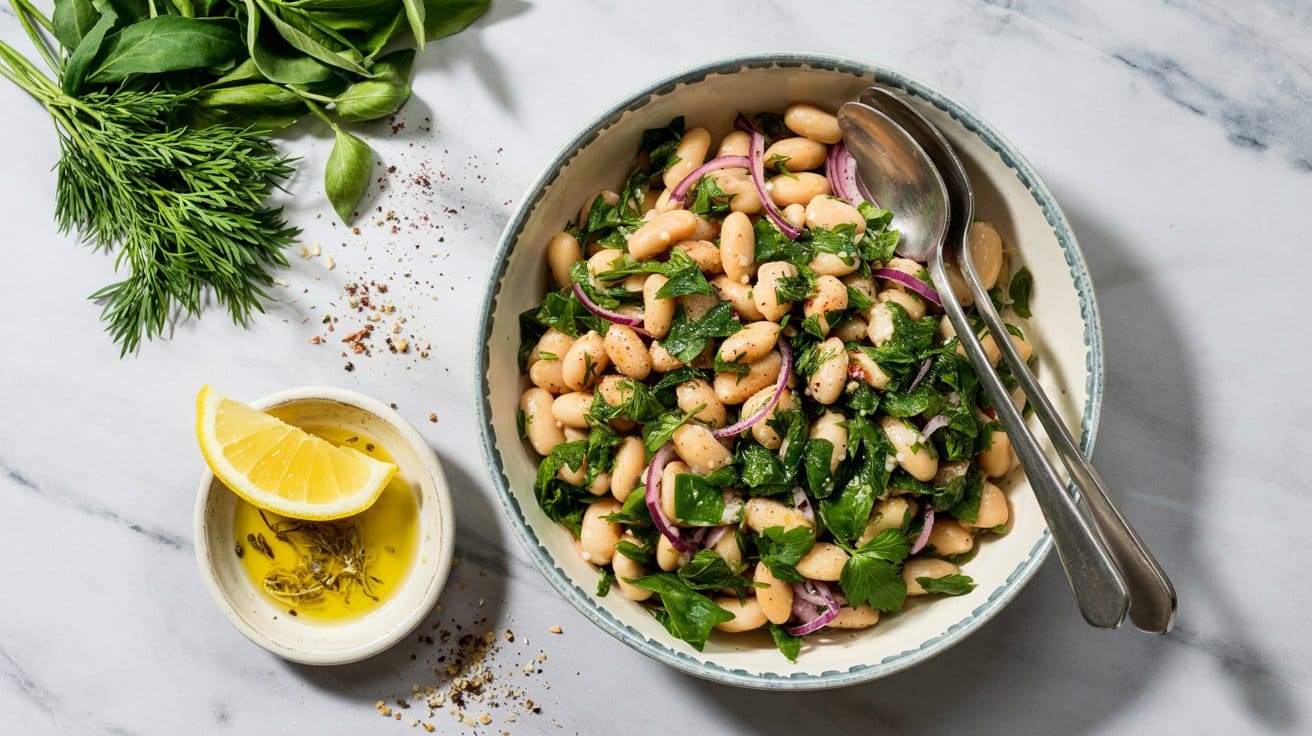
Use this instead of pasta or potatoes, not beside them. The beans already fill part of the starch role.
15. Roasted Radicchio
Radicchio develops sweet edges in the oven while keeping a bitter center. That contrast works with the richest butter sauce and gives a dinner-party plate strong color.

Roast wedges briefly and season with pepper.
Avoid balsamic glaze because its sweetness can pull attention from the piccata.
Finish the Sides Before the Cutlets Return to the Pan
The pan sauce should be the last active cooking job. Bases and vegetables can wait briefly, but thin chicken cutlets lose tenderness when they sit in bubbling sauce.
- Prepare the base first. Hold rice, potatoes, or polenta warm and covered.
- Blanch or roast the vegetable. Leave only a quick final sauté.
- Cook the cutlets to temperature. Move them to a warm plate.
- Finish the sauce. Reduce, taste, and add butter only when the sides are ready.
- Return the chicken briefly. Coat the cutlets, then plate at once.
For a dinner party, keep polenta loose over very low heat and blanch green beans in advance. That pairing asks for only two quick finishes after the chicken cooks.
Save These Chicken Piccata Sides
Keep all 15 sauce-catching, green, and fresh pairings ready for your next piccata dinner.
Sources
- USDA Food Safety and Inspection Service, Safe Minimum Internal Temperature Chart
- USDA Food Safety and Inspection Service, Food Thermometers
Frequently Asked Questions
What is the best side for chicken piccata?
Angel hair pasta is the best choice for a thin sauce, while creamy polenta works best with a thicker buttery sauce.
What vegetable goes with chicken piccata?
Green beans are the strongest match. Asparagus, broccoli rabe, spinach, peas, and zucchini also work.
Does rice go with chicken piccata?
Yes. Plain long-grain rice catches a thin pan sauce and creates an easy gluten-free plate.
What salad goes with chicken piccata?
Arugula and shaved fennel give the best contrast. Keep the dressing mild so it does not double the lemon in the sauce.
Can chicken piccata sides be made ahead?
Rice, potatoes, polenta, blanched beans, and salad ingredients can be prepared early. Finish the sauce and dress salad at service.

Carrie is a food writer and editor with more than 15 years of experience. She has worked for some of the biggest names in the food industry, including Bon Appétit, Food & Wine, and Martha Stewart Living.
As the Editor in Chief of EpicureDelight, Carrie oversees all of the content on the site. She also manages the team of contributing writers and editors, who help to create delicious recipes, helpful tips, and informative articles that you’ll find on the site.
A native of the Chicago area, Carrie is passionate about all things food. She loves trying new restaurants and experimenting with new recipes in her kitchen. She’s also a graduate of the Culinary Institute of America, so she knows a thing or two about food!