Sesame cucumber salad is the best side for teriyaki chicken because its cold crunch and rice-vinegar dressing cut through sweet, salty glaze. Add plain steamed rice for a complete meal, or choose bok choy, edamame, and quick pickles when the chicken is served in bowls or on skewers.
Keep the sides less sweet and less salty than the chicken. A second sticky sauce, fried appetizer, or heavily seasoned rice makes the glaze tiring before the plate is finished.

Pair teriyaki chicken with sesame cucumber salad and plain rice. Cucumber cuts sweetness, rice absorbs salty glaze, and bok choy or edamame adds a green or protein side without more sauce.
Is the Teriyaki Glaze Sweet, Salty, or Both?
When the Glaze Tastes Very Sweet
Use rice vinegar, cucumber, cabbage, daikon, or bitter greens. Avoid sweet potato glaze, pineapple syrup, and honey dressings.
When Soy Sauce Makes It Salty
Choose plain rice, unsalted edamame, or watery vegetables. Season each side only after tasting it beside the chicken.
When the Glaze Is Thick and Sticky
Firm vegetables and dry grains give the sauce somewhere to go. Soft noodles with another sauce can make every bite feel coated.
What Are the Best Sides for Teriyaki Chicken?
| Rank | Side | Best job | Prep |
|---|---|---|---|
| 1 | Sesame cucumber salad | Cut sweetness | 15 min |
| 2 | Steamed jasmine rice | Catch glaze | 25 min |
| 3 | Garlic bok choy | Add bitterness | 12 min |
| 4 | Edamame | Add protein | 8 min |
| 5 | Daikon carrot pickles | Sharp crunch | 25 min |
1. Sesame Cucumber Salad
Cucumber gives juicy crunch and a cold temperature against hot glazed chicken. Rice vinegar provides enough acid, while sesame seeds connect it to the sauce.
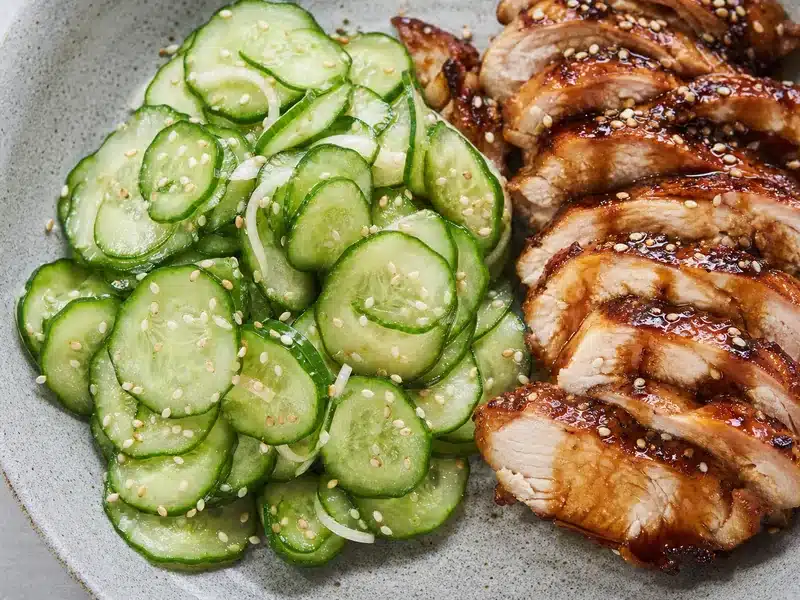
Salt thick cucumber slices for ten minutes, then drain and dry them. Dress the salad last so water does not weaken the vinegar.
2. Steamed Jasmine Rice
Plain rice absorbs extra glaze and softens salty soy flavor.
Cook it without stock or added salt and plan about half a cup per person. Rinse the rice before cooking and rest it under the lid when done.

Separate grains catch small amounts of glaze without becoming a sticky mass.
3. Garlic Bok Choy
Bok choy has crisp stems, tender leaves, and mild bitterness. Sear it quickly and use little soy sauce because the chicken already supplies plenty.

Cook the stems before adding the leaves so both finish at the same time. A splash of water creates enough steam without another coating of sauce.
4. Shelled Edamame
Edamame adds firm texture and plant protein to a smaller chicken portion. Steam it and finish with lime rather than salt.

Serve the beans warm or at room temperature in a separate bowl. They are especially useful when a rice bowl contains only a small amount of chicken.
5. Daikon Carrot Pickles
Quick pickles bring sharp crunch and bright color. A 20-minute soak is enough for thin-cut vegetables.
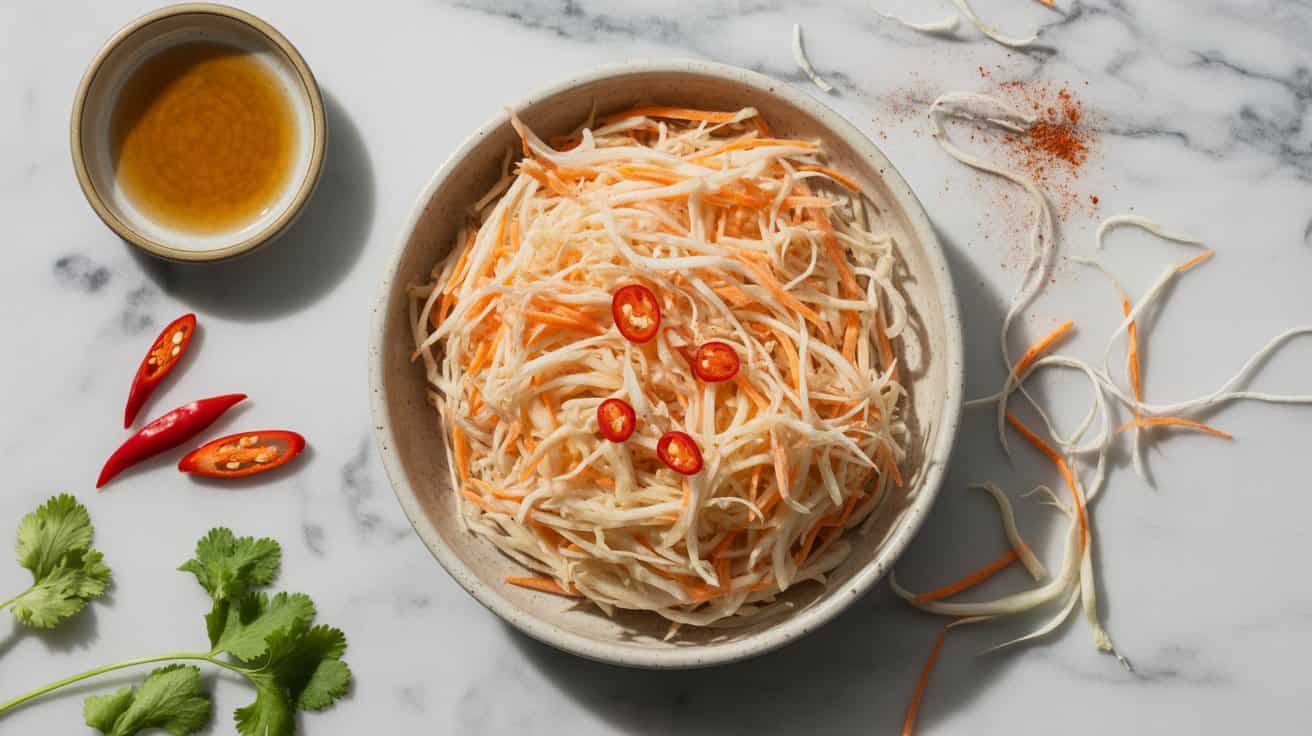
Drain them before plating so their brine does not thin the glaze.
Keep sugar low and let rice vinegar provide the main flavor.
6. Brown Rice
Brown rice gives a chewy grain and nutty flavor that works in meal-prep bowls.
It stays firmer than white rice after reheating.
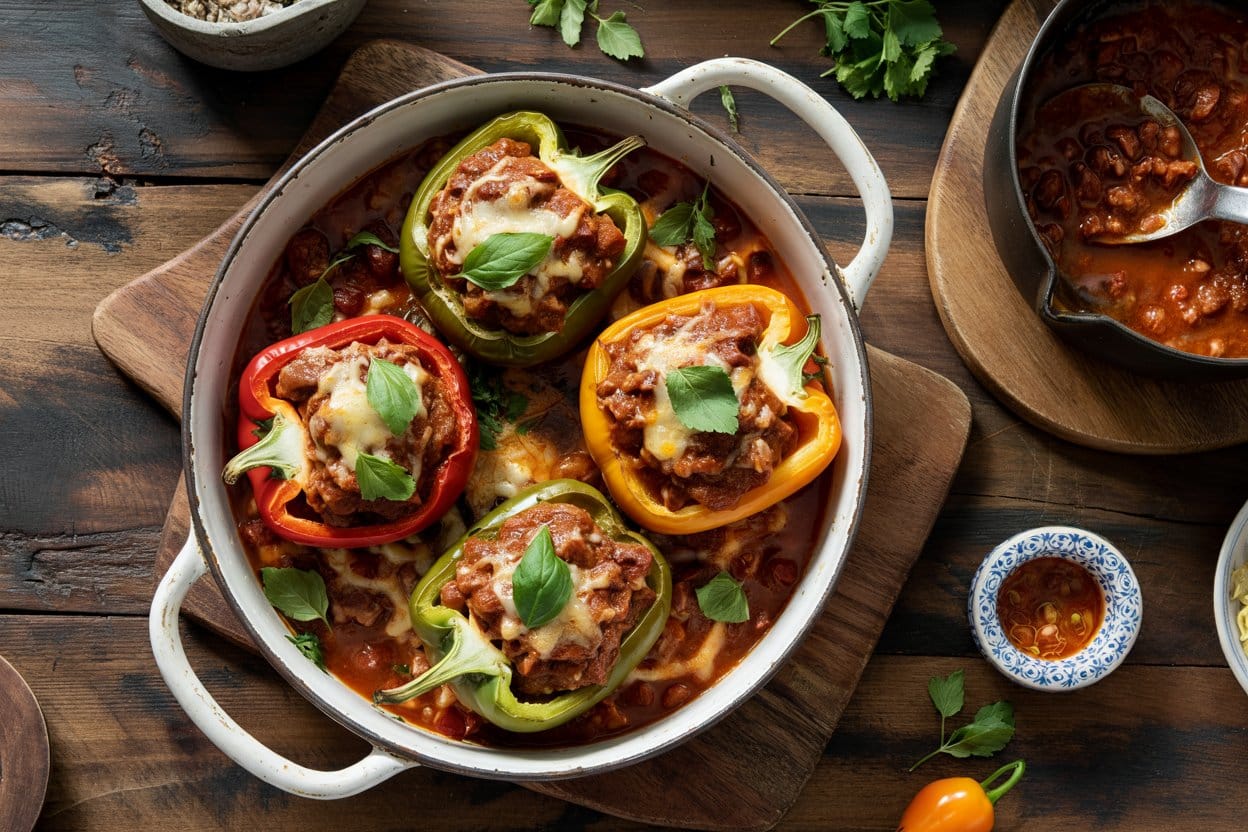
Start it before preparing the chicken because it takes longer to soften.
Cook without stock or salt so it can absorb the glaze.
7. Sesame Green Beans
Green beans add snap and can be served warm or at room temperature.
Toasted sesame seeds provide flavor without another wet sauce. Blanch them until bright, dry them well, and add sesame seeds just before serving.

This preserves their clean surface and firm bite.
8. Cabbage Lime Slaw
Cabbage slaw suits teriyaki chicken sandwiches or skewers. Use lime and vinegar with no sweet mayonnaise dressing.
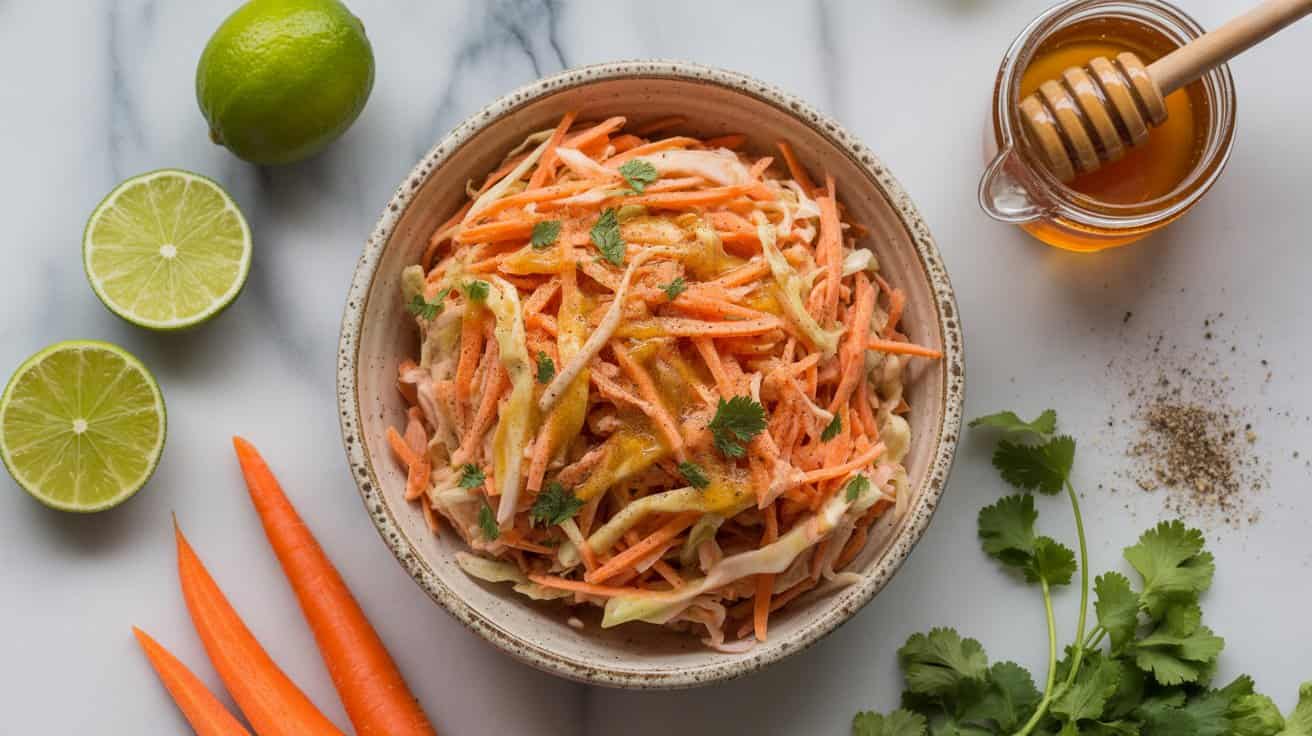
Salt the cabbage lightly and drain any released water before dressing it. The dry slaw stays crisp beside sticky chicken.
9. Miso Broth
A small bowl of light miso broth adds warmth to a rice-free meal.
Keep the broth mild because both miso and teriyaki contain salt. Stir miso in after taking the broth off high heat.
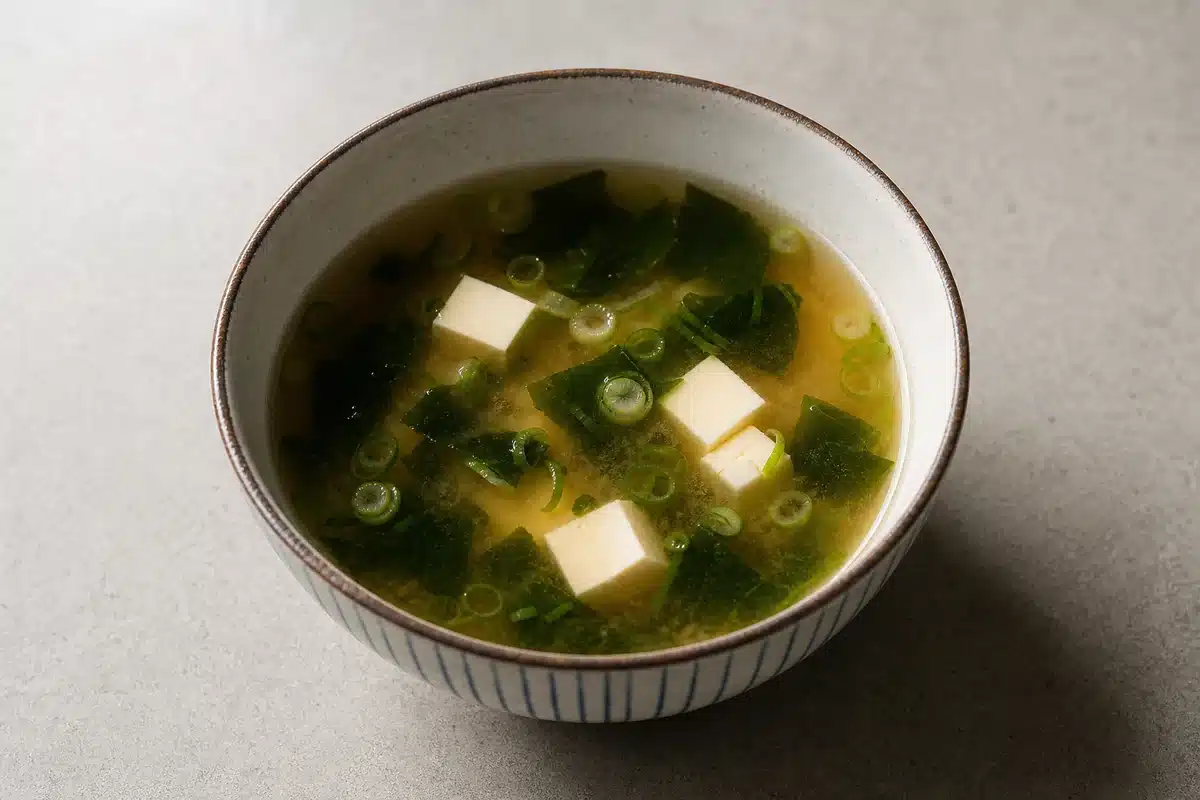
Add scallions or a few greens, but avoid tofu when it already appears as another side.
10. Roasted Broccoli
Broccoli brings charred tips and a firm bite that holds up under glaze. Lemon helps it stay distinct from the chicken.
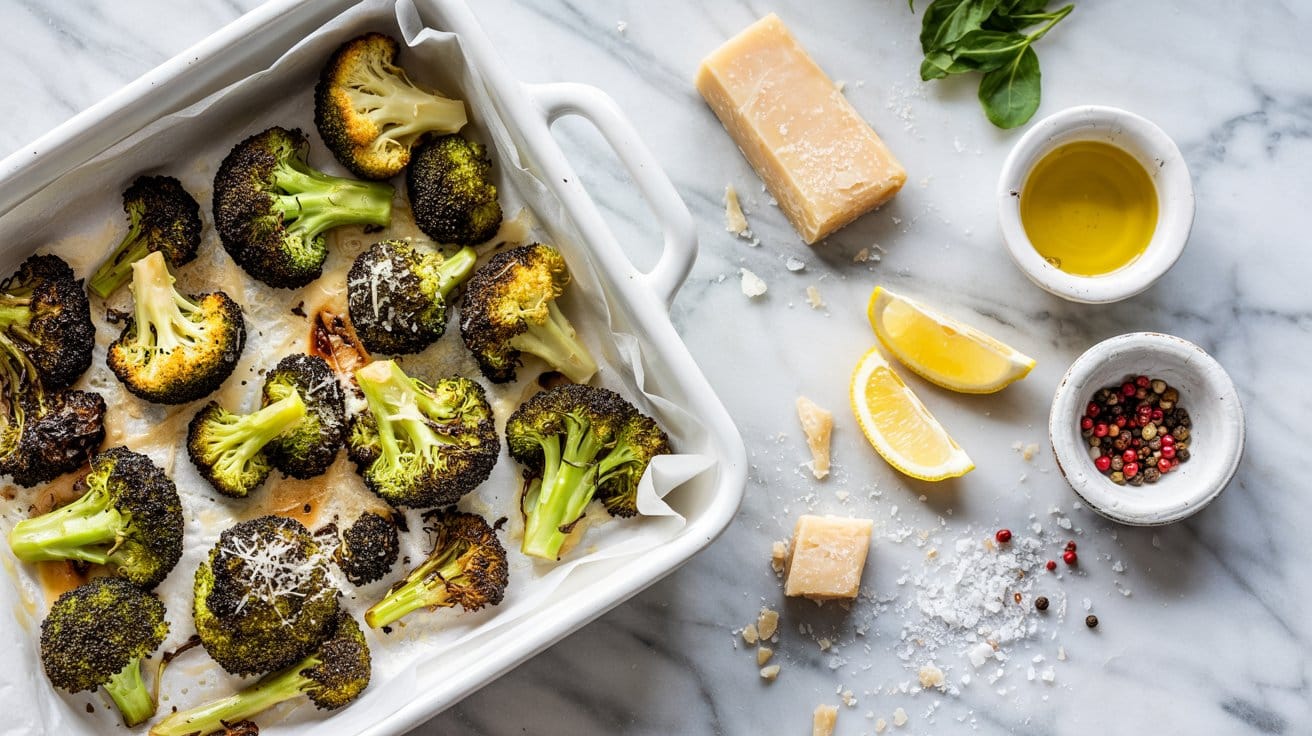
Roast the florets in one layer and keep the stems attached for texture.
Do not toss them with teriyaki sauce before they reach the plate.
11. Soba Noodles
Chilled soba offers a nutty noodle base for sliced teriyaki chicken.
Dress it lightly with vinegar and scallions instead of more teriyaki sauce. Rinse cooked soba under cold water until the loose starch is gone.
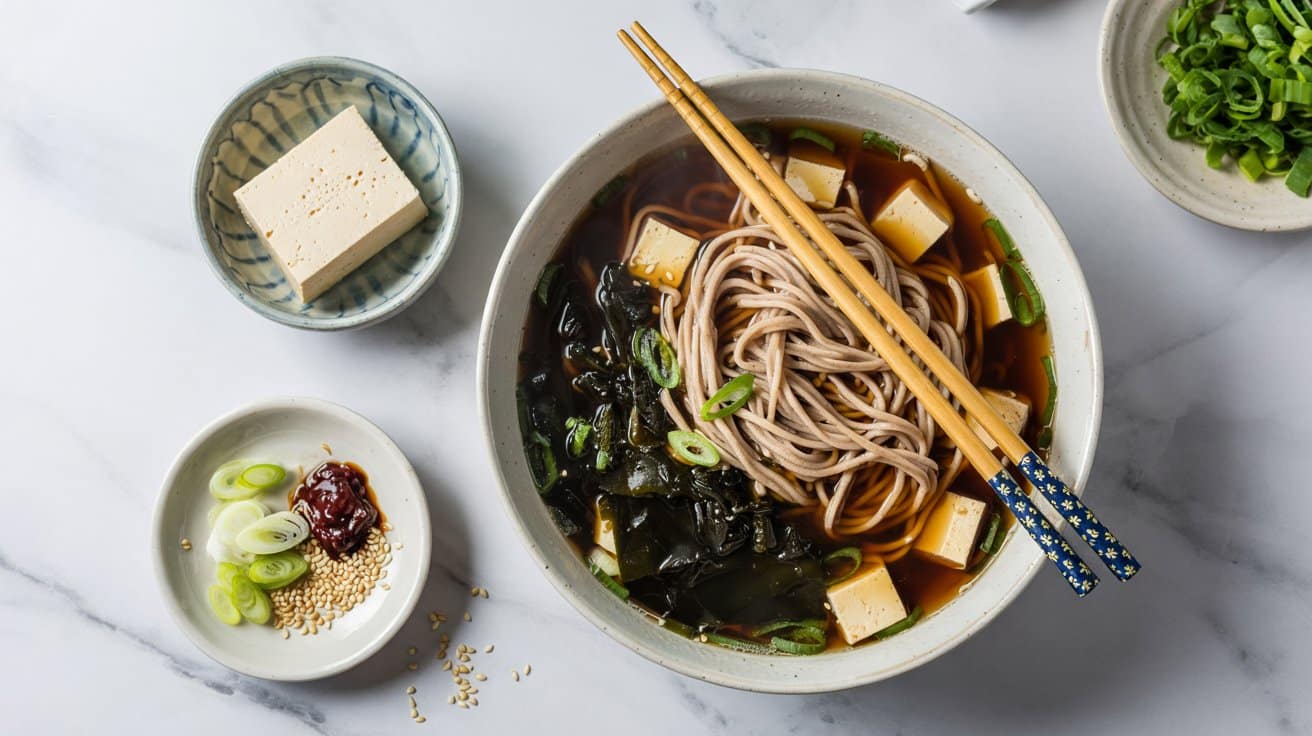
Drain it well so the light dressing does not become watery.
12. Pineapple Cucumber Salad
Fresh pineapple can echo the glaze when paired with plenty of cucumber, lime, and chile. Keep the fruit portion smaller than the vegetables.
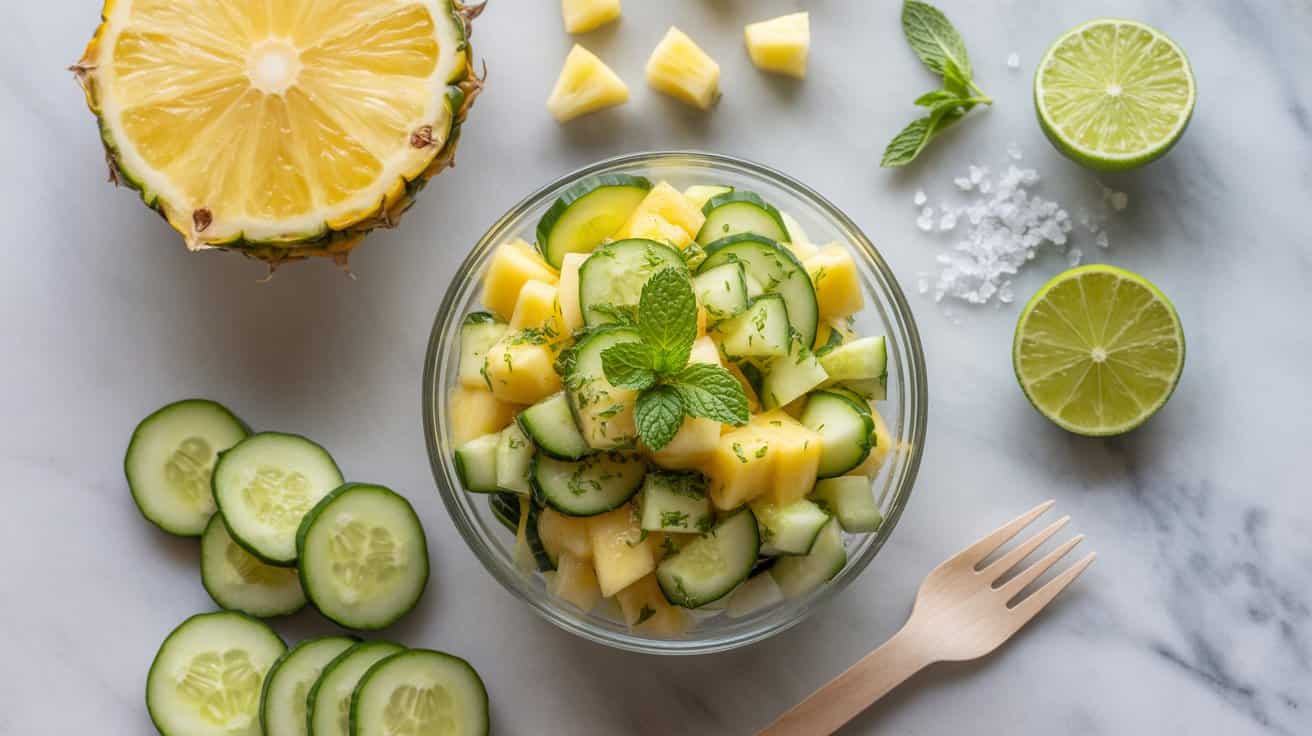
Use this side only when pineapple is absent from the glaze. Drain the fruit well so its juice does not make the plate sweeter.
13. Steamed Snap Peas
Snap peas add green sweetness and a crisp pod.
Steam only until bright, then finish with rice vinegar. Trim the strings before cooking and spread the peas out after steaming.

Trapped heat can soften them before dinner begins.
14. Crispy Tofu
Tofu is useful when a group needs a meatless protein beside rice and vegetables.
Bake it plain and keep teriyaki sauce separate.

Press out excess water and coat the cubes lightly with starch.
Serve the tofu on a dry platter so meatless diners can choose their own sauce.
Are You Making Bowls, Skewers, or a Plated Dinner?
The chicken cut affects the sides as well. Glazed thighs are richer and suit cucumber or cabbage, while lean breast meat benefits from rice or noodles that catch extra sauce.
Grilled teriyaki chicken has charred edges that pair well with steamed vegetables. Pan-cooked chicken often has more loose glaze and needs a dry grain.
Do not season rice with teriyaki sauce before serving. Plain rice lets each diner control sweetness by mixing in chicken and glaze a little at a time.
Pickles should taste tart first and sweet second. A sugary brine repeats the glaze and removes the reason for adding them.
Sesame oil is strong, so use only a few drops in cucumber or green beans. Too much makes every side share the same roasted aroma.
When pineapple appears in the chicken glaze, skip the fruit salad and choose bok choy or daikon. Repeating pineapple makes the whole meal sweeter.
Miso broth works best with lightly glazed chicken because both elements carry fermented salt. Keep the serving to a small cup.
Soba noodles may be chilled several hours ahead, but rinse them well and toss with little oil. Add vinegar and scallions close to serving.
For meal-prep bowls, store cucumber and pickles in a separate container. Their liquid can soak rice and their crunch disappears after reheating.
For children, plain rice, steamed snap peas, and lightly glazed chicken create an adjustable plate. Adults can add pickles, chile, and extra sauce.
For a buffet, keep extra glaze next to the chicken instead of beside the rice. This prevents guests from turning every side into another teriyaki-flavored dish.
For six adults, plan three cups cooked rice and about one and a half pounds of vegetables across one fresh and one cooked side.
Put cold sides in shallow chilled bowls and replace them as needed. Cucumber loses its main advantage when it sits warm beside the chicken.
Use a small brush to glaze skewers instead of pouring sauce over the platter. The vegetables remain distinct and the serving tray stays easier to handle.
Teriyaki Bowls
Use one grain, one crisp vegetable, and a measured chicken portion. Rice plus noodles is unnecessary.
Chicken Skewers
Serve cucumber, pickles, edamame, or small rice cups that guests can eat without cutting.
Plated Chicken
Add plain rice and one cooked green vegetable. Keep extra glaze in a small bowl rather than pouring it over every side.
Plan four ounces chicken, half a cup rice, and three to four ounces vegetables per adult. Reduce rice when noodles or a large broth course is included.
Keep cold cucumber and pickles separate from hot rice until service. Their cool temperature is part of the contrast.
Slice the chicken after a short rest and arrange it over only part of the rice. Exposed rice remains plain for anyone who wants less glaze.
Serve cooked greens on the opposite side of the plate. Their color stays clear and their juices do not thin the teriyaki coating.
Pass extra glaze only after everyone has tasted the complete plate. The rice and vegetables should remain useful breaks from the chicken.
Save These Teriyaki Chicken Sides
Keep the ranking for bowls, skewers, or dinner plates.
Plain jasmine or short-grain white rice works best because it absorbs glaze without adding more salt.
Sesame cucumber is the best fresh choice, while bok choy is the best cooked vegetable.
Yes. Use lightly dressed soba or plain rice noodles and skip rice on the same plate.
Add rice vinegar, cucumber, cabbage, daikon, or bitter greens and avoid sweet dressings on the sides.
Rice, pickles, and cucumber ingredients can be prepared ahead. Cook bok choy and snap peas just before eating.

Carrie is a food writer and editor with more than 15 years of experience. She has worked for some of the biggest names in the food industry, including Bon Appétit, Food & Wine, and Martha Stewart Living.
As the Editor in Chief of EpicureDelight, Carrie oversees all of the content on the site. She also manages the team of contributing writers and editors, who help to create delicious recipes, helpful tips, and informative articles that you’ll find on the site.
A native of the Chicago area, Carrie is passionate about all things food. She loves trying new restaurants and experimenting with new recipes in her kitchen. She’s also a graduate of the Culinary Institute of America, so she knows a thing or two about food!